
Loading, please wait...
LOT 0338
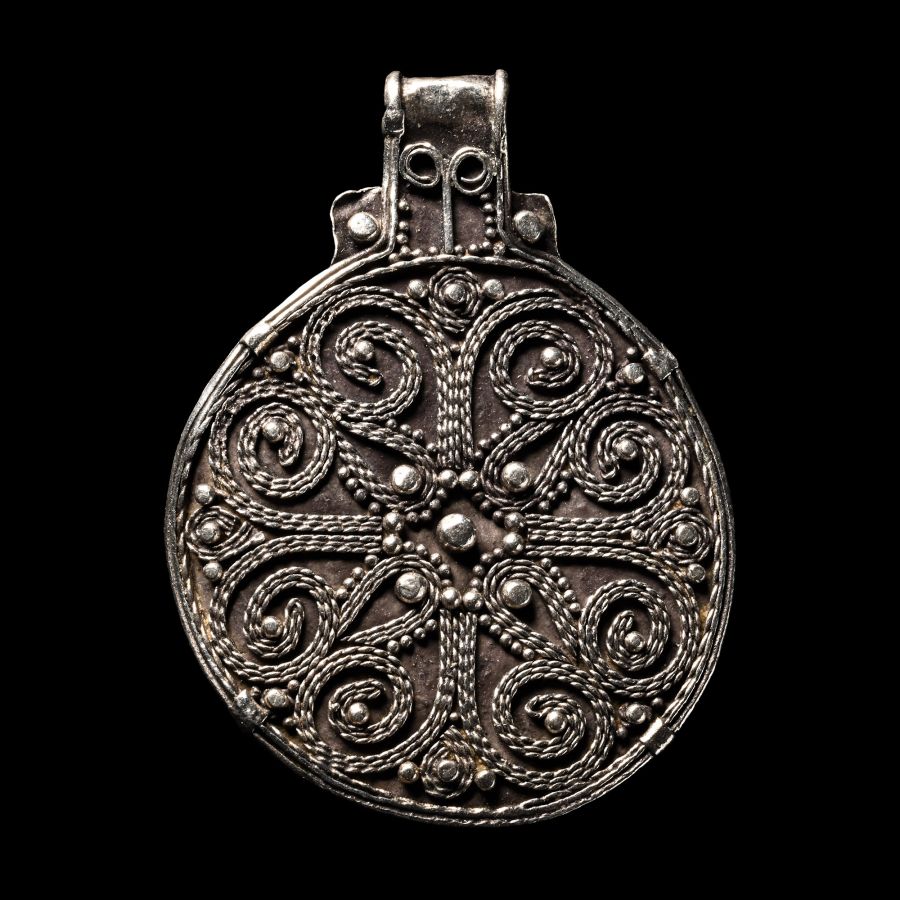
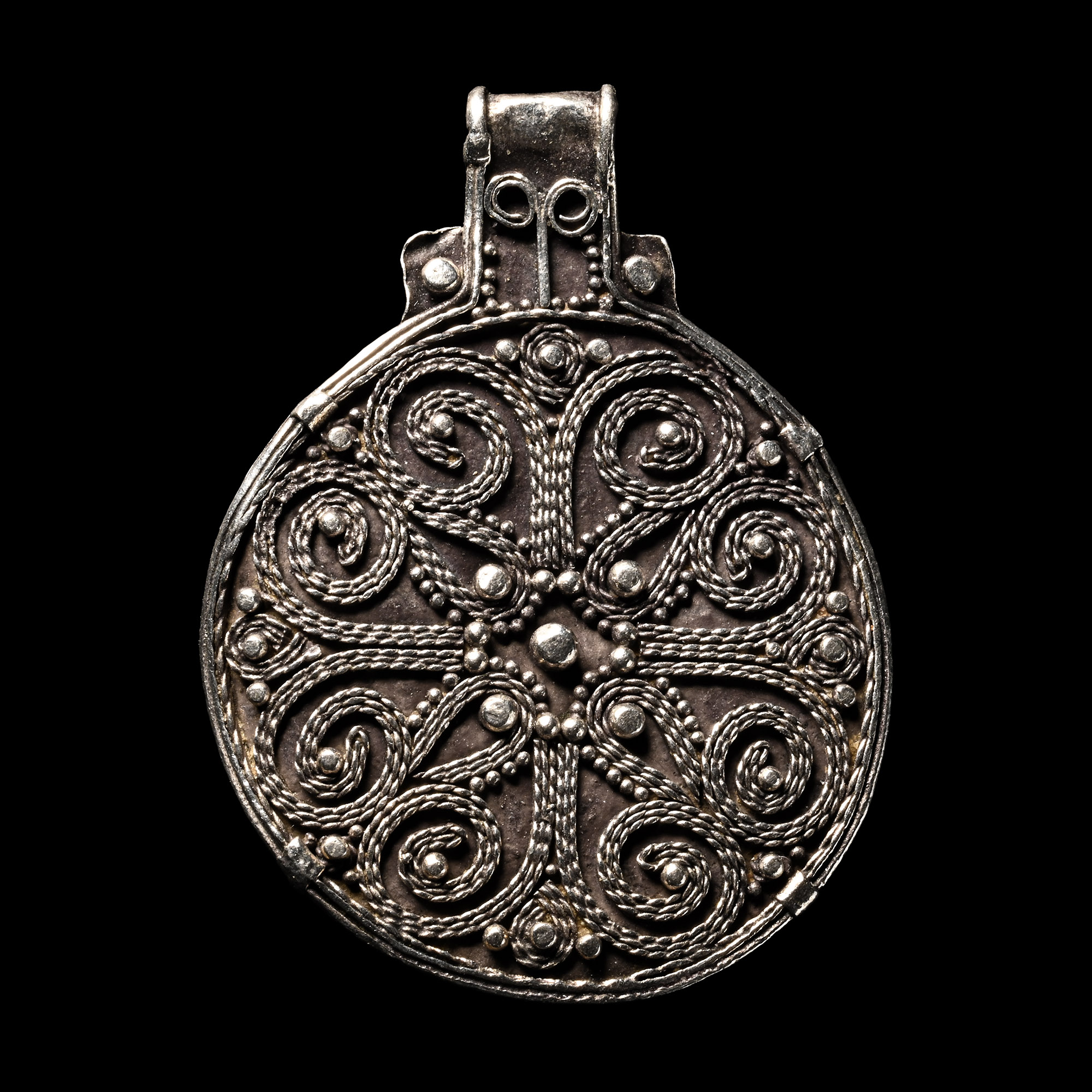
Viking Age Silver Filigree Pendant with Scroll Cross
CIRCA 9TH-11TH CENTURY A.D.
1 5/8 in. (4.1 grams, 40 mm).
Discoid with applied filigree looped bands, granules and other detailing; cleaned and polished. [No Reserve]
ProvenancePrivate collection formed in Europe in the 1980s.
Westminster collection, central London, UK.
Cf. Franceschi, G., Jorn, A. & Magnus, B., Mennesker, Guder og Masker i Nordisk Jernalderkunst, vol.1, Borgen, 2005, pl.226, for type.
CONDITIONTimeLine Auctions follows a vetting process to ensure the authenticity and legality of all items, reinforcing our commitment to integrity and responsible trading. Each antiquity, antique, and coin lot undergoes thorough examination by a vetting committee of at least ten external specialists, professional trade association members, scientists, and archaeologists: Our Vetting Process
AUCTIONS:
TimeLine is a leading auction house specialising in antiquities, ancient art, collectables, natural history, coins, medals, and books. Our auctions offer museums, collectors, historians, and enthusiasts the opportunity to acquire unique and historically significant pieces.
-
.jpg)
Viking Age Silver Filigree Teardrop Pendant
Circa 9th-11th century A.D.Sold for (Inc. bp): £2,080
Hollow-formed with integral suspension lug above, applied granulation and filigree forming a stylised face; cleaned and polished. 5.34 grams, 51 mm
Private collection formed in Europe in the 1980s. Westminster collection, central London, UK. -
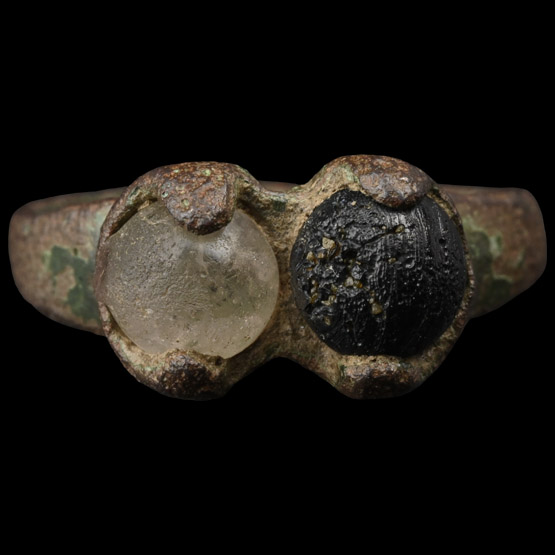
Viking Age Bronze Ring with Cabochons
9th-12th century A.D.Sold for (Inc. bp): £65
Narrow hoop with bezel of two claw settings each with an inset cabochon stone. 2.73 grams, 22.43 mm overall, 15.28 mm internal diameter (approximate size British H 1/2, USA 4, Europe 6.81, Japan 6)
Ex German art market, 2000s. Acquired from an EU collector living in London. From the collection of a Surrey, UK, gentleman. -
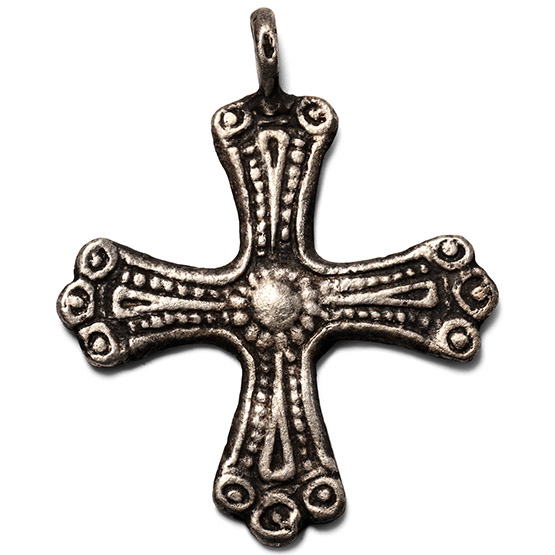
Viking Age Silver Cross Pendant
10th-11th century A.D.Sold for (Inc. bp): £195
Cross pommee with three raised lobes to each finial, integral suspension ring. 4.79 grams, 39 mm
Acquired from a West Sussex collection formed in the 1970s-1990s. Ex Buckinghamshire, UK, collection.
