
Loading, please wait...
LOT 1200
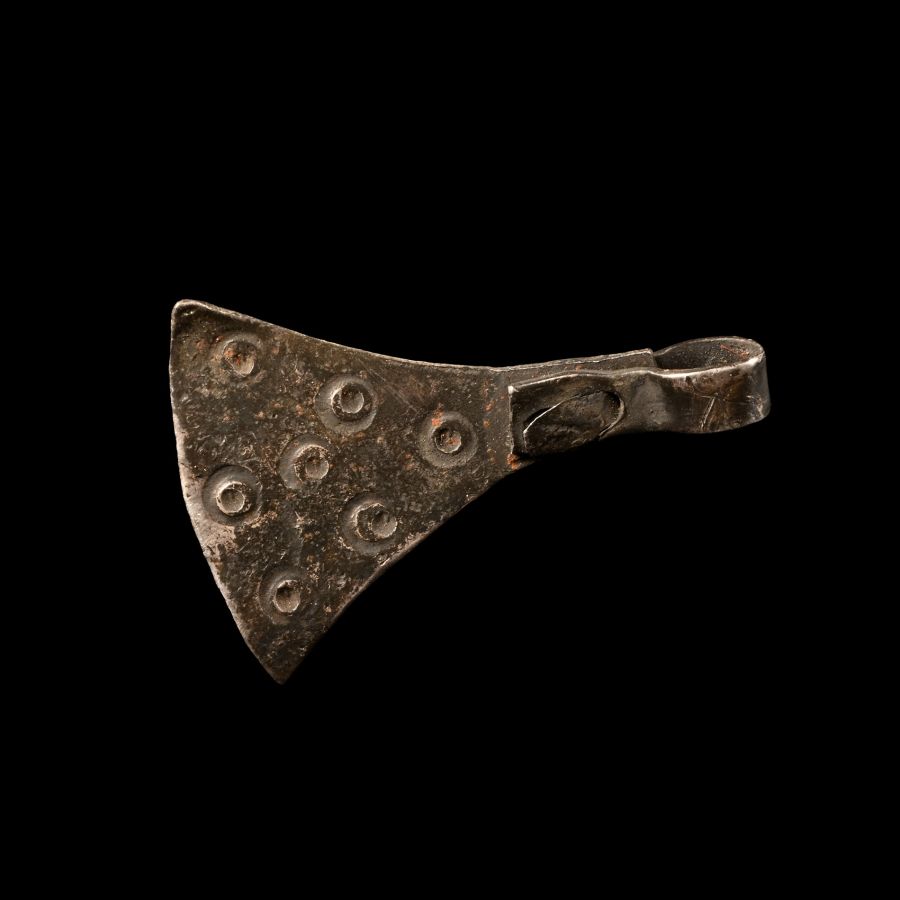
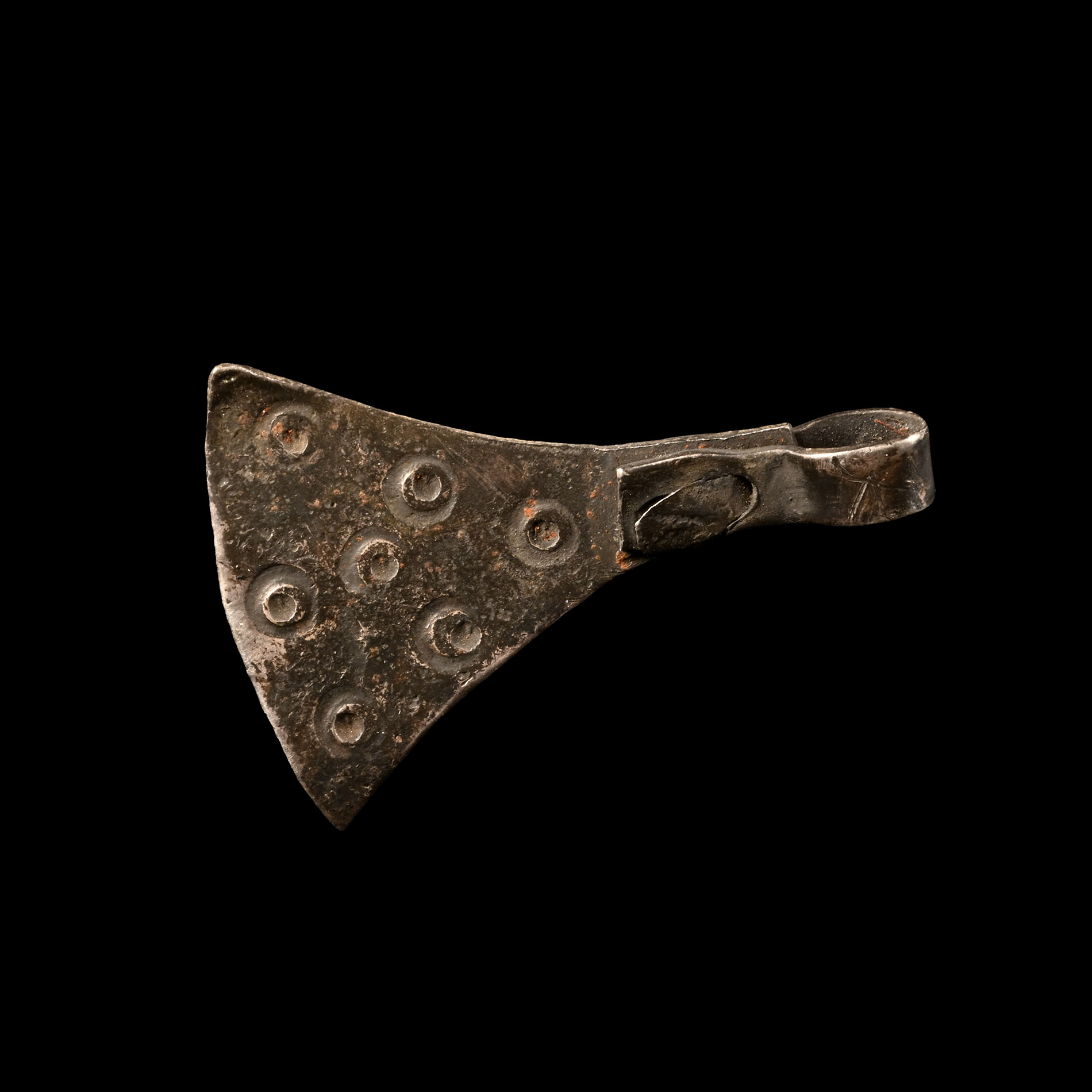
Viking Age Silver Axehead Pendant
CIRCA 9TH-11TH CENTURY A.D.
1 1/4 in. (2.71 grams, 32 mm).
With ring-and-dot detail to one face, rivetted loop to the apex. [No Reserve]
ProvenanceAcquired in the 1980s.
Ex property of a Worcestershire gentleman.
Acquired on the UK art market in 2014.
Property of a Kent lady collector.
TimeLine Auctions follows a vetting process to ensure the authenticity and legality of all items, reinforcing our commitment to integrity and responsible trading. Each antiquity, antique, and coin lot undergoes thorough examination by a vetting committee of at least ten external specialists, professional trade association members, scientists, and archaeologists: Our Vetting Process
AUCTIONS:
TimeLine is a leading auction house specialising in antiquities, ancient art, collectables, natural history, coins, medals, and books. Our auctions offer museums, collectors, historians, and enthusiasts the opportunity to acquire unique and historically significant pieces.
-
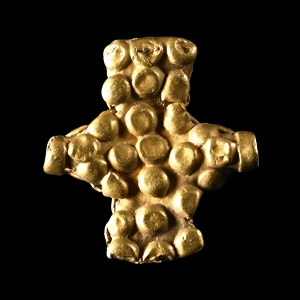
Viking Age Gold Axe-Shaped Bead
Circa 9th-11th century A.D. or earlierSold for (Inc. bp): £59
Sheet-gold bead with applied granules to both flat faces. 0.34 grams, 10.34 mm
From a late Japanese specialist collector, 1970-2000s. -
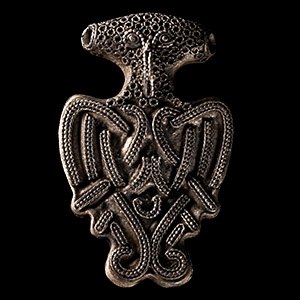
Viking Age Silver Facing Bird Pendant
Circa 9th-12th century A.D.Sold for (Inc. bp): £4,160
Zoomorphic, in the form of a bird with wing and feather detailing highlighted in filigree, the suspension tube forming the bird's head, curved beak below, beaded filigree collars and coiled wire to each arm of the suspension loop. 5.46 grams, 43 mm
Private collection formed in Europe in the 1980s. Westminster collection, central London, UK. -
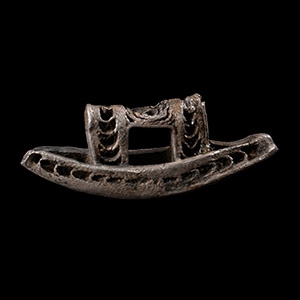
Viking Age Silver Boat-Shaped Pendant
9th-11th century A.D.Sold for (Inc. bp): £65
Composed of a shallow crescentic body and openwork filigree loop. 1.47 grams, 24 mm
From the collection of a North American gentleman, formed in the 1990s.
