
Loading, please wait...
LOT 1232
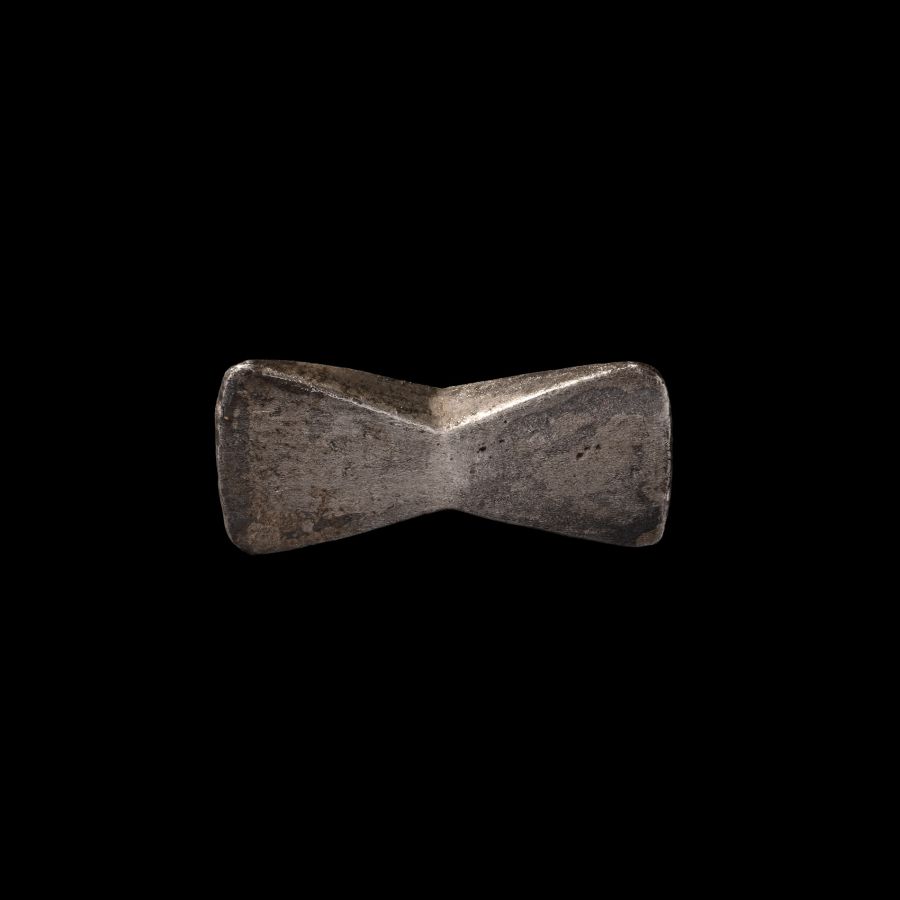
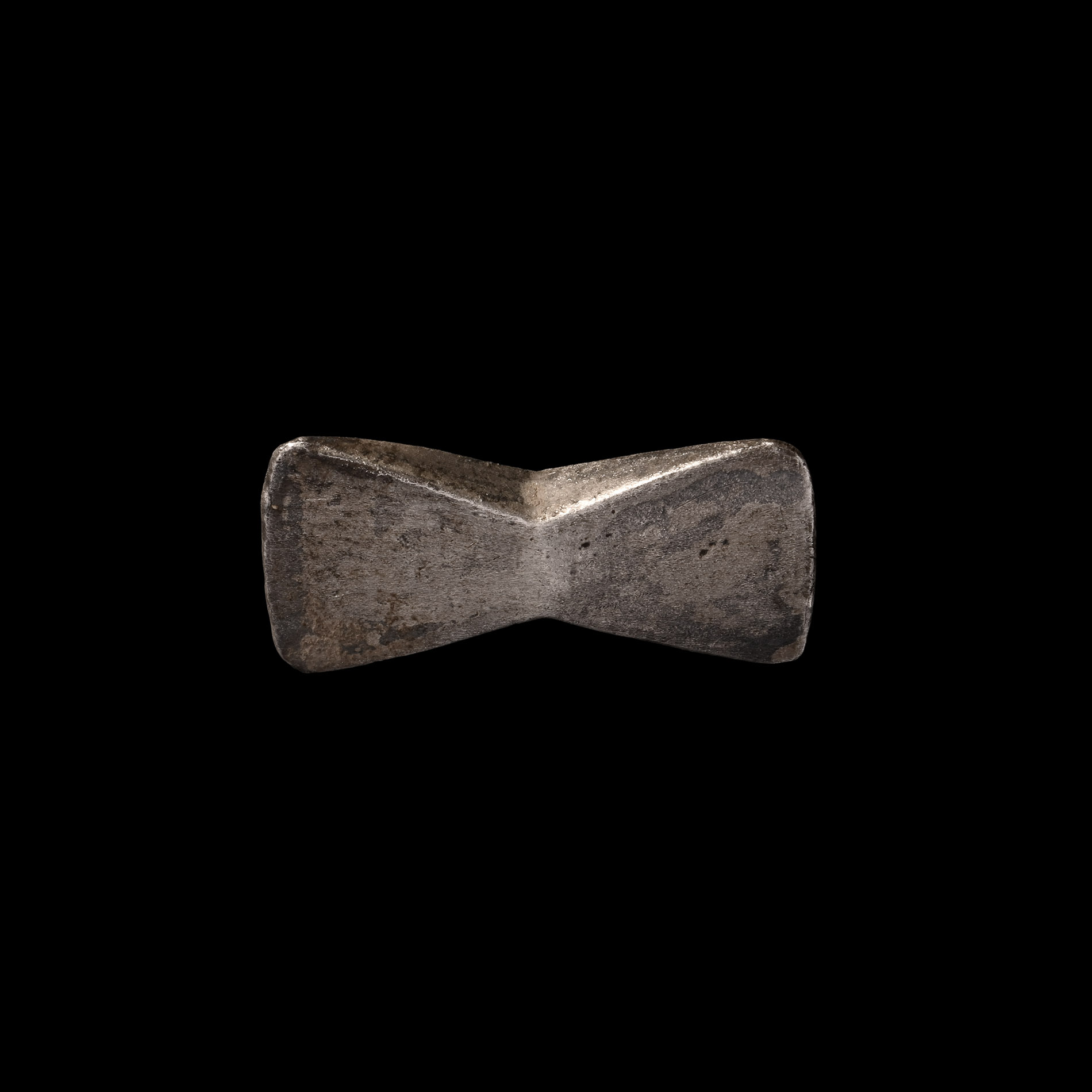
Viking Age Silver Axe Amulet
9TH-11TH CENTURY A.D.
3/4 in. (2.2 grams, 18 mm).
A silver amulet formed as a twibill double-bladed axehead. [No Reserve]
ProvenanceAcquired in the late 1990s-2000.
Property of an East London gentleman.
TimeLine Auctions follows a vetting process to ensure the authenticity and legality of all items, reinforcing our commitment to integrity and responsible trading. Each antiquity, antique, and coin lot undergoes thorough examination by a vetting committee of at least ten external specialists, professional trade association members, scientists, and archaeologists: Our Vetting Process
AUCTIONS:
TimeLine is a leading auction house specialising in antiquities, ancient art, collectables, natural history, coins, medals, and books. Our auctions offer museums, collectors, historians, and enthusiasts the opportunity to acquire unique and historically significant pieces.
-
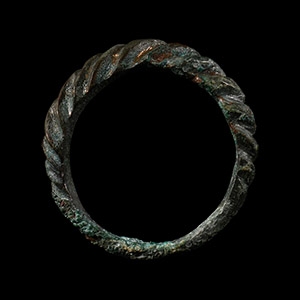
Viking Period Faux Twist Ring
Circa 10th century A.D.Sold for (Inc. bp): £46
A copper-alloy ring composed of a tapering hoop which is thickest at the bezel, decorated with a deep, faux-twist motif. 3.35 grams, 24.61 mm overall, 18.40 mm internal diameter (approximate size British P 1/2, USA 7 3/4, Europe 16.86, Japan 16)
Private collection formed since in the 1940s. UK art market. Property of an Essex gentleman. -

Viking Age Stamped Silver Pendant
Circa 8th-10th century A.D. or laterSold for (Inc. bp): £312
A discoid silver pendant decoratively stamped with blank triangles, triangles containing trefoil pellets and annulets containing pellets; ribbed tubular suspension loop; Latvian workmanship. 11.8 grams, 55 mm
Acquired in the 1990s. From a North Yorkshire private collection, UK. -
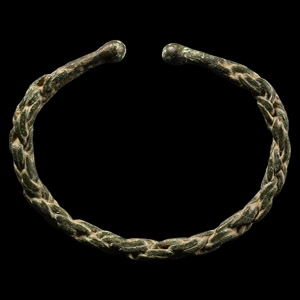
Viking Period Plaited Bracelet
8th-10th century A.D.Sold for (Inc. bp): £117
A penannular copper-alloy bracelet composed of a plaited body with bulbous terminals. 23.5 grams, 73 mm
Acquired in the late 1990s-2000. Property of an East London gentleman.
