
Loading, please wait...
LOT 1747
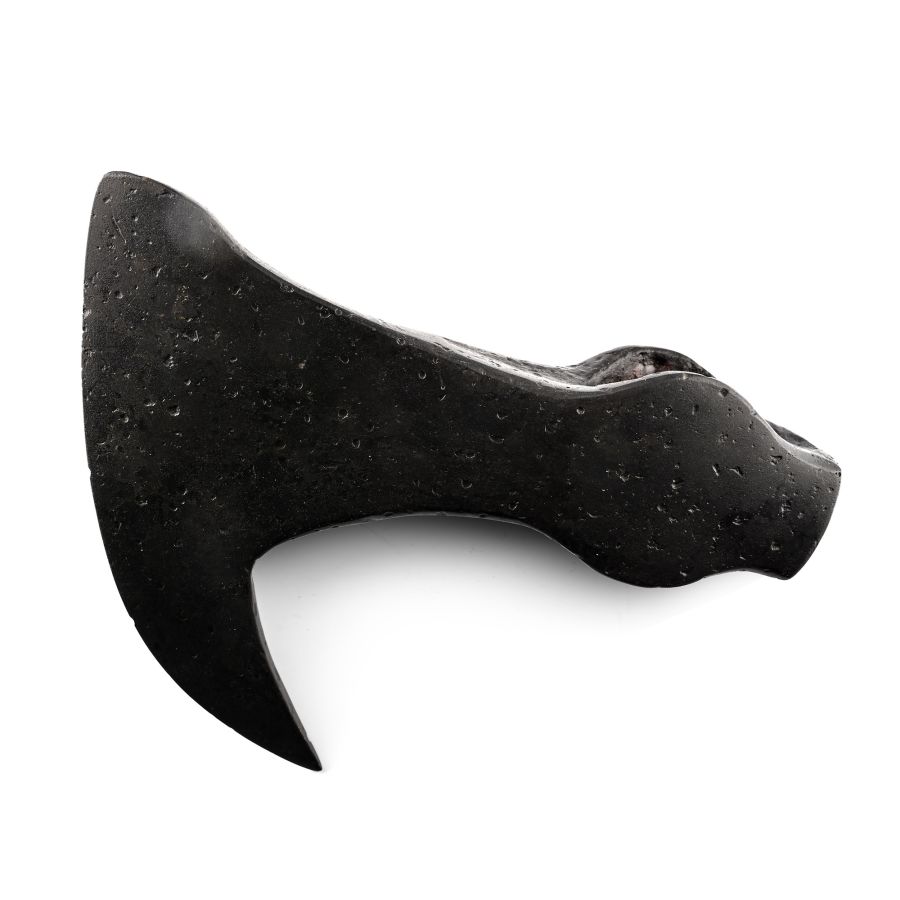
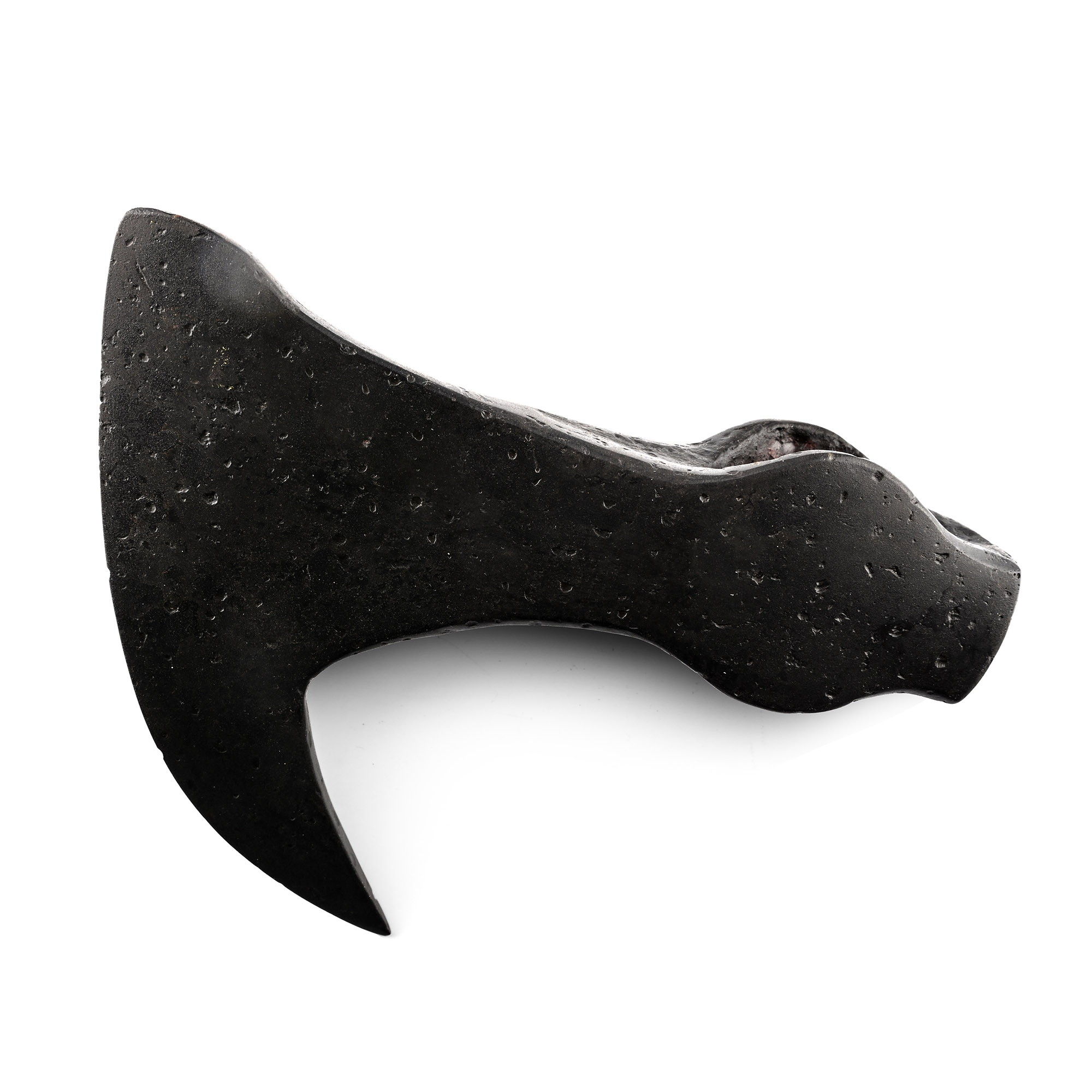
Viking Age Iron Socketted Hook-Billed Axehead
CIRCA 9TH-11TH CENTURY A.D.
6 in. (618 grams, 15.2 cm).
With a long, deeply curved blade, short neck, socket with slightly curved wings above and below, and hammer-face to rear; professionally cleaned, conserved, and restored. [No Reserve]
ProvenanceFrom the family collection of a South East London collector; formerly acquired in the late 1950s.
LiteratureCf. Sedov, B.B., Finno-Ugri i Balti v Epokhi Srednevekovija, Moscow, 1987, plate CXXIV, item 1.
FootnotesThese axes are typical of Baltic workmanship. During this age, the axes were the favourite weapons of many Baltic people, including the Curonian army, which included lightly armed soldiers who fought with spears, shields, fighting knives and axes. A heavily armed soldier could also carry a sword, a helmet, a shield, and a wide-bladed axe.
CONDITIONTimeLine Auctions follows a vetting process to ensure the authenticity and legality of all items, reinforcing our commitment to integrity and responsible trading. Each antiquity, antique, and coin lot undergoes thorough examination by a vetting committee of at least ten external specialists, professional trade association members, scientists, and archaeologists: Our Vetting Process
AUCTIONS:
TimeLine is a leading auction house specialising in antiquities, ancient art, collectables, natural history, coins, medals, and books. Our auctions offer museums, collectors, historians, and enthusiasts the opportunity to acquire unique and historically significant pieces.
-
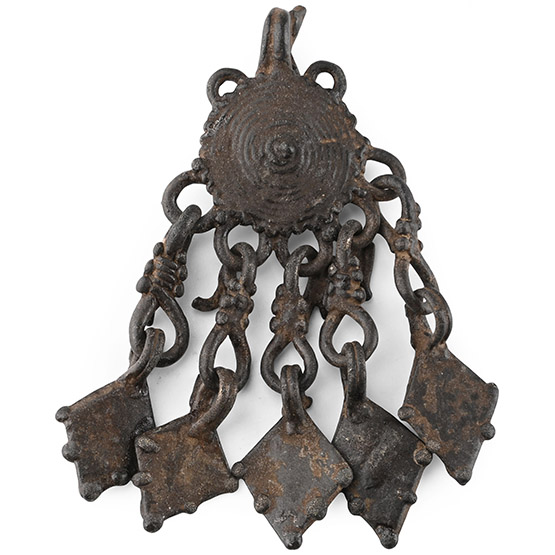
Viking Period Bronze Pendant with Duck-Foot Dangles
Circa 8th-10th century A.D.Sold for (Inc. bp): £130
Circular plaque with seven loops and another at the apex, the lower five loops each with 'duck-foot' type dangle; Finno-Ugric type. 24.8 grams, 70 mm
UK gallery, early 2000s. -
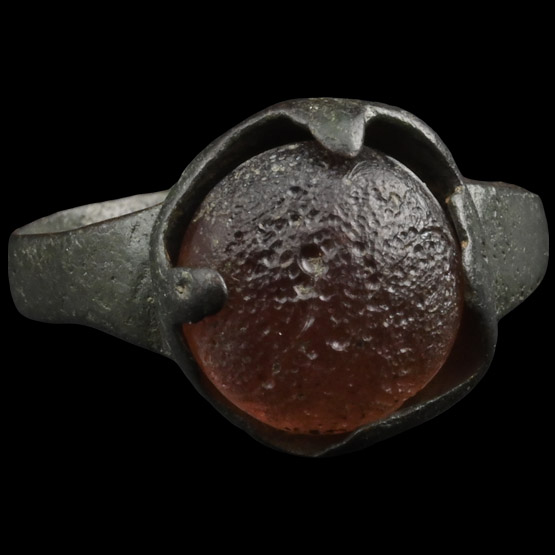
Viking Age Bronze Ring with Cabochon
9th-12th century A.D.Sold for (Inc. bp): £104
Narrow hoop and broad cell with claw setting, inset amethyst cabochon. 2.92 grams, 24.78 mm overall, 16.68 x 17.05 mm internal diameter (approximate size British M, USA 6, Europe 12.46, Japan 12)
Ex German art market, 2000s. Acquired from an EU collector living in London. From the collection of a Surrey, UK, gentleman. -
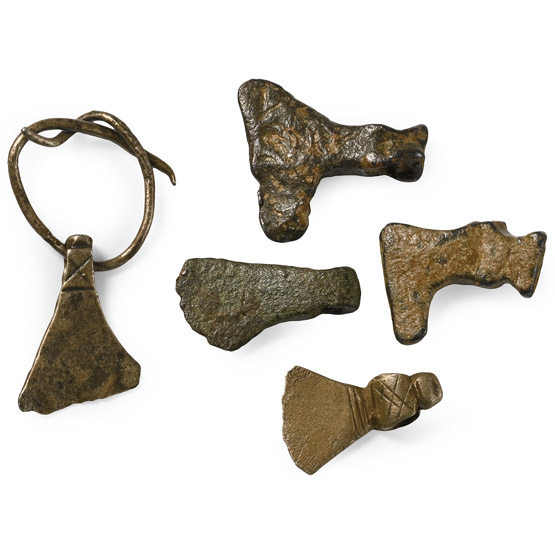
Viking Age Bronze and Silver Axehead Pendant Collection
Circa 8th-11th century A.D.Sold for (Inc. bp): £247
including hooked, broad and other types, one with wire loop. 9.89 grams total, 16-32 mm
Ex German art market, 2000s. Acquired from an EU collector living in London. From the collection of a Surrey, UK, gentleman.
