
Loading, please wait...
LOT 1448
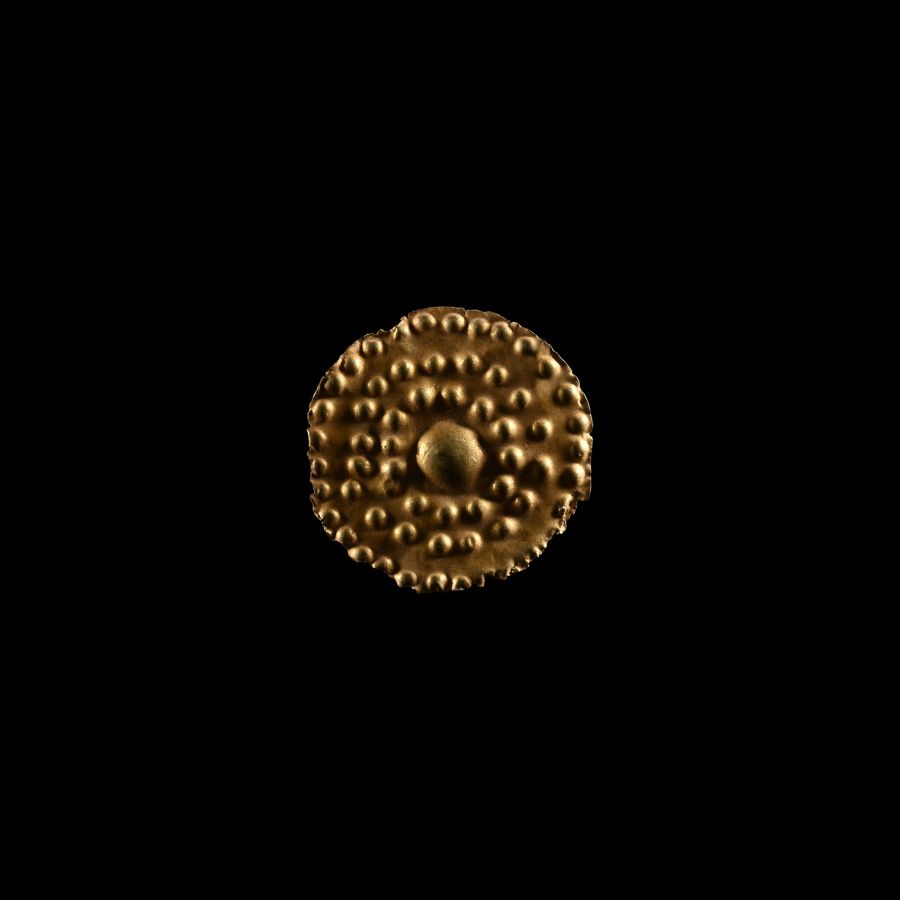
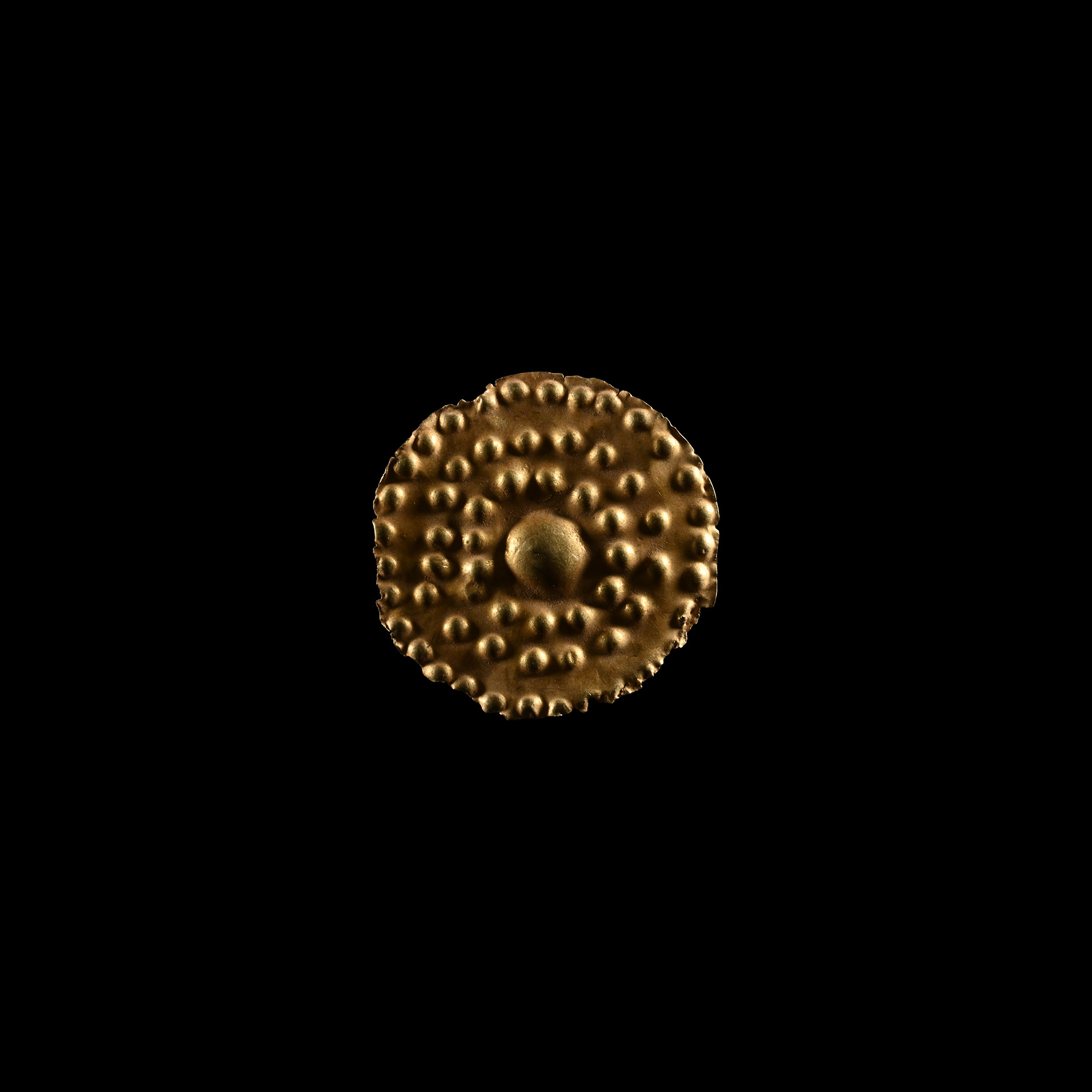
Viking Age Gold Bracteate
9TH-11TH CENTURY A.D.
5/8 in. (0.33 grams, 17 mm).
Sheet-gold disc with concentric rings of repoussé pellets and central boss.
ProvenanceAcquired 1980-2015.
Ex Abelita family collection.
TimeLine Auctions follows a vetting process to ensure the authenticity and legality of all items, reinforcing our commitment to integrity and responsible trading. Each antiquity, antique, and coin lot undergoes thorough examination by a vetting committee of at least ten external specialists, professional trade association members, scientists, and archaeologists: Our Vetting Process
AUCTIONS:
TimeLine is a leading auction house specialising in antiquities, ancient art, collectables, natural history, coins, medals, and books. Our auctions offer museums, collectors, historians, and enthusiasts the opportunity to acquire unique and historically significant pieces.
-
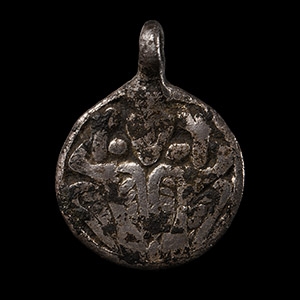
Viking Silver Mask and Ravens Pendant
10th century A.D.Sold for (Inc. bp): £260
With integral loop, border enclosing a low-relief image of a male face between two birds, grasped by arms at the necks, small loop to the top. 1.6 grams, 22 mm
From the collection of a North American gentleman, formed in the 1990s. -
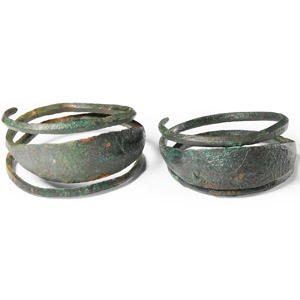
Viking Age Bronze Coiled Bracelet Pair
9th-11th century A.D. or earlierSold for (Inc. bp): £130
Each composed of a spiralling lozenge-section hoop with elliptical flat-section bezel and tapering terminals. 132 grams total, 69-74 mm
Ex old English collection. London art market, 1980s. -
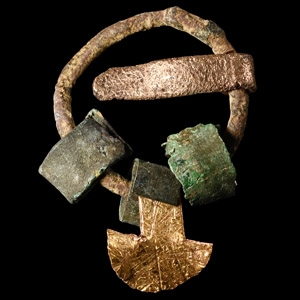
Viking Bronze Ring Brooch with Amulets
9th-11th century A.D.Sold for (Inc. bp): £104
The round-bodied brooch with articulate flat-section tongue, adorned with three free-running flat-section rings, a decorated sheet-gold axe-head ornament attached to the central ring. 3.2 grams, 22 mm
Acquired on the UK art market. Property of a Ruislip, UK, gentleman, by inheritance.
