
Loading, please wait...
LOT 1736
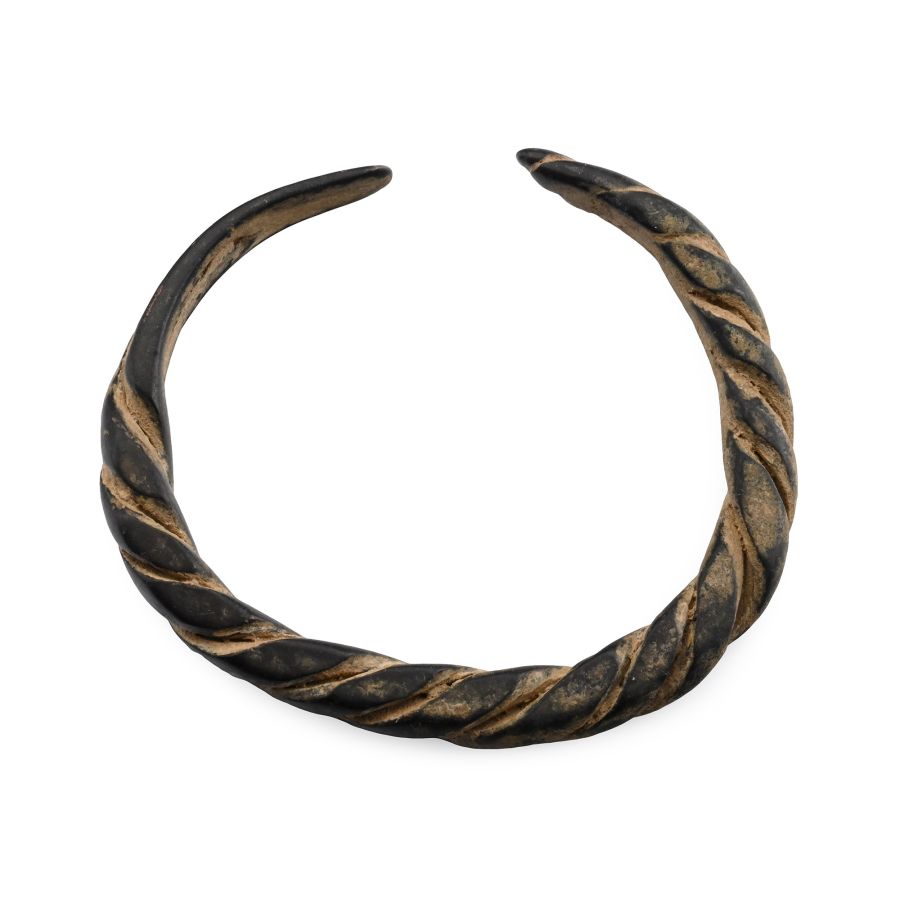
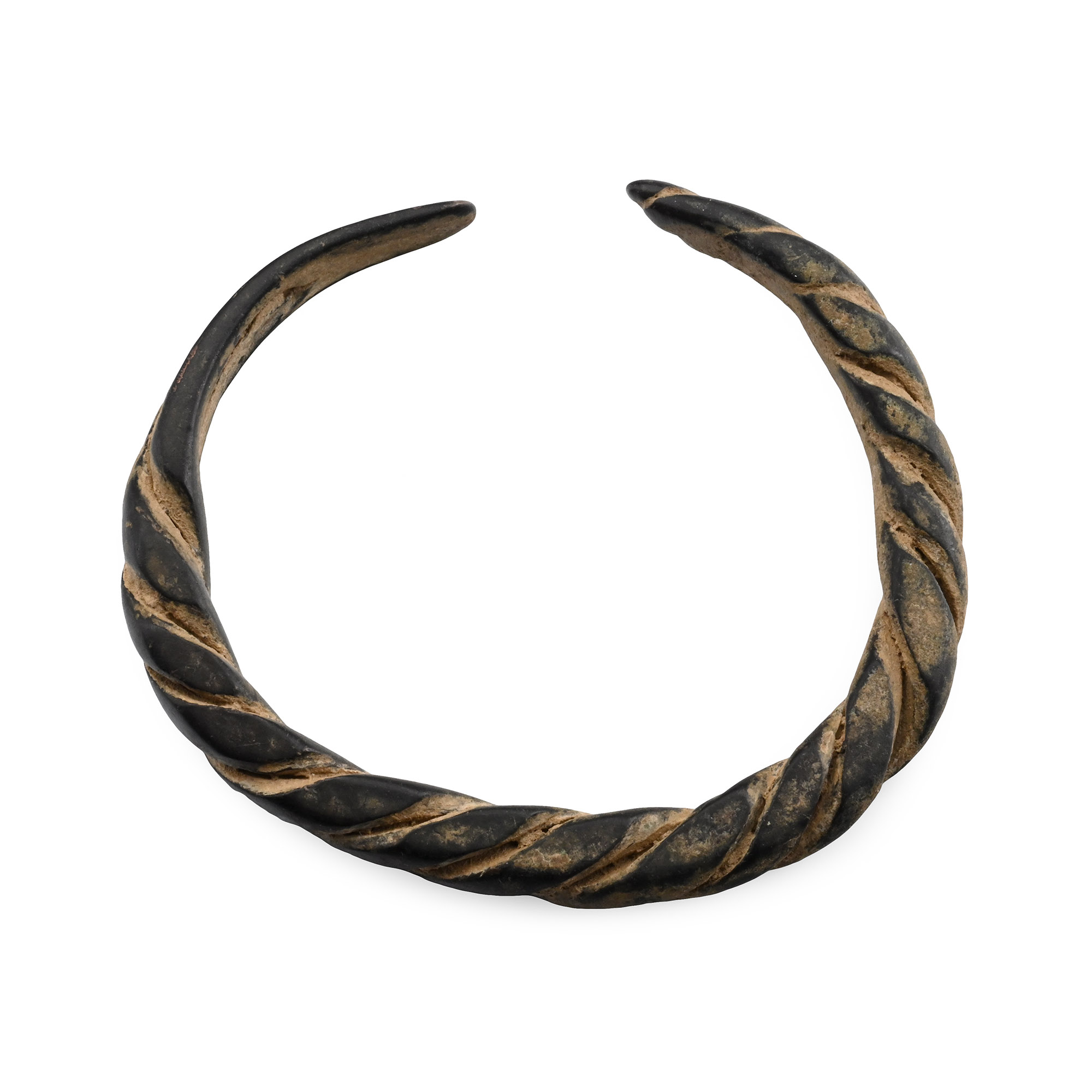
Viking Age Bronze Twisted Bar Bracelet
CIRCA 9TH-11TH CENTURY A.D.
2 1/2 in. (36 grams, 62 mm).
Two rods tightly twisted and curved into a penannular shape, hammered flat towards the ends, one terminal with a hatched design to the outer edge. [No Reserve]
ProvenanceEx East Sussex private collection, 1970s-1980s.
LiteratureCf. Sedov, B.B., Finno-Ugri i Balti v Epokhi Srednevekovija, Moscow, 1987, pl.XCI (18), for type; also see Shetelig, H. (ed), Viking Antiquities in Great Britain and Ireland, Part VI, Oslo, 1954, figs.84-85 (hoards from Croydon and Cuerdale).
CONDITIONTimeLine Auctions follows a vetting process to ensure the authenticity and legality of all items, reinforcing our commitment to integrity and responsible trading. Each antiquity, antique, and coin lot undergoes thorough examination by a vetting committee of at least ten external specialists, professional trade association members, scientists, and archaeologists: Our Vetting Process
AUCTIONS:
TimeLine is a leading auction house specialising in antiquities, ancient art, collectables, natural history, coins, medals, and books. Our auctions offer museums, collectors, historians, and enthusiasts the opportunity to acquire unique and historically significant pieces.
-
.jpg)
Viking Period Bronze Brooch with Pendant and Lozenge-Shaped Drops
Finno-Ugric, 8th-10th century A.D.Sold for (Inc. bp): £559
Triangular plaque with openwork decoration and stylised beast head finials, the lower six loops each with lozenge-shaped dangle, pennanular loop supporting cosmetic pin. 68 grams, 19 cm
From the private collection of a London gentleman, from his grandfather's collection formed before the early 1970s. -
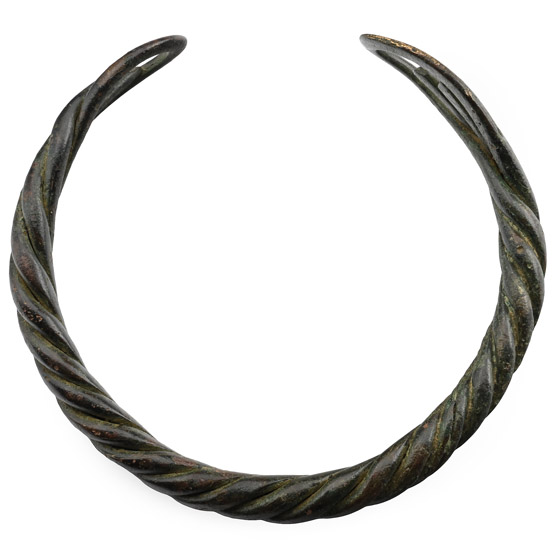
Viking Age Bronze Twisted Bar Bracelet
9th-11th century A.D.Sold for (Inc. bp): £78
Comprising a braided band of wire; each end splayed and enclosed by the shank. 25.25 grams, 63 mm
Ex German art market, 2000s. Acquired from an EU collector living in London. From the collection of a Surrey, UK, gentleman. -
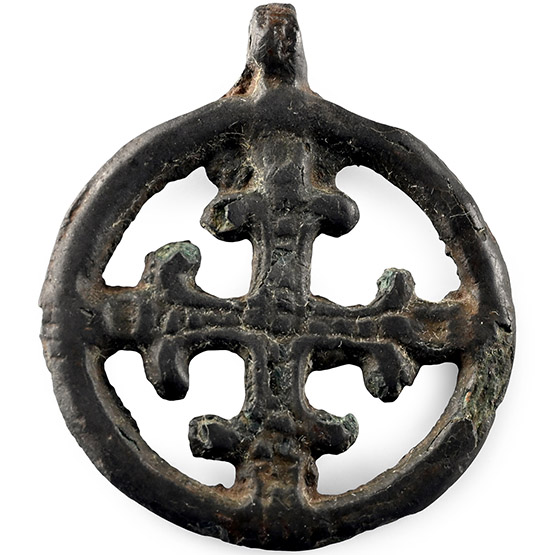
Viking Period Bronze Openwork Cross Pendant
Circa 9th-11th century A.D.Sold for (Inc. bp): £98
Comprising a cross patonce with low-relief pellet decoration, surrounded by a circular frame with integral suspension loop. 4.25 grams, 32 mm
UK gallery, early 2000s.
