
Loading, please wait...
LOT 1185
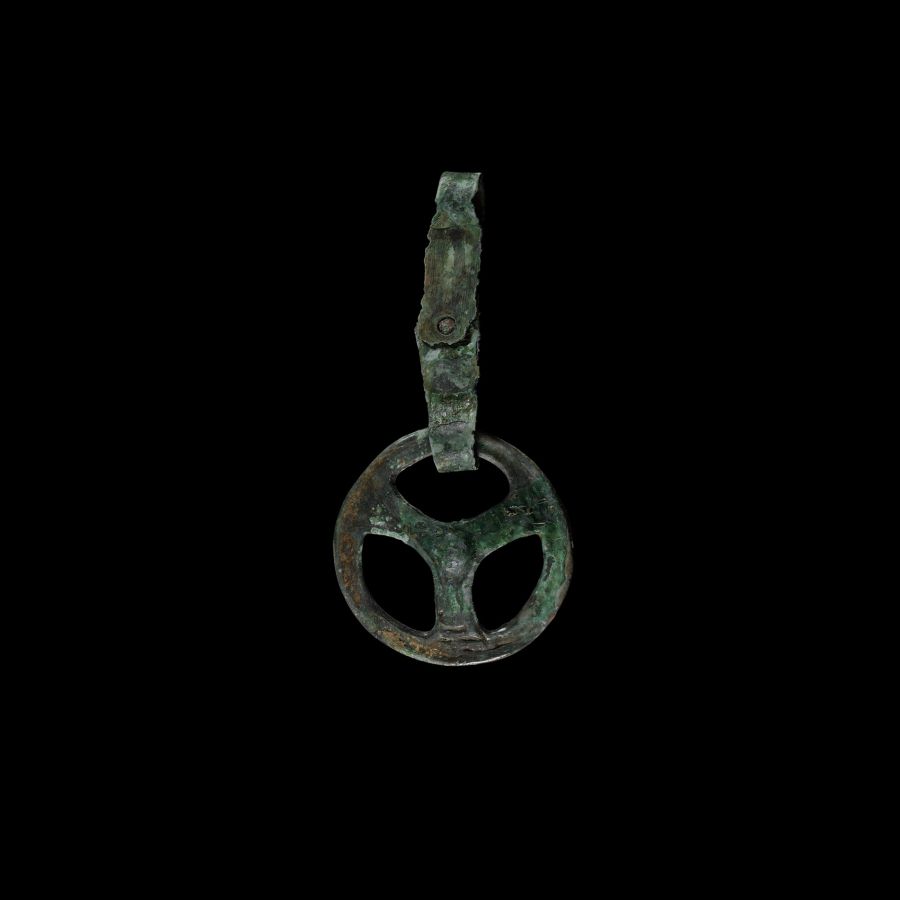
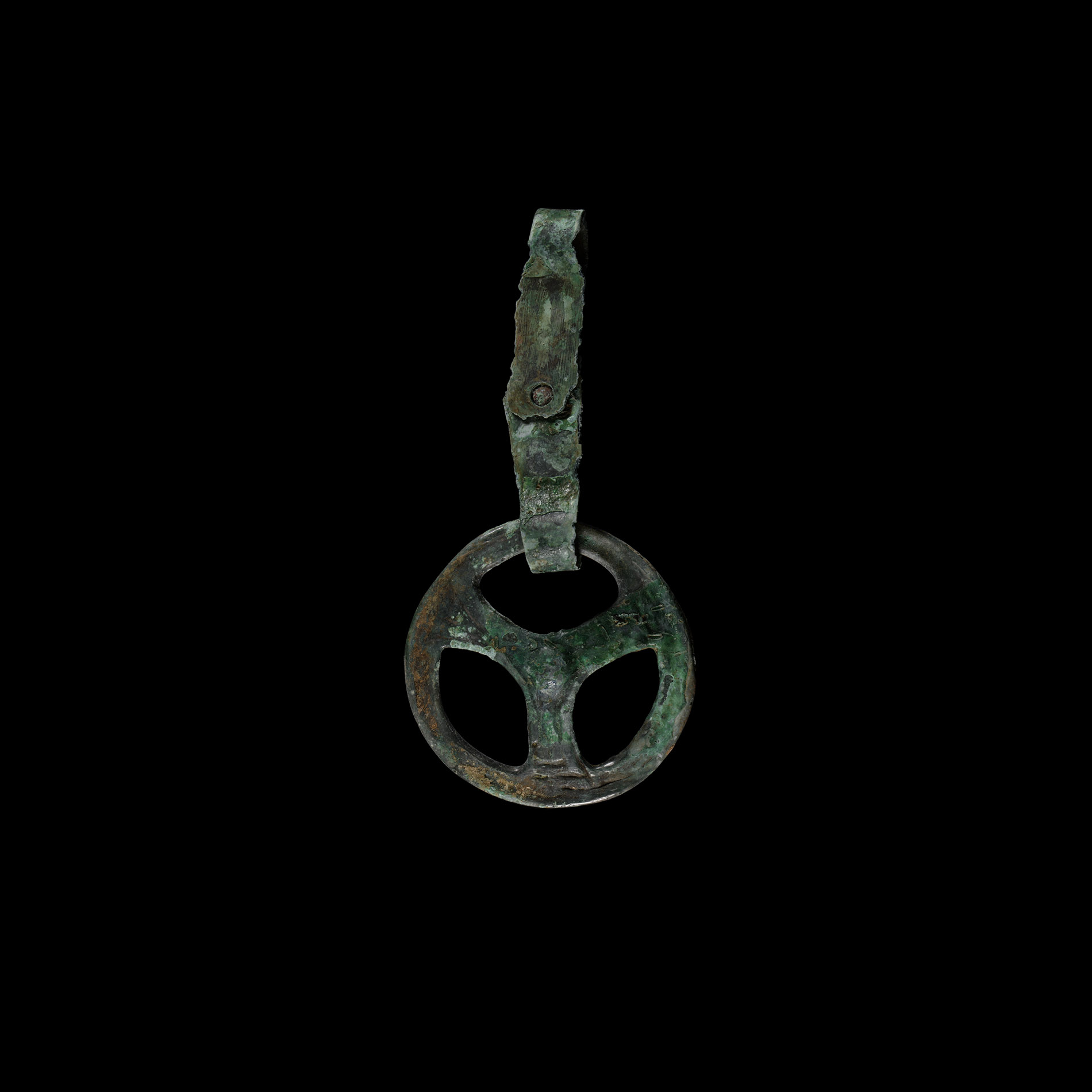
Viking Age Bronze Trefoil Strap Junction
9TH-11TH CENTURY A.D.
3 1/2 in. (15.5 grams, 89 mm).
Composed of a slightly domed openwork body, the central arms with simple incised geometric detailing and central boss, free-running attachment bars above. [No Reserve]
ProvenanceFrom the collection of a North American gentleman, formed in the 1990s.
CONDITIONTimeLine Auctions follows a vetting process to ensure the authenticity and legality of all items, reinforcing our commitment to integrity and responsible trading. Each antiquity, antique, and coin lot undergoes thorough examination by a vetting committee of at least ten external specialists, professional trade association members, scientists, and archaeologists: Our Vetting Process
AUCTIONS:
TimeLine is a leading auction house specialising in antiquities, ancient art, collectables, natural history, coins, medals, and books. Our auctions offer museums, collectors, historians, and enthusiasts the opportunity to acquire unique and historically significant pieces.
-

Viking Age Bronze Tortoise Brooch
9th-11th century A.D.Sold for (Inc. bp): £390
Composed of an elliptical domed body decorated with a transverse band of ribbed decoration featuring four facing masks with pellet eyes; the outer fields with zoomorphic tendril designs edged by a ropework border; geometric motif to the flange; transverse bar and remains of some fitting elements to reverse. 71 grams, 93 mm
From the collection of a North American gentleman, formed in the 1990s. -
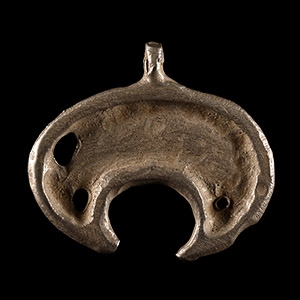
Viking Age Silver Crescentic Pendant
9th-11th century A.D.Sold for (Inc. bp): £72
Lunate in shape, with raised rim; suspension loop to the apex. 4.8 grams, 29 mm
Acquired on the UK art market. Property of a Suffolk gentleman. Acquired on the UK art market in 2015. Property of a Kent lady collector. -

Merovingian Gold Cloisonne Pendant
Late 7th century A.D.Sold for (Inc. bp): £156
In the shape of a beetle(?) with a flat surface on one side, and divided on the other side by five spaces intended for cloisonne insertions; small loop for suspension in the upper part. 0.68 grams, 15 mm
From a late Japanese specialist collector, 1970-2000s.
The cloisonne decoration, probably of Constantinopolitan origin, became an object of local production in the Merovingian kingdom since the 6th century A.D. Decorative objects of this type are common in female and male tombs, intended for the ornamentation of belts and household objects, arms and clothing.
