
Loading, please wait...

LOT 1419
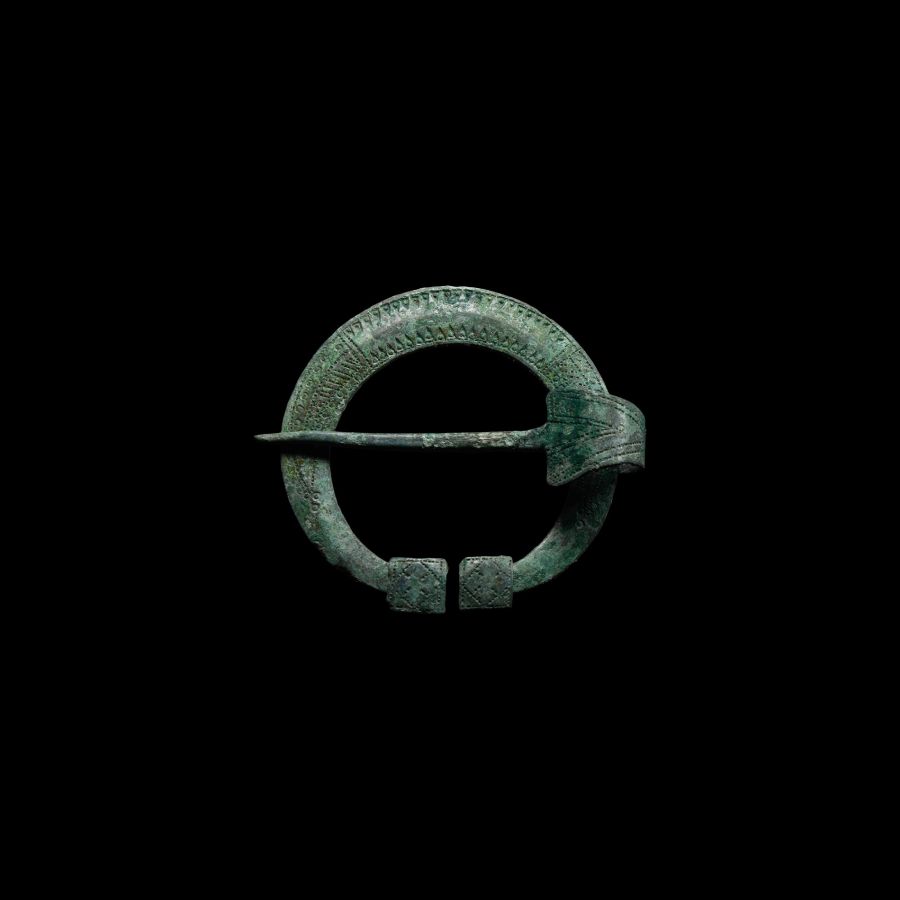
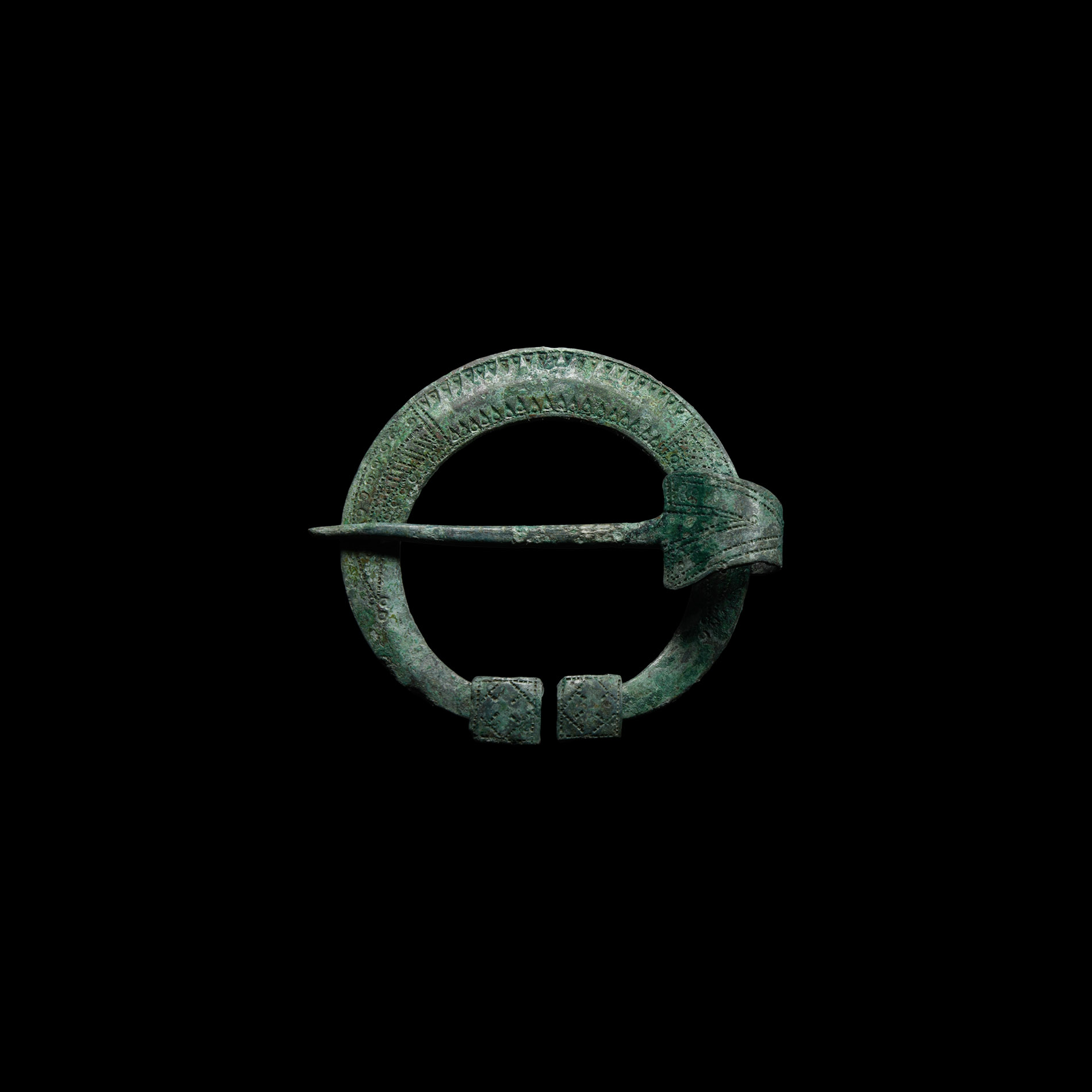
Viking Age Bronze Penannular Brooch with Stamped Decoration
9TH-11TH CENTURY A.D.
2 1/2 in. (21.9 grams, 64 mm).
Projecting square-headed terminals with pecked geometric decoration, the body divided into three zones of geometric ornament, free-running pin with geometric ornament to the head. [No Reserve]
ProvenanceFrom the collection of a North American gentleman, formed in the 1990s.
CONDITIONTimeLine Auctions follows a vetting process to ensure the authenticity and legality of all items, reinforcing our commitment to integrity and responsible trading. Each antiquity, antique, and coin lot undergoes thorough examination by a vetting committee of at least ten external specialists, professional trade association members, scientists, and archaeologists: Our Vetting Process
AUCTIONS:
TimeLine is a leading auction house specialising in antiquities, ancient art, collectables, natural history, coins, medals, and books. Our auctions offer museums, collectors, historians, and enthusiasts the opportunity to acquire unique and historically significant pieces.
LOT 1419
Viking Age Bronze Penannular Brooch with Stamped Decoration
Sold for (Inc. bp): £156
-
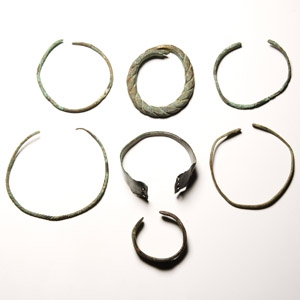
Viking Age Bronze Bracelet Group
Circa 9th-11th century A.D.Sold for (Inc. bp): £91
Most of penannular form with decorative elements, including pierced terminals, expanded panels, faux-twisting and zoomorphic terminals. 120 grams total, 41-79 mm
Acquired on the UK art market. Property of a Ruislip, UK, gentleman, by inheritance. -
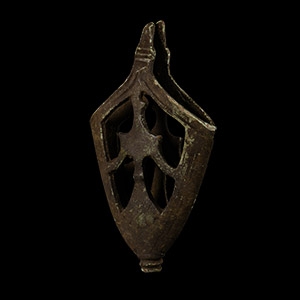
Viking Age Bronze Birka Falcon Type Sword Scabbard Chape
9th-10th century A.D.Sold for (Inc. bp): £104
Of openwork form, collared knop to tip and collared projections to apex. 31.4 grams, 71 mm
From the collection of a North American gentleman, formed in the 1990s. -
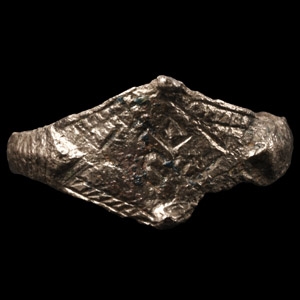
Viking Age Base Silver Ring
Circa 10th-12th century A.D.Sold for (Inc. bp): £78
Lozengiform bezel with stud to each angle, incised hatched design. 2.04 grams, 22.78 mm overall, 19.47 mm internal diameter (approximate size British S 1/2, USA 9 1/4, Europe 20.63, Japan 19)
Acquired on the UK art market. Ex private Merseyside, UK, collection.
