
Loading, please wait...
LOT 1429
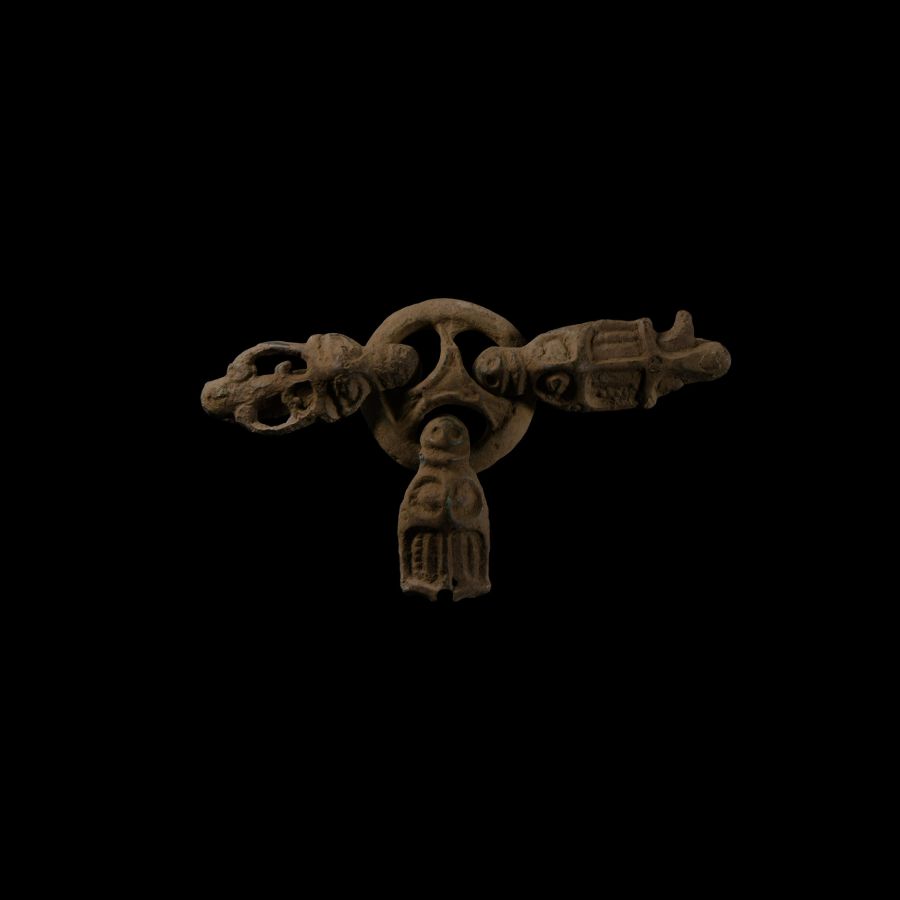
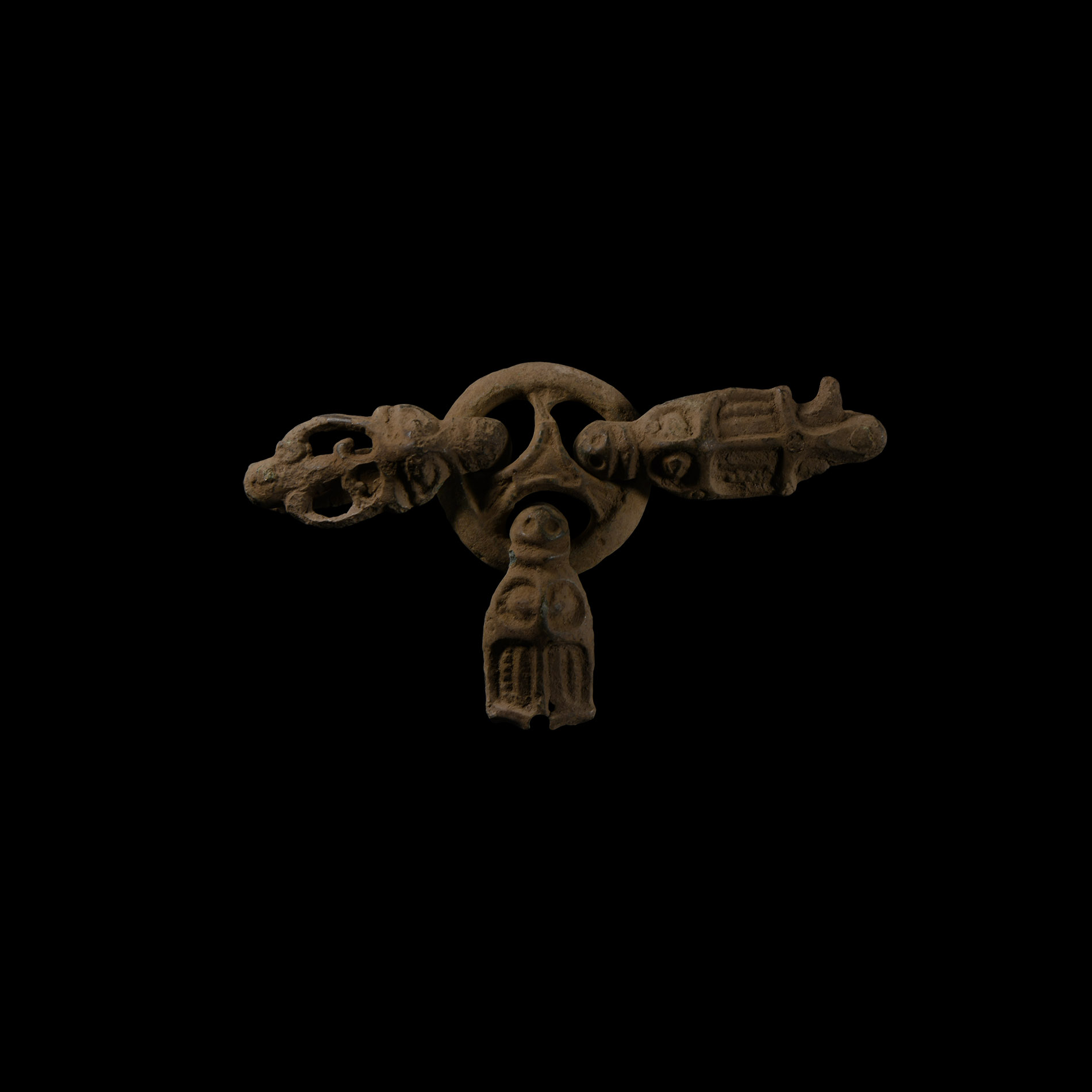
Viking Age Bronze Belt Strap Distributor with Beast-Head Attachments
9TH-11TH CENTURY A.D.
1 3/4 in. (27.6 grams, 44 mm).
With domed profile to the distributor, three different beast-head finials to the strap-attachments. [No Reserve]
ProvenanceFrom the collection of a North American gentleman, formed in the 1990s.
LiteratureCf. similar item in the British Museum, London under acquisition number 1921,1101.160.
CONDITIONTimeLine Auctions follows a vetting process to ensure the authenticity and legality of all items, reinforcing our commitment to integrity and responsible trading. Each antiquity, antique, and coin lot undergoes thorough examination by a vetting committee of at least ten external specialists, professional trade association members, scientists, and archaeologists: Our Vetting Process
AUCTIONS:
TimeLine is a leading auction house specialising in antiquities, ancient art, collectables, natural history, coins, medals, and books. Our auctions offer museums, collectors, historians, and enthusiasts the opportunity to acquire unique and historically significant pieces.
LOT 1429
Viking Age Bronze Belt Strap Distributor with Beast-Head Attachments
Sold for (Inc. bp): £169
-
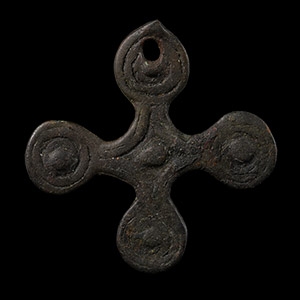
Viking Age Bronze Lobed Cross Pendant
9th-11th century A.D.Sold for (Inc. bp): £52
Cruciform in plan with lobe to end of each arm, inlaid pellet and ring to each arm and pellet to the centre; reinforcing cross to the reverse; pierced for suspension. 10.9 grams, 44 mm
From the collection of a North American gentleman, formed in the 1990s. -
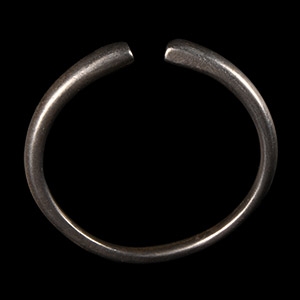
Viking Age Silver Bar Bracelet
9th-11th century A.D. or laterSold for (Inc. bp): £234
Of penannular form with expanded terminals. 40.7 grams, 64 mm
From the collection of a North American gentleman, formed in the 1990s. -
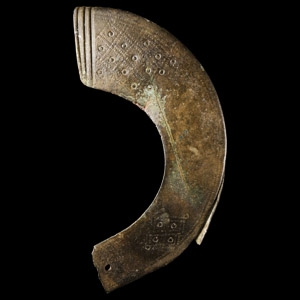
Viking Age Bronze Purse Fitting
Circa 9th-11th century A.D.Sold for (Inc. bp): £20
Crescentic in plan with a triangular cross-section, both faces displaying panels of lozenges, each with a punched annulet to centre; piercing to one arm. 45 grams, 10.8 cm
From a 1970s collection. Ex private Merseyside, UK, collection, since 2017.
