
Loading, please wait...
LOT 2218
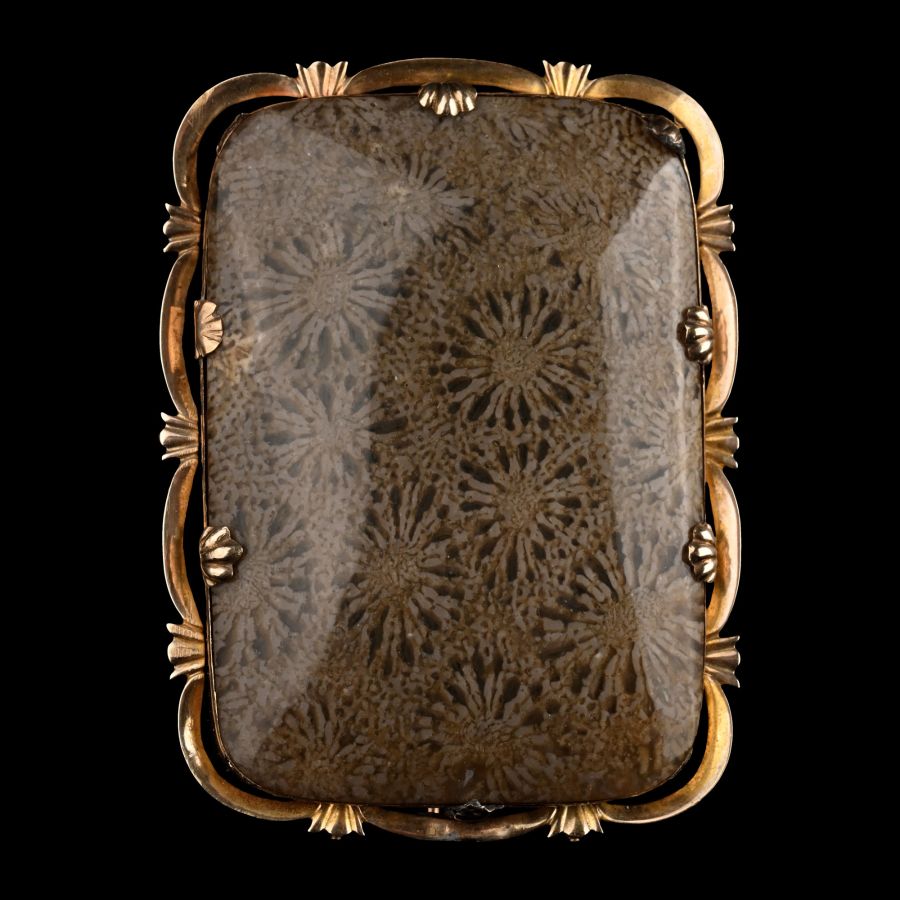
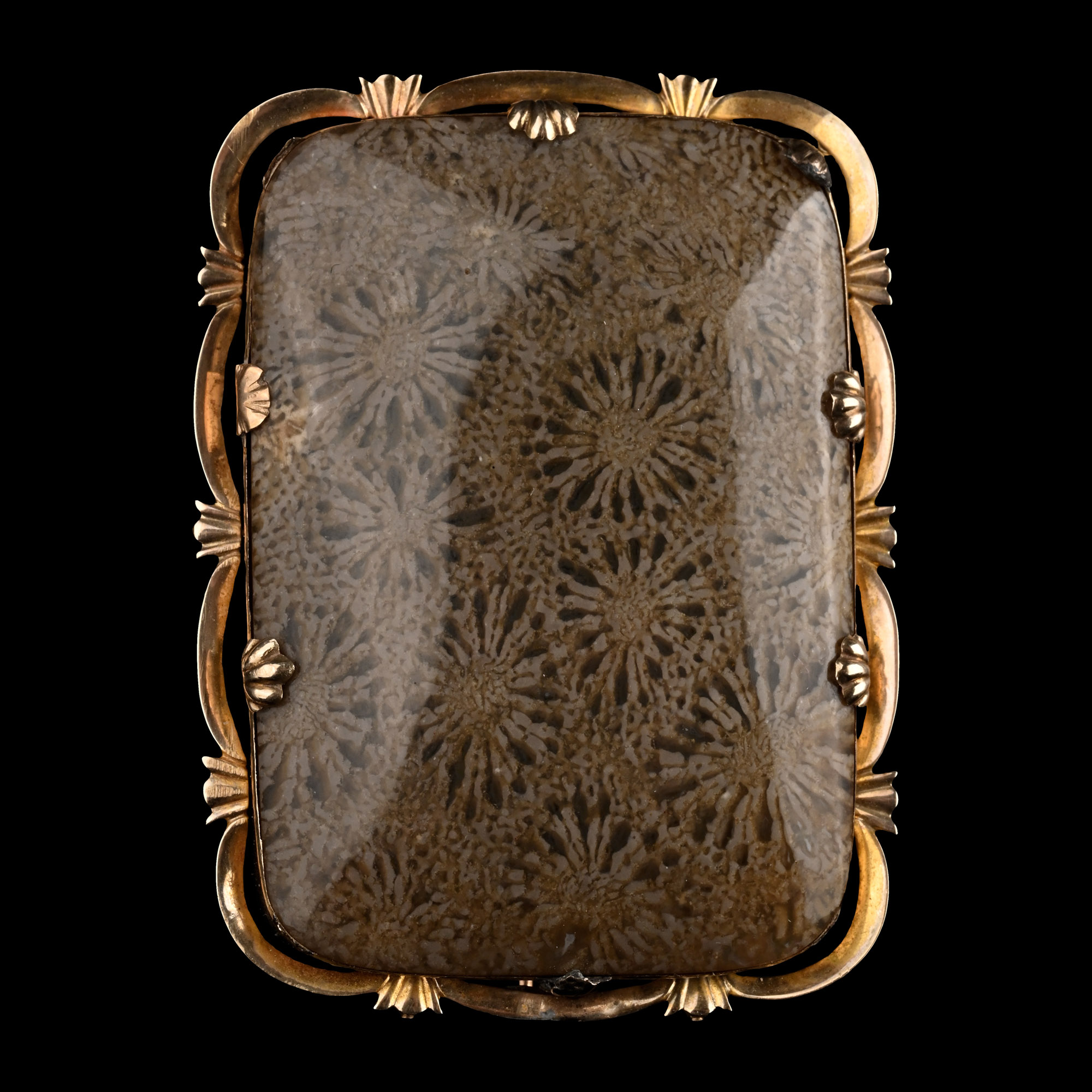
Victorian Silver-Gilt Brooch with Fossilised Plaque
SOUTH ITALIAN, 19TH CENTURY A.D.
2 1/2 in. (36.73 grams, 64 mm).
Comprising: a plano-convex rectangular panel of polished fossilised material; gilt frame of swags with claw setting, hinged pin to reverse.
ProvenancePrivate collection, London.
This lot is accompanied by an illustrated lot declaration signed by the Head of the Antiquities Department, Dr Raffaele D'Amato.
TimeLine Auctions follows a vetting process to ensure the authenticity and legality of all items, reinforcing our commitment to integrity and responsible trading. Each antiquity, antique, and coin lot undergoes thorough examination by a vetting committee of at least ten external specialists, professional trade association members, scientists, and archaeologists: Our Vetting Process
AUCTIONS:
TimeLine is a leading auction house specialising in antiquities, ancient art, collectables, natural history, coins, medals, and books. Our auctions offer museums, collectors, historians, and enthusiasts the opportunity to acquire unique and historically significant pieces.
LOT 2218
Victorian Silver-Gilt Brooch with Fossilised Plaque
Estimate £600 - 800€700 - 930 (for guidance only)$810 - 1,080 (for guidance only)
-
.jpg)
Napoleonic Pewter Candlestick
Early 19th century A.D.Sold for (Inc. bp): £182
Comprising a tiered central shaft with baluster and drip tray, bell-shaped socket; two later scrolled arms each with a bell-shaped socket; tiered base. 1.32 kg, 33.3 cm
Acquired on the UK art market in the early 2000s. This lot is accompanied by an illustrated lot declaration signed by the Head of the Antiquities Department, Dr Raffaele D'Amato. -
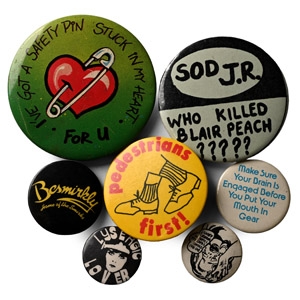
Miscellaneous Vintage Pin Badge Collection
Circa 1970s A.D. and laterSold for (Inc. bp): £7
Including 'punk' safety pin design, anti-car 'Pedestrians First!' and other designs. 38 grams total, 24-63 mm
From the private collection of a S.W. London gentleman, acquired in the 1970s. This lot is accompanied by an illustrated lot declaration signed by the Head of the Antiquities Department, Dr Raffaele D'Amato. -
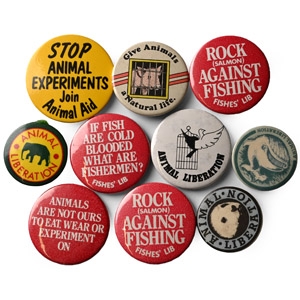
Animal Liberation Vintage Pin Badge Collection
Circa 1980s A.D. and laterSold for (Inc. bp): £20
Including various 'Animal Liberation', 'Animal Aid' and other types. 45 grams total, 31-44 mm
From the private collection of a S.W. London gentleman, acquired in the 1970s. This lot is accompanied by an illustrated lot declaration signed by the Head of the Antiquities Department, Dr Raffaele D'Amato.
