
Loading, please wait...
LOT 1189
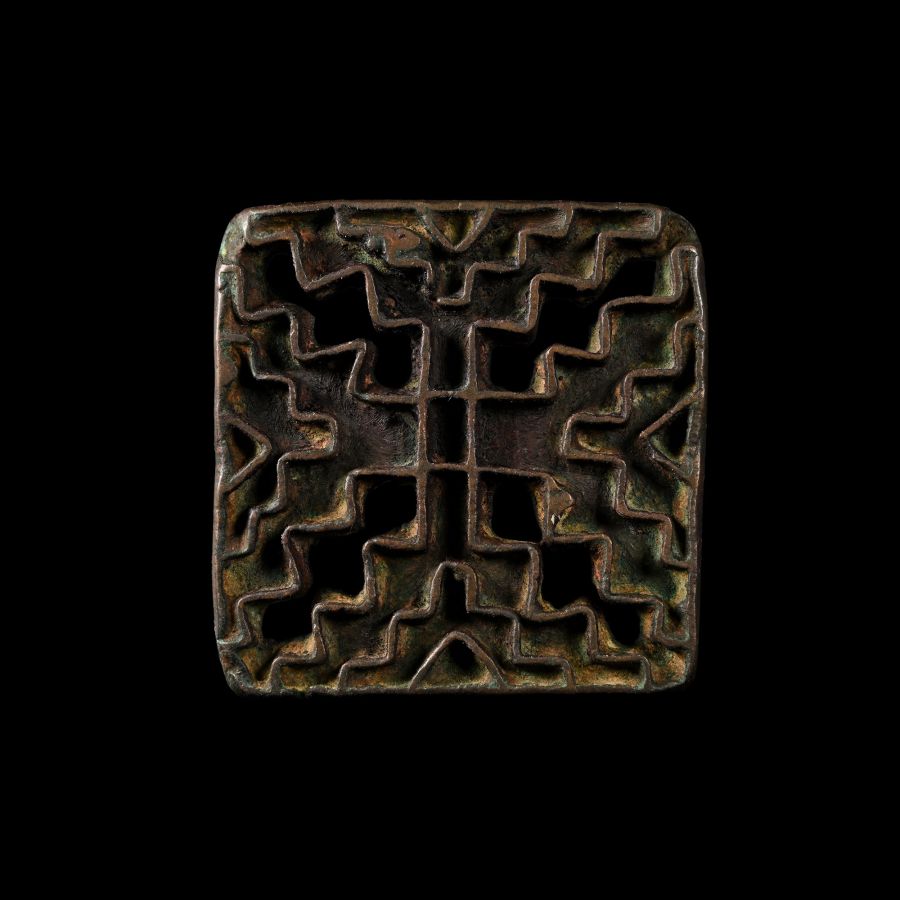
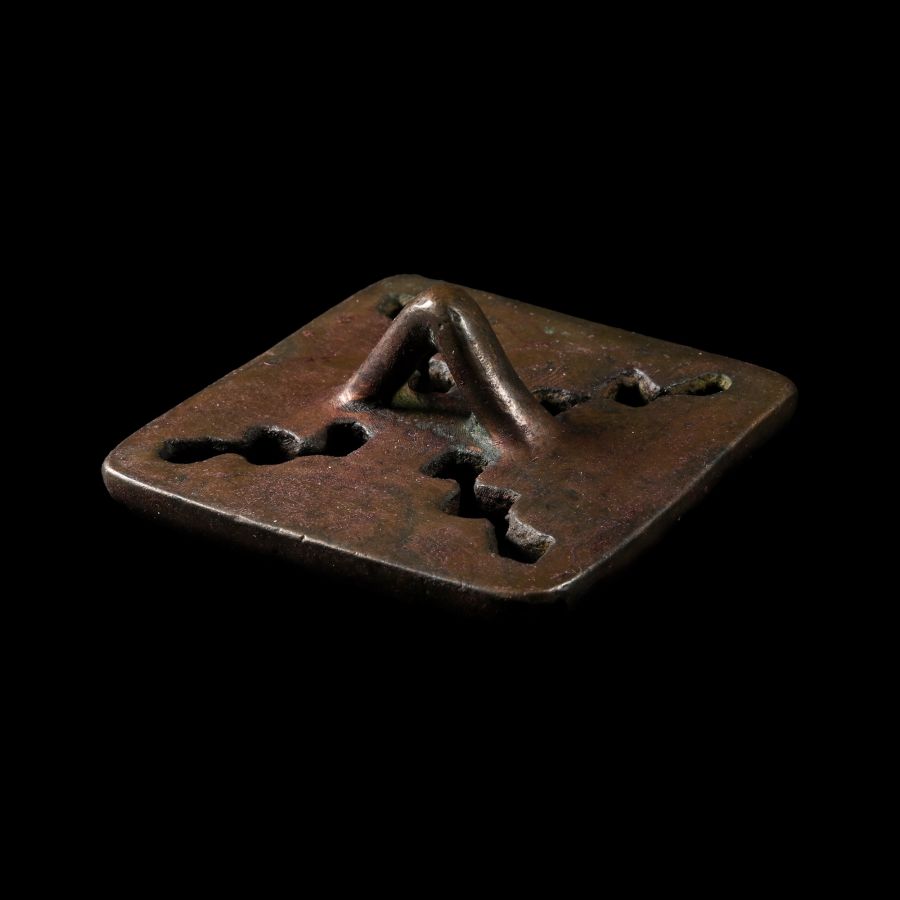
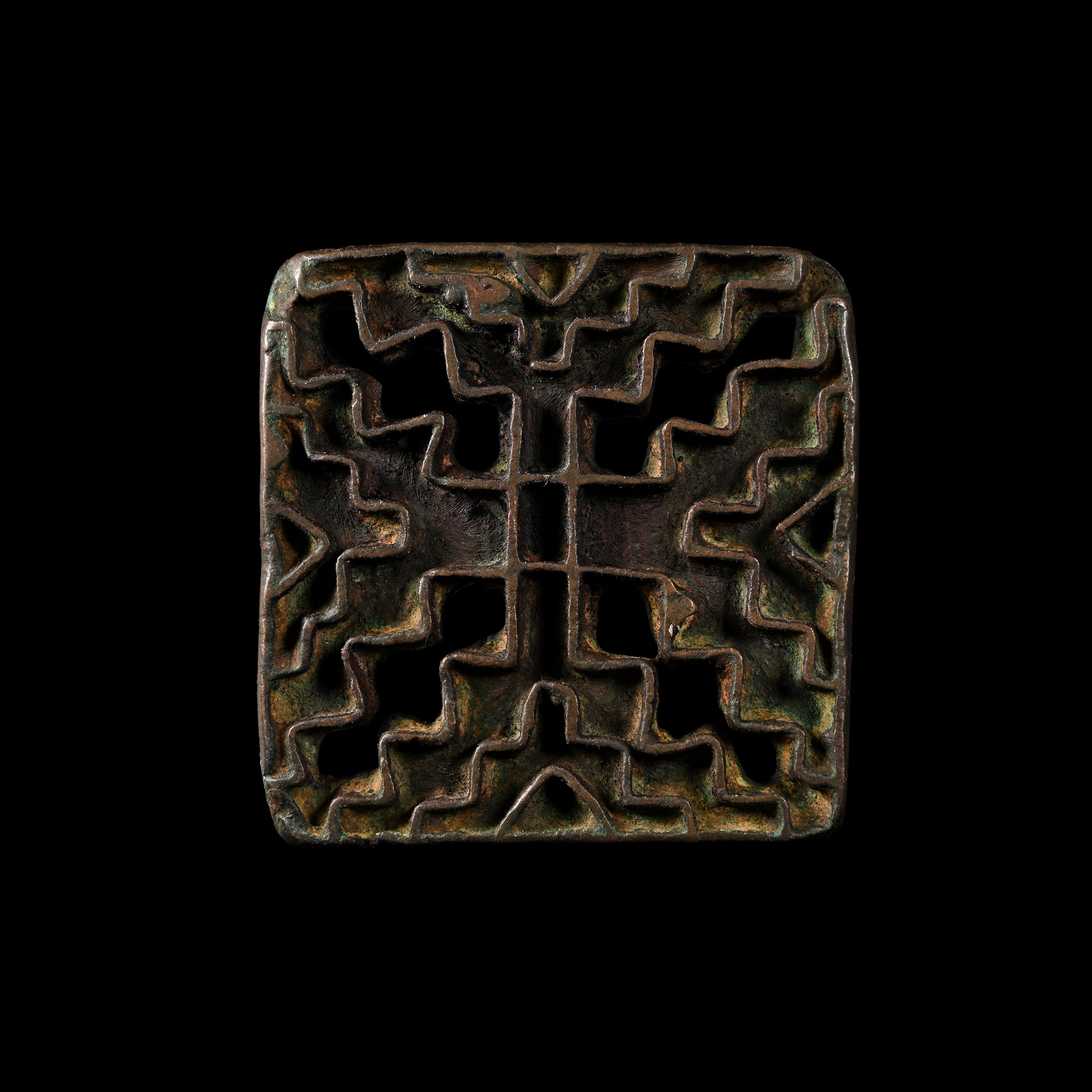
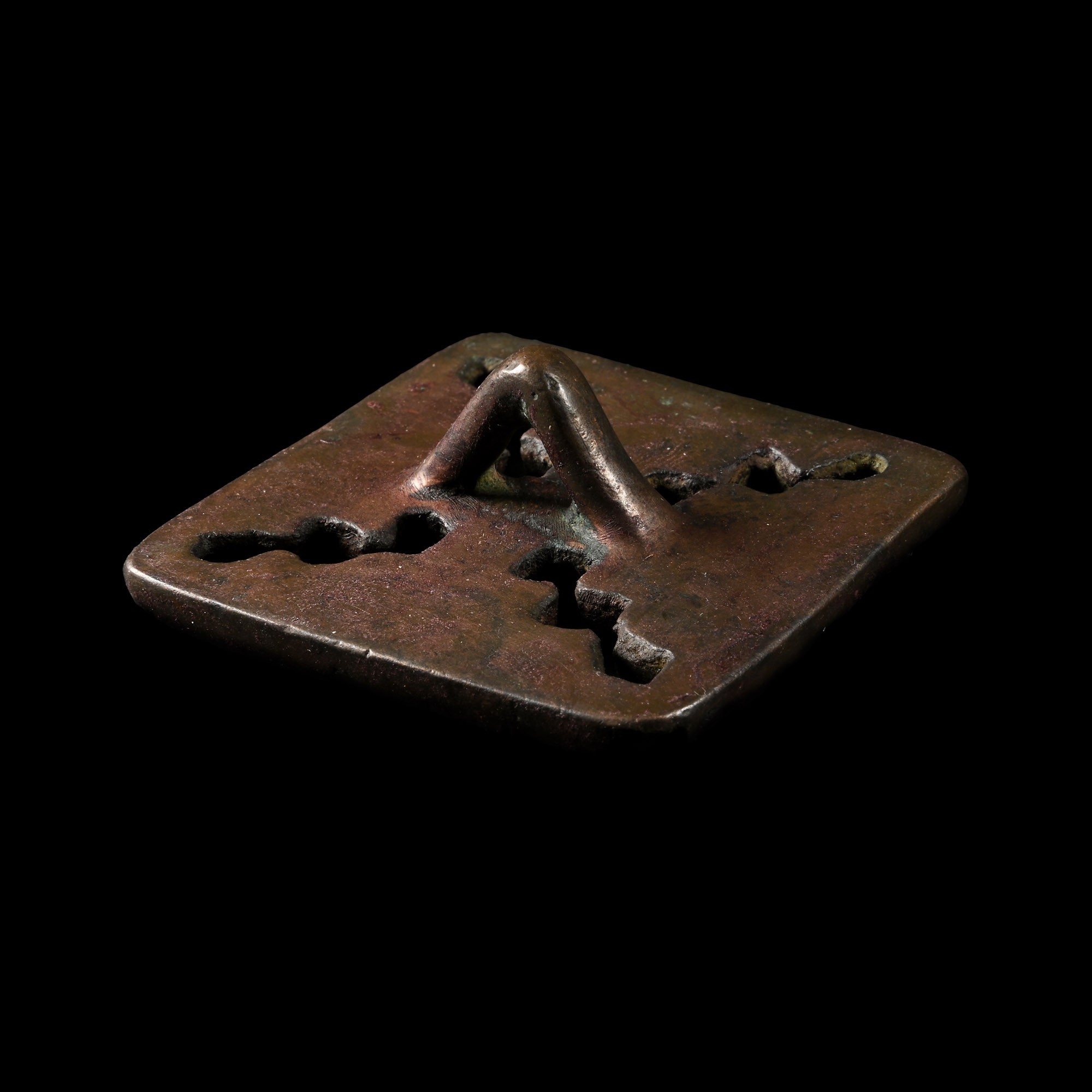
Very Large West Central Asian Bronze Stamp Seal Matrix with Stepped Cross
CIRCA 2300-2000 B.C.
2 3/8 in. (79 grams, 60 mm).
Square in plan with chevron handle, openwork stepped saltire design.
ProvenanceEx collection of a late London gentleman, 1990s.
CONDITIONTimeLine Auctions follows a vetting process to ensure the authenticity and legality of all items, reinforcing our commitment to integrity and responsible trading. Each antiquity, antique, and coin lot undergoes thorough examination by a vetting committee of at least ten external specialists, professional trade association members, scientists, and archaeologists: Our Vetting Process
AUCTIONS:
TimeLine is a leading auction house specialising in antiquities, ancient art, collectables, natural history, coins, medals, and books. Our auctions offer museums, collectors, historians, and enthusiasts the opportunity to acquire unique and historically significant pieces.
LOT 1189
Very Large West Central Asian Bronze Stamp Seal Matrix with Stepped Cross
Sold for (Inc. bp): £156
-
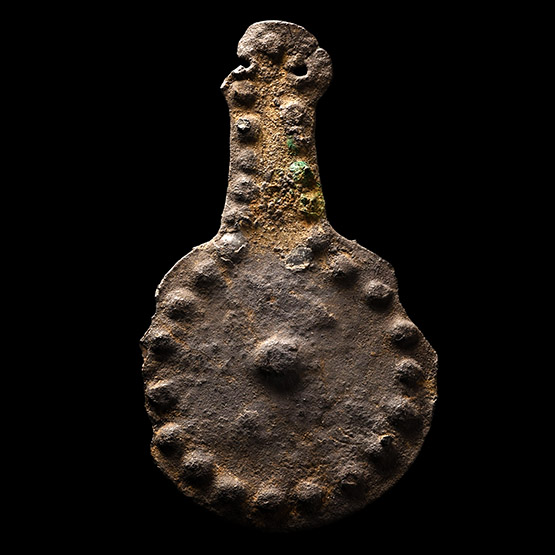
Early Bronze Age Silver Idol
Circa 2400-2100 B.C.Sold for (Inc. bp): £1,123
Violin-shaped with round body, long neck and stylised head, symbolising a female body, perforated with two holes at the top representing the eyes, embossed with dots around the perimeter. 5.34 grams, 62 mm
From a private family collection formed since the early 19th century, thence by descent. Property of a New Zealand legal professional. Accompanied by an academic report by Dr Raffaele D’Amato. This lot has been checked against the Interpol Database of stolen works of art and is accompanied by search certificate number no.12321-223719. -
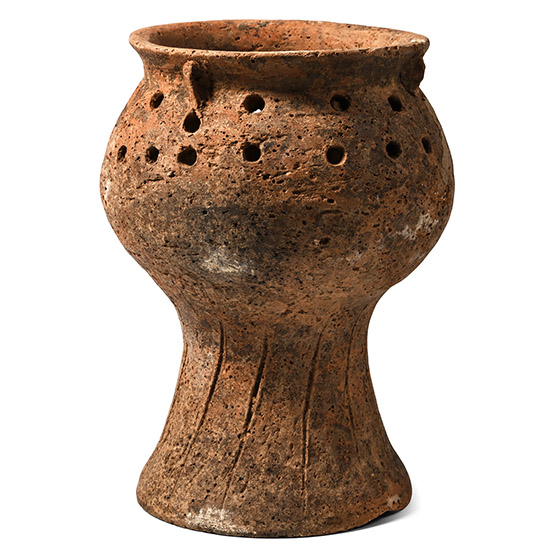
Western Asiatic Pierced Pottery Chalice
1st millennium B.C.Estimate: £100 - 140 (+bp*)
Opening Bid: £50
Comprising a hollow-formed flared foot with vertical slits, poppy-head bowl with everted rim supported by two small lugs; two rows of perforations at the shoulder. 460 grams, 14.5 cm
From the collection of a gentleman, 1988-2000s. -
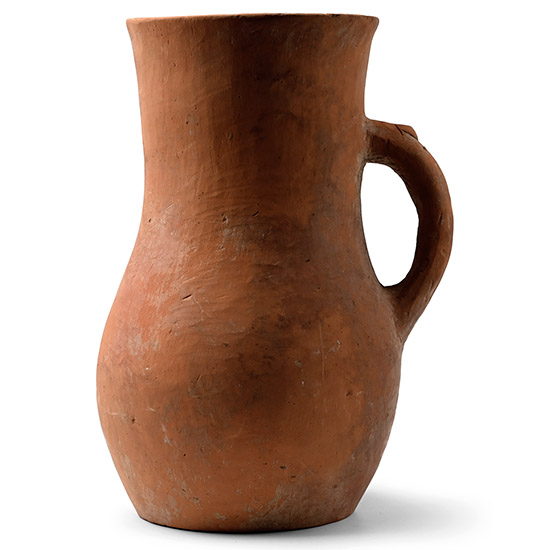
Amlash Terracotta Jug
1st millennium B.C.Sold for (Inc. bp): £124
With slender body and tall tubular neck, slightly flared rim to the mouth, single strap handle with applied thumb-pad. 735 grams, 19.5 cm
Acquired on the UK art market before 2000. Property of an Essex, UK, gentleman.
