
Loading, please wait...
LOT 1759
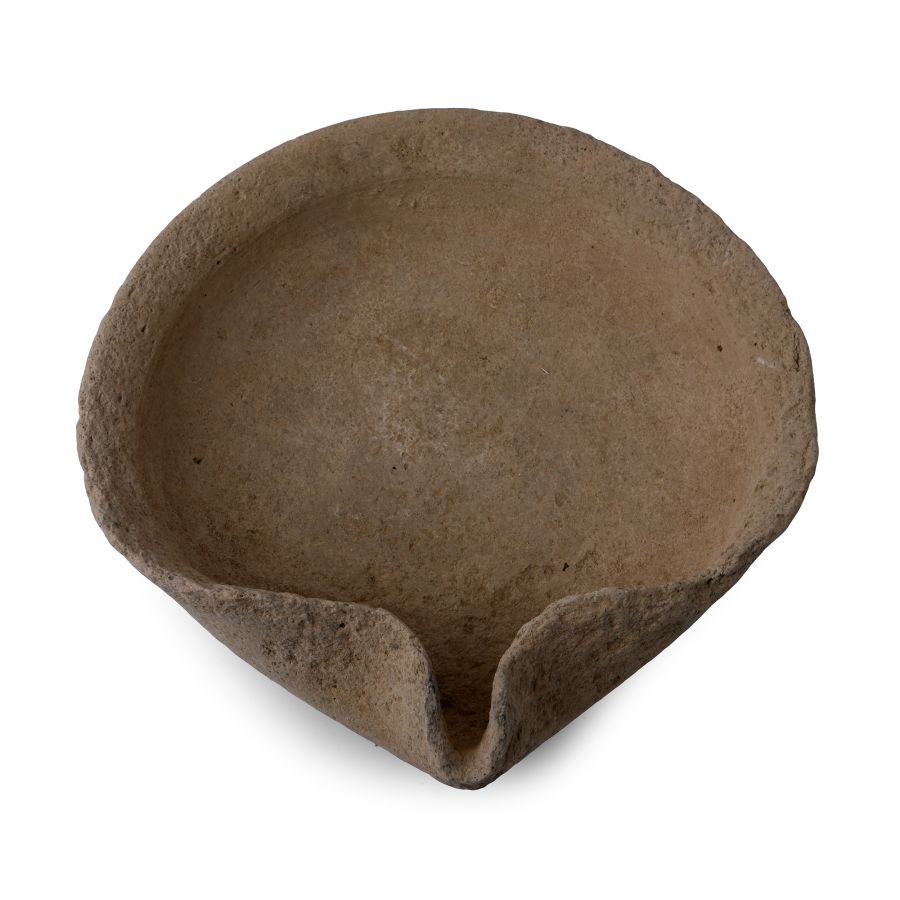
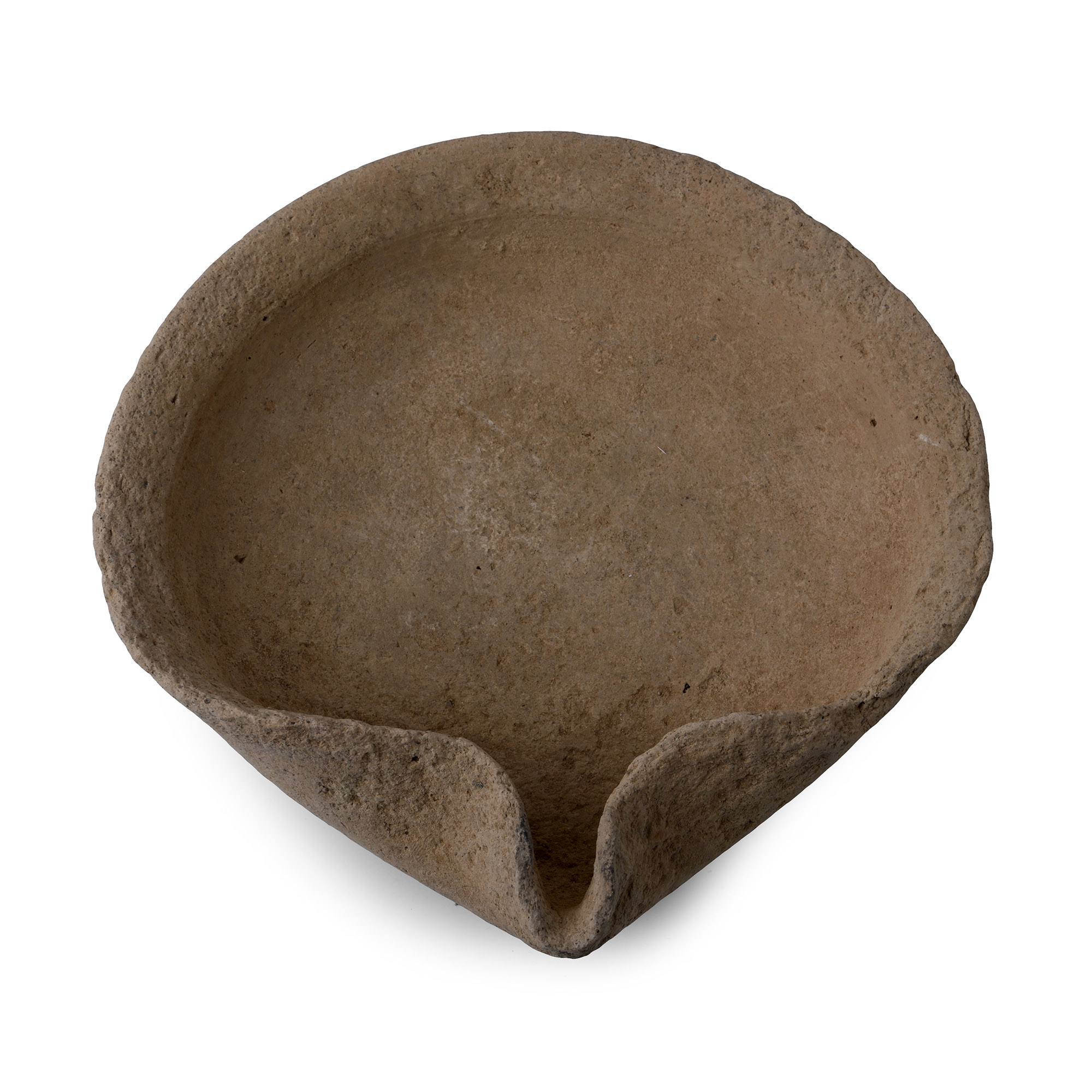
Very Large Holy Land Terracotta Pinched Rim Oil Lamp
IRON AGE, LATE 1ST MILLENNIUM B.C.
7 1/4 in. (425 grams, 18.4 cm).
Discoid in plan with flange rim and sidewall pinched to form a nozzle [No Reserve]
ProvenanceFrom the private collection of Mr Brian Edwards, New Malden, Surrey, UK, formed from the late 1970s-early 1980s; thence by descent, with collector's reference no.A26.
CONDITIONTimeLine Auctions follows a vetting process to ensure the authenticity and legality of all items, reinforcing our commitment to integrity and responsible trading. Each antiquity, antique, and coin lot undergoes thorough examination by a vetting committee of at least ten external specialists, professional trade association members, scientists, and archaeologists: Our Vetting Process
AUCTIONS:
TimeLine is a leading auction house specialising in antiquities, ancient art, collectables, natural history, coins, medals, and books. Our auctions offer museums, collectors, historians, and enthusiasts the opportunity to acquire unique and historically significant pieces.
-
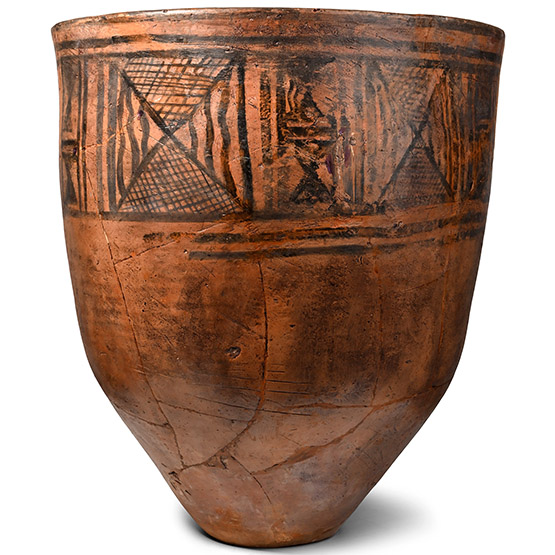
Monumental Western Asiatic Pottery Jar
Circa 3000 B.C.Sold for (Inc. bp): £1,170
Comprising a sharply tapering lower body, parallel-sided upper body and rounded rim; decorated in dark brown with thirteen square panels with central saltire on a hatched field; repaired. 17 kg, 64 cm high
with Mahboubian Gallery, London, UK, 1974. Private collection, London, UK. This lot has been checked against the Interpol Database of stolen works of art and is accompanied by search certificate number no.12972-245238. -
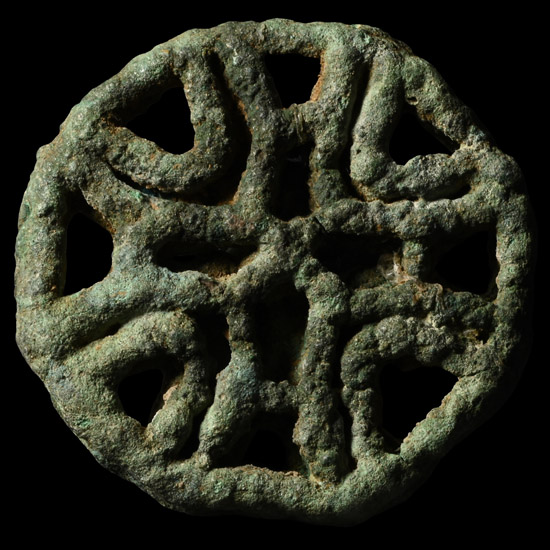
West Central Asian Bronze Stamp Seal with Cross
Bronze Age, circa 2300-2000 B.C.Sold for (Inc. bp): £20
Openwork type with voided cross and semicircles in the spandrels. 24.55 grams, 43.34 mm
From the private collection of a European gentleman (1942-2024), formed since the 1970s. -
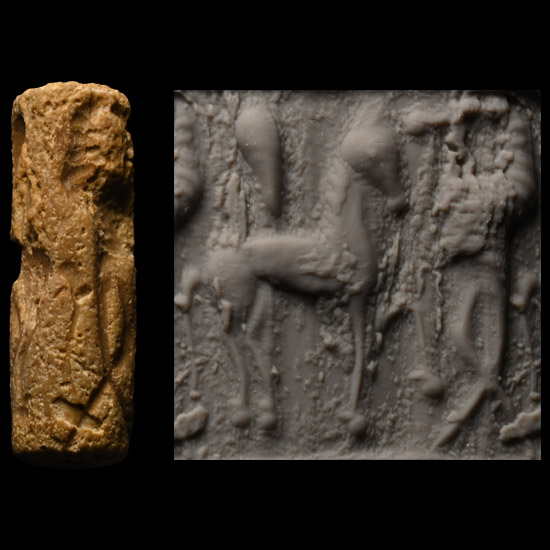
Western Asiatic Cream Stone Cylinder Seal with Horse
2nd-1st millennium B.C.Sold for (Inc. bp): £46
Carved with an advancing horse with elongated legs, a teardrop-shaped motif above; supplied with a museum-quality impression. 5.48 grams, 32 mm
From the collection of a Hertfordshire, UK, gentleman. Property of a West London, UK, gentleman.
