
Loading, please wait...
LOT 2350
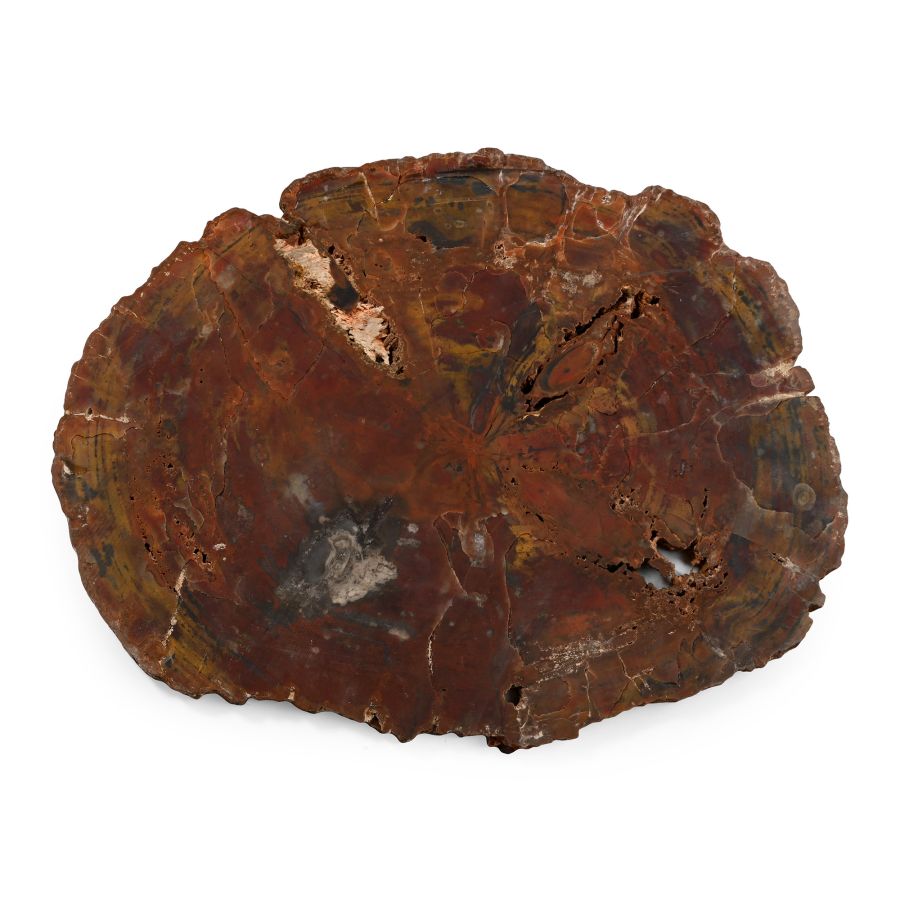
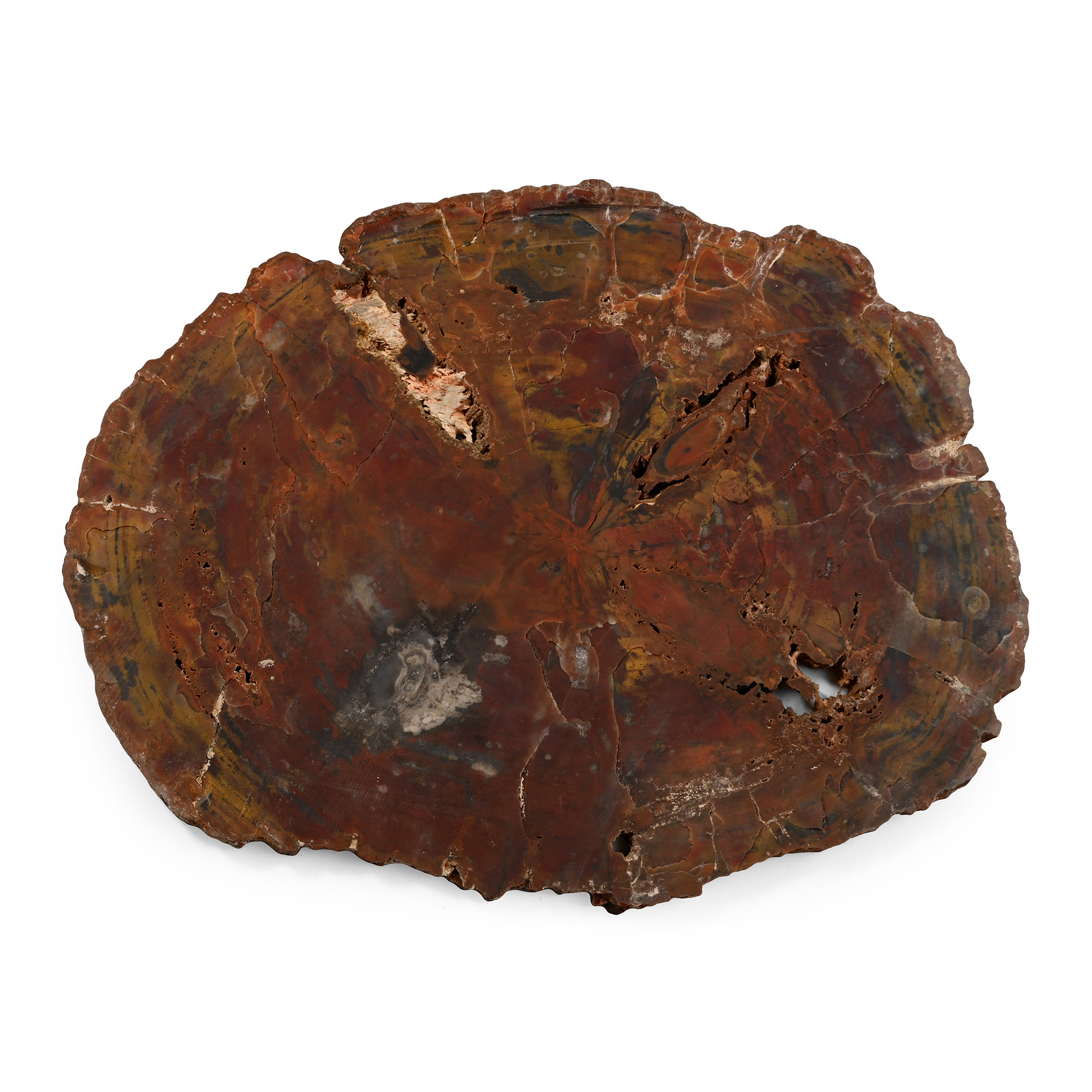
Very Large Cut Natural Unpolished Fossilised Tree Trunk Slice
TRIASSIC PERIOD, 251-199 MILLION YEARS B.P.
12 1/8 in. (1.54 kg, 30.9 cm).
Thick section of agatised wood showing some bark detailing on the outside. [No Reserve]
ProvenanceFrom Madagascar.
Ex Mineral Imports, London, UK.
Gregory, Bottley & Lloyd (Gregory's), Harwich, UK.
TimeLine Auctions follows a vetting process to ensure the authenticity and legality of all items, reinforcing our commitment to integrity and responsible trading. Each antiquity, antique, and coin lot undergoes thorough examination by a vetting committee of at least ten external specialists, professional trade association members, scientists, and archaeologists: Our Vetting Process
AUCTIONS:
TimeLine is a leading auction house specialising in antiquities, ancient art, collectables, natural history, coins, medals, and books. Our auctions offer museums, collectors, historians, and enthusiasts the opportunity to acquire unique and historically significant pieces.
LOT 2350
Very Large Cut Natural Unpolished Fossilised Tree Trunk Slice
Sold for (Inc. bp): £39
-
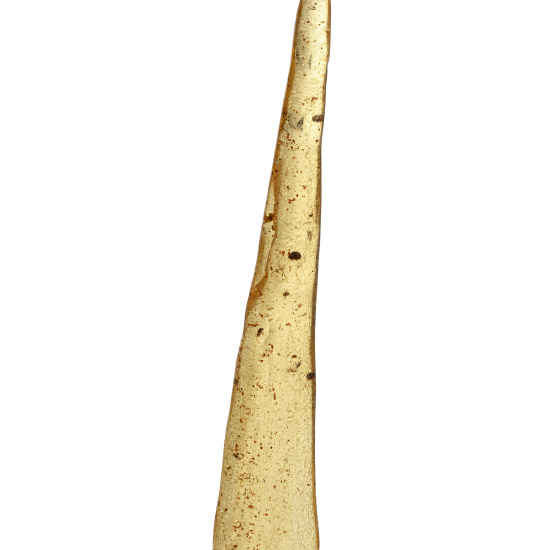
Polished Copal 'Spike' with Insects
Carboniferous Period, circa 3 million years B.P.Sold for (Inc. bp): £13
Tapering specimen with insect and other inclusions. 10.25 grams, 11.1 cm
From a Cambridgeshire, UK, collection. -
.jpg)
Polished Fossil Orthoceras Column
Devonian Period, circa 400 million years B.P.Sold for (Inc. bp): £13
Comprising variously sized polished Orthoceras sp. specimens on a textured freestanding matrix. 1.34 kg, 21.5 cm
From a Cambridgeshire, UK, collection. -
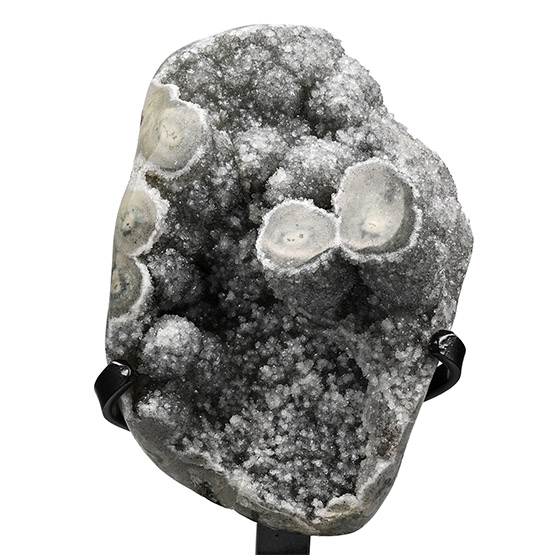
Druzy Quartz Geode Display
Circa 140-120 million years B.P.Sold for (Inc. bp): £1,235
An exquisite formation of grey and white druzy quartz on a geode section, a pair of cut stalagmite 'eyes' on one side with polished upper face showing the layered structure; mounted on a custom-made display stand. 3.85 kg, 23 x 18 x 15 cm, 29 cm including stand
From Artigas, Uruguay. Property of a London lady.
