
Loading, please wait...
LOT 1119
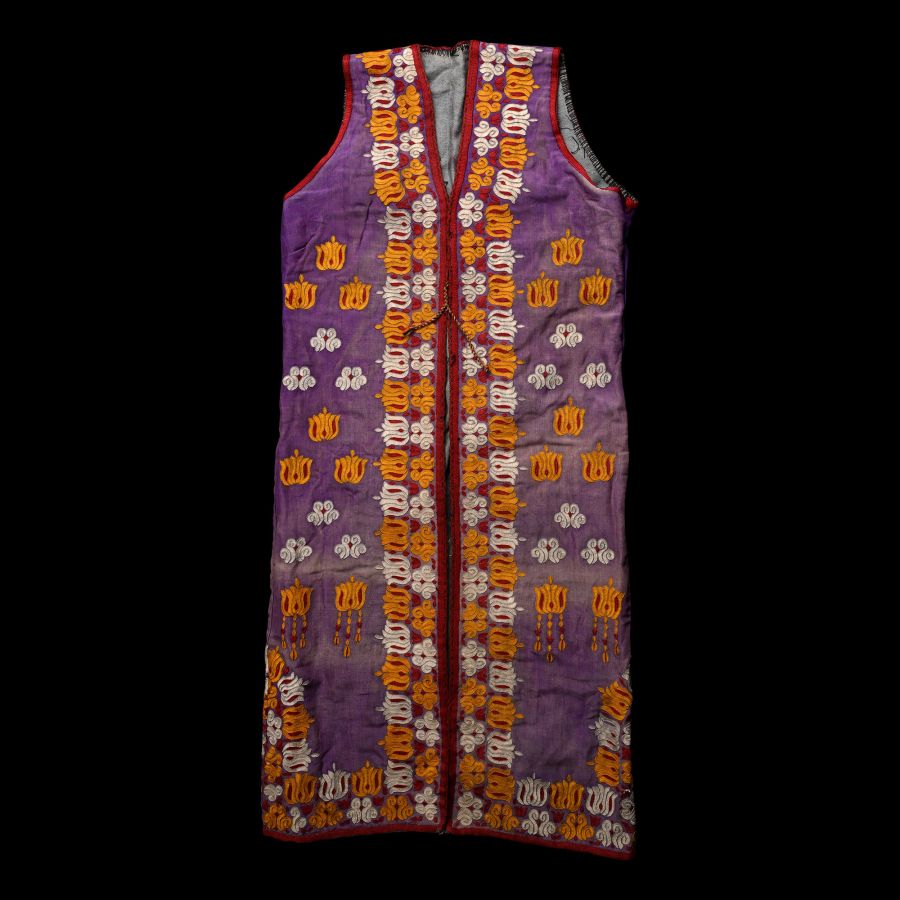
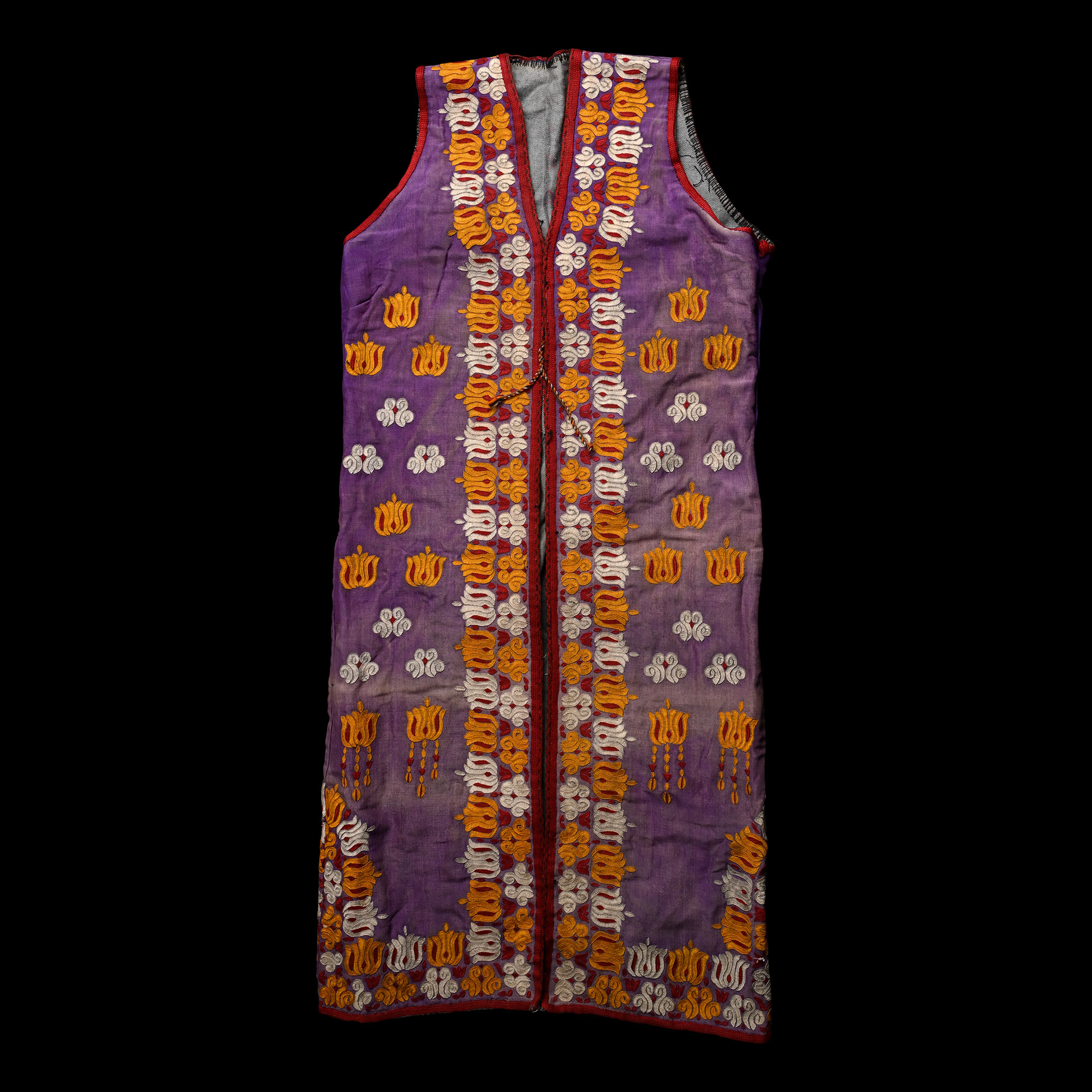
Uzbek Double-Sided Tunic
20TH CENTURY A.D.
45 in. (1.35 kg, 114.5 cm high).
Reversible type in plain purple trimmed with embroidered floral and scrolled elements, and plain grey cloth. [No Reserve]
ProvenancePrivate collection, UK.
CONDITIONTimeLine Auctions follows a vetting process to ensure the authenticity and legality of all items, reinforcing our commitment to integrity and responsible trading. Each antiquity, antique, and coin lot undergoes thorough examination by a vetting committee of at least ten external specialists, professional trade association members, scientists, and archaeologists: Our Vetting Process
AUCTIONS:
TimeLine is a leading auction house specialising in antiquities, ancient art, collectables, natural history, coins, medals, and books. Our auctions offer museums, collectors, historians, and enthusiasts the opportunity to acquire unique and historically significant pieces.
-
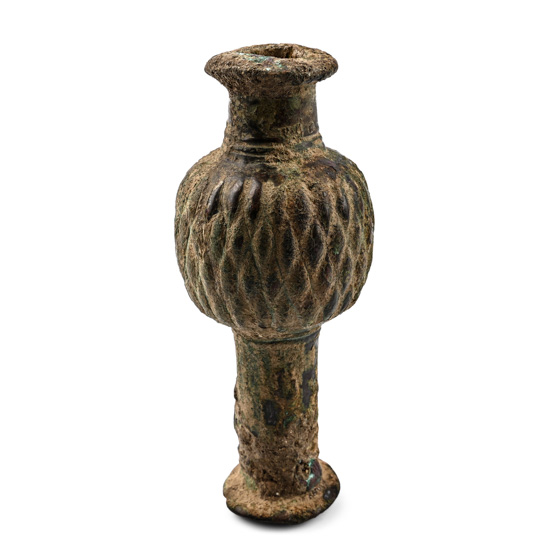
Elamite Bronze 'Pineapple' Macehead
Circa 2nd millennium B.C.Estimate: £400 - 600 (+bp*)
Opening Bid: £200
A hollow-formed tubular neck with flared rim and segmented collar, bulb above with deep latticework effect, tapering finial with trumpet-shaped flange collar. 273 grams, 12.6 cm
Acquired in the mid-1980s to early 1990s. Private collection, London, UK. -
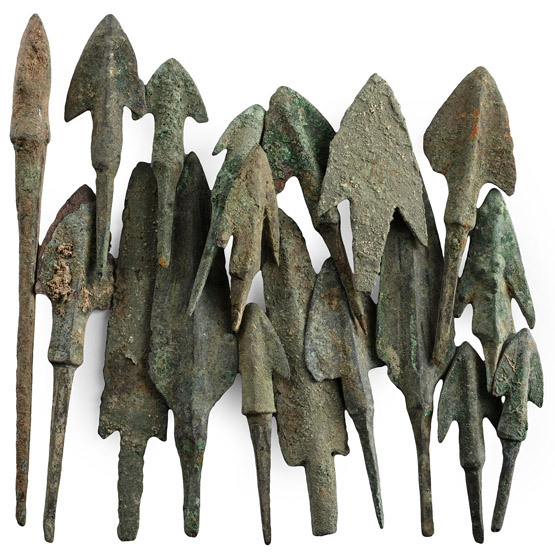
Western Asiatic Bronze Arrowhead Collection
1st millennium B.C.Sold for (Inc. bp): £130
Including tanged, barbed, square-section and other types. 150 grams total, 4.5-10.7 cm
Ex London, UK, collection, 1990s. -
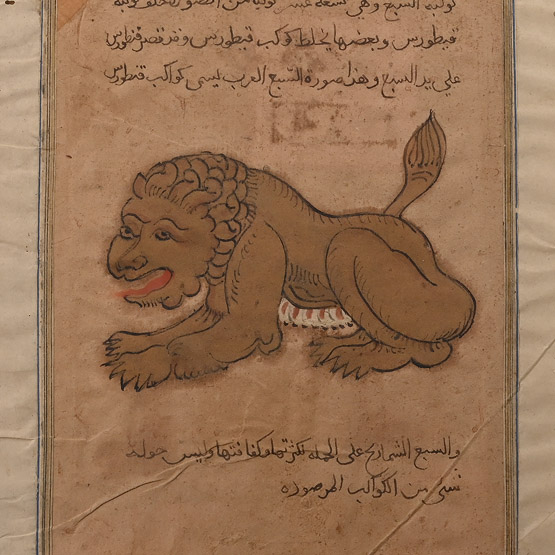
Framed Ottoman Painted Miniature Leaf with Lion
20th century A.D.Sold for (Inc. bp): £59
Rectangular hand-painted panel mounted in a reveal to display both sides: Side A - crouching lion between five lines of calligraphic text; Side B - geometric motifs between blocks of calligraphic text; mounted in a glazed wooden frame. 750 grams, 32.5 x 23.5 cm
Private collection, UK.
