Loading, please wait...
LOT 2090
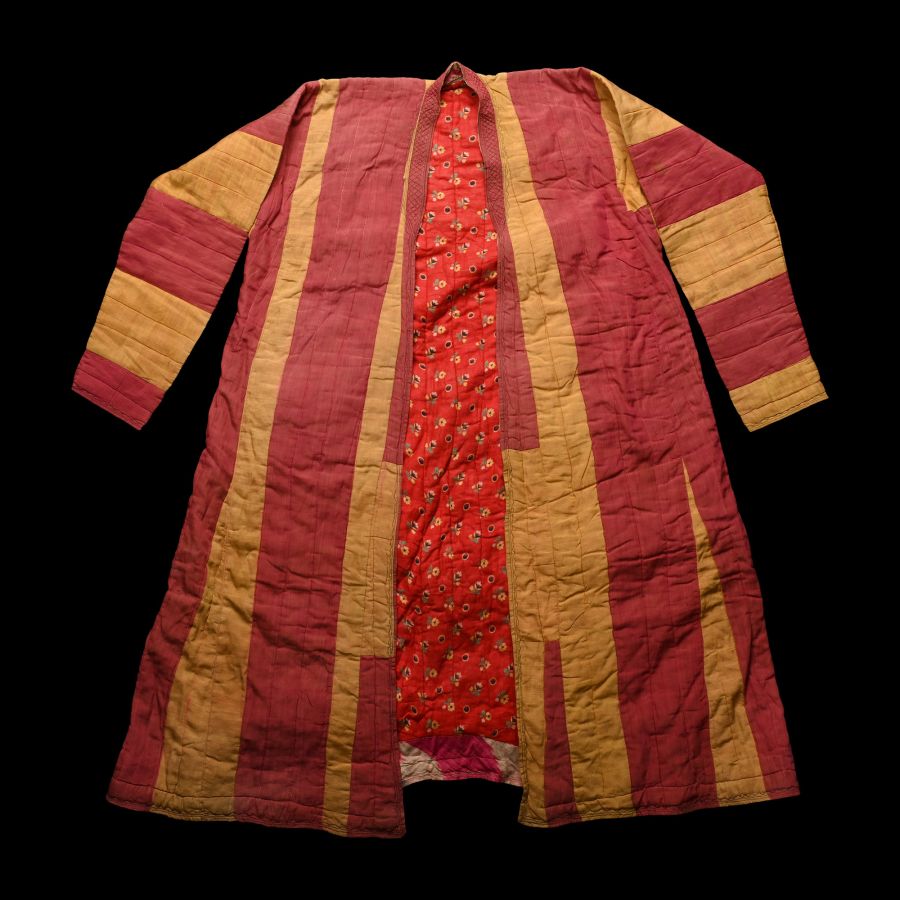
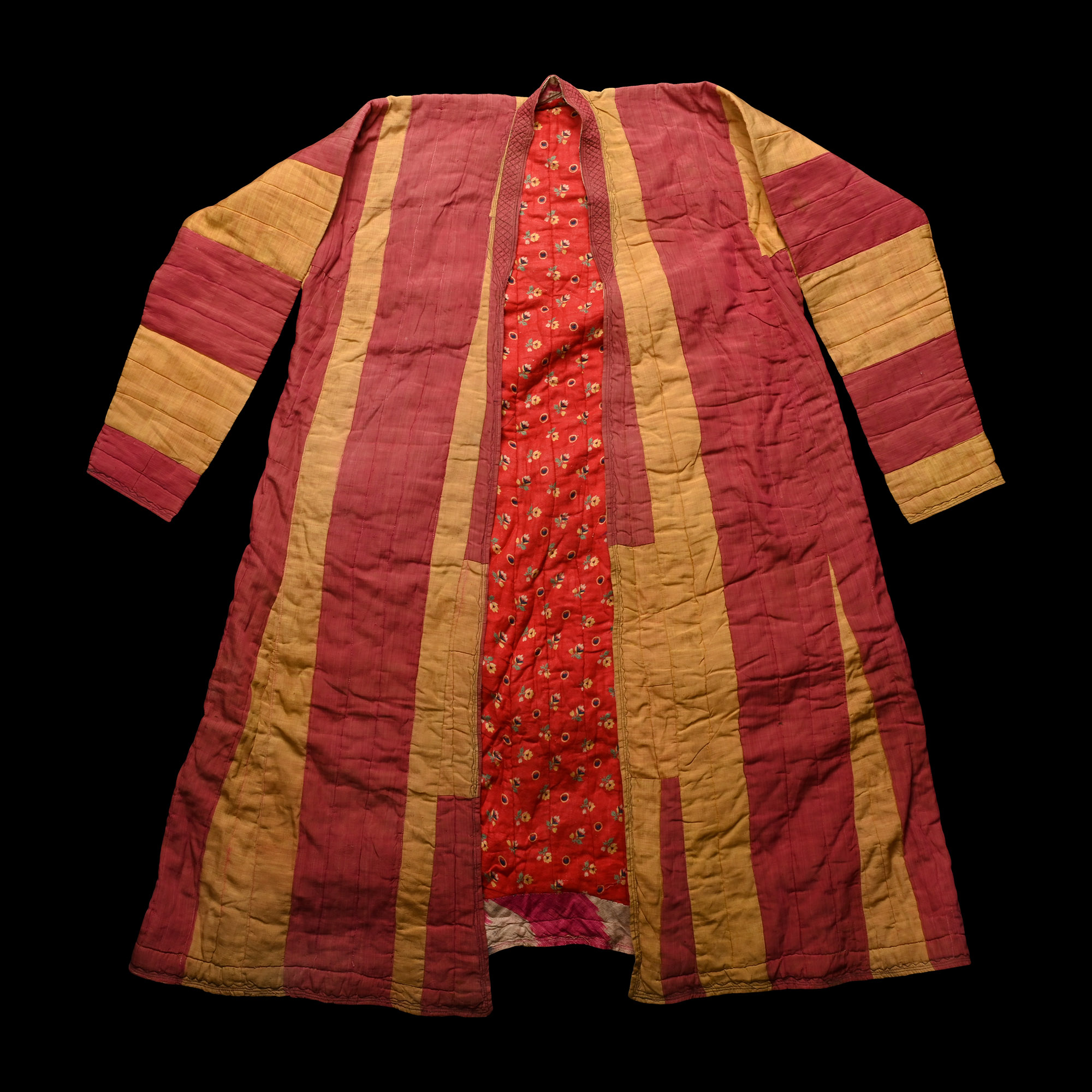
Uzbek Double-Sided Tunic
20TH CENTURY A.D.
44 1/2 in. (1 kg, 113 cm).
Reversible fabric sleeved garment with crimson and mustard panels to one side, printed floral fabric to reverse. [No Reserve]
ProvenancePrivate collection, UK.
CONDITIONTimeLine Auctions follows a vetting process to ensure the authenticity and legality of all items, reinforcing our commitment to integrity and responsible trading. Each antiquity, antique, and coin lot undergoes thorough examination by a vetting committee of at least ten external specialists, professional trade association members, scientists, and archaeologists: Our Vetting Process
AUCTIONS:
TimeLine is a leading auction house specialising in antiquities, ancient art, collectables, natural history, coins, medals, and books. Our auctions offer museums, collectors, historians, and enthusiasts the opportunity to acquire unique and historically significant pieces.
-
Tudor Period Silver Ring with 'Amuletic' Toad Stone
Western Europe, 16th century A.D.Sold for (Inc. bp): £5,720
Round-section hoop supporting a discoid bezel, claw setting with inset 'toadstone' amulet. 4.53 grams, 29.85 mm overall, 20.51 mm internal diameter (approximate size British T, USA 9 1/2, Europe 21.26, Japan 20)
Private collection, Europe. Acquired on the French art market. This lot has been checked against the Interpol Database of stolen works of art and is accompanied by search certificate no.13074-248390.
William Shakespeare’s As You Like It, circa. 1599; ‘Sweet are the uses of adversity, Which, like the toad, ugly and venomous, Wears a precious jewel in his head yet’. Toadstones are mythical stones that were thought to be found inside the head of a toad. They were believed to sweat, change colour or even heat up in the presence of poison. It was thought that a toadstone placed on bites from snakes, insects, spiders and shrews would extract poison from the wound. They were thought to bring good luck and ward off evil, whether in the present life or in the afterlife. The Book of Secrets from the 13th century recommends swallowing the stone to 'cleanse the bowels of filth and excrements'. The stone could then be retrieved and used again. They were often set as amulets and talismans, a practice that continued in Europe until the 18th century. Toadstones are actually the button-like fossilised teeth of Lepidotes, an extinct genus of fish common in the Jurassic and Cretaceous Periods, 200 to 100 million years ago. -
Western Asiatic Style Glazed Ceramic Gaming Piece Group
20th century A.D.Sold for (Inc. bp): £208
Comprising a bell-shaped pawn with pellet detailing; a standing knight with sword and teardrop shield; a mounted knight with spear and shield. 226 grams total, 44-85 mm
Private collection, UK. -
Post Medieval Marble Portrait of the Greek Goddess Hera
17th-18th century A.D.Sold for (Inc. bp): £5,980
Modelled in the round with gracile features, braided hair, arched diadem to the brow. 32 kg, 42 cm high including stand
Private collection, England. This lot has been checked against the Interpol Database of stolen works of art and is accompanied by search certificate no.13081-249676.
The type of sculpture seems to be inspired by the type of the Barberini Hera, a Roman copy from the imperial age, today in the Chiaramonti Museum (Vatican Museums). The sculpture was discovered by the antiquarian Leonardo Agostini in the late 17th century, during excavations on the Viminal Hill. The site was located beneath the convent affiliated with the church of San Lorenzo in Panisperna, an area known to have hosted the ancient Baths of Olympiades. Its identification as the Barberini Hera was established by its early owner, Cardinal Francesco Barberini.