
Loading, please wait...
LOT 1408
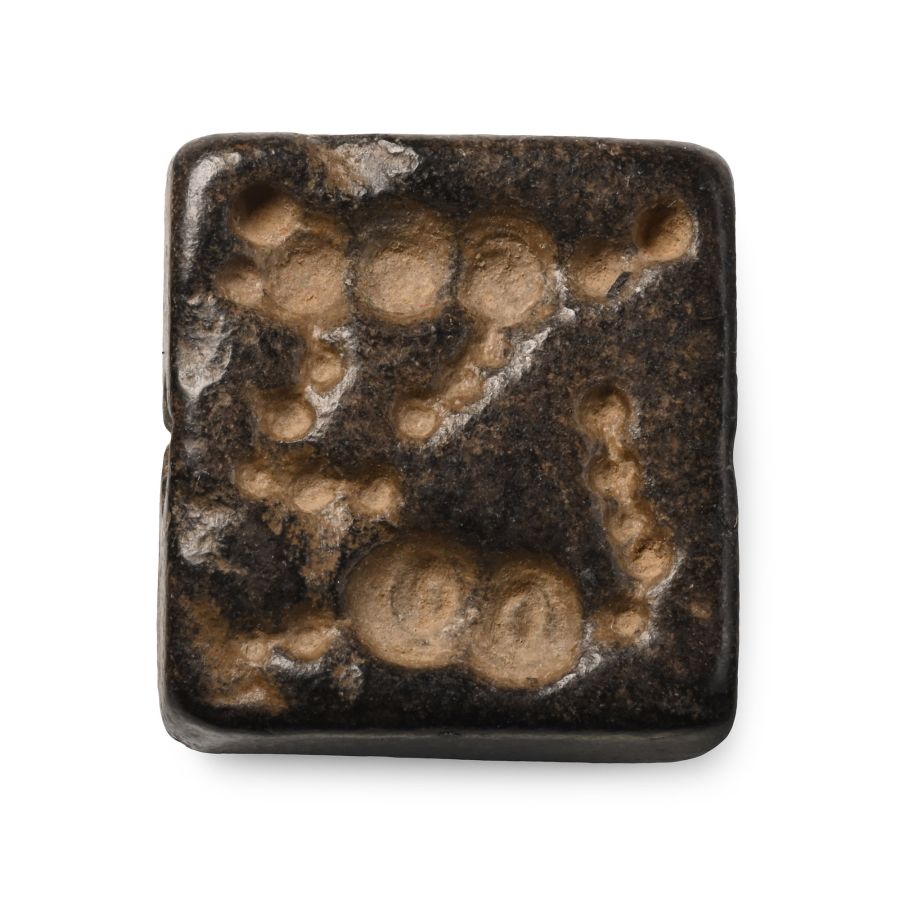
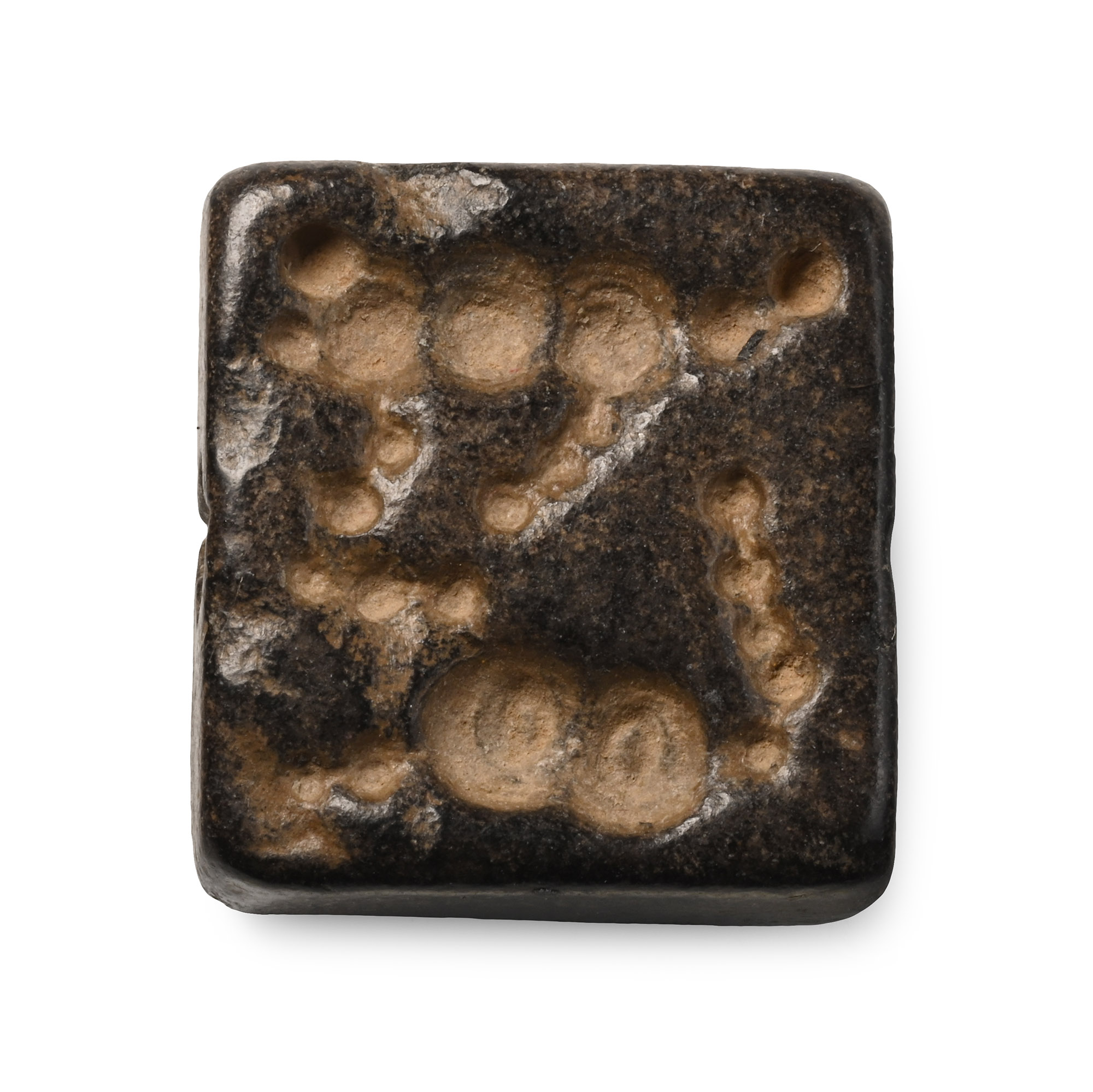
Uruk Stone Stamp Seal
4TH-3RD MILLENNIUM B.C.
1 in. (13.15 grams, 27 mm).
Square in plan with incuse standing quadruped motif.
ProvenanceEx 'S' collection, London, UK, 1970s-1990s.
Accompanied by a copy of a previous illustrated catalogue slip.
TimeLine Auctions follows a vetting process to ensure the authenticity and legality of all items, reinforcing our commitment to integrity and responsible trading. Each antiquity, antique, and coin lot undergoes thorough examination by a vetting committee of at least ten external specialists, professional trade association members, scientists, and archaeologists: Our Vetting Process
AUCTIONS:
TimeLine is a leading auction house specialising in antiquities, ancient art, collectables, natural history, coins, medals, and books. Our auctions offer museums, collectors, historians, and enthusiasts the opportunity to acquire unique and historically significant pieces.
-
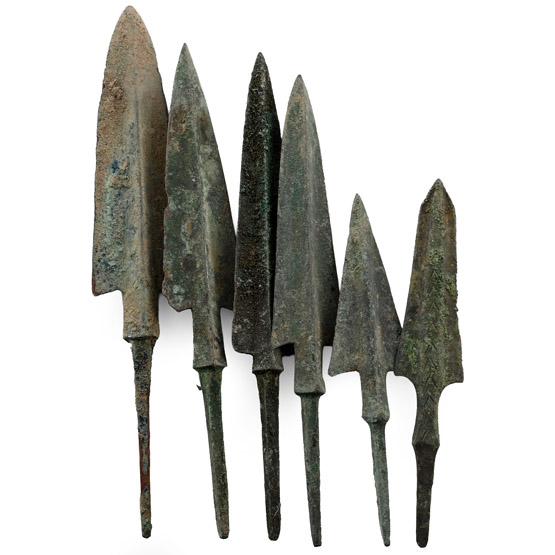
Western Asiatic Bronze Arrowhead Collection
1st millennium B.C.Sold for (Inc. bp): £130
Each a narrow barbed-and-tanged type with a thick midrib. 180 grams total, 10.2-15.7 cm
Ex London, UK, collection, 1990s. -
.jpg)
Sasanian Chalcedony Stamp Seal
5th-7th century A.D.Estimate: £300 - 400 (+bp*)
Opening Bid: £150
Plano-conves in section with suspension hole, incuse image of two nude men holding three spears in their outstretched hands, dog below. 35.8 grams, 32 mm
Private collection, England. -
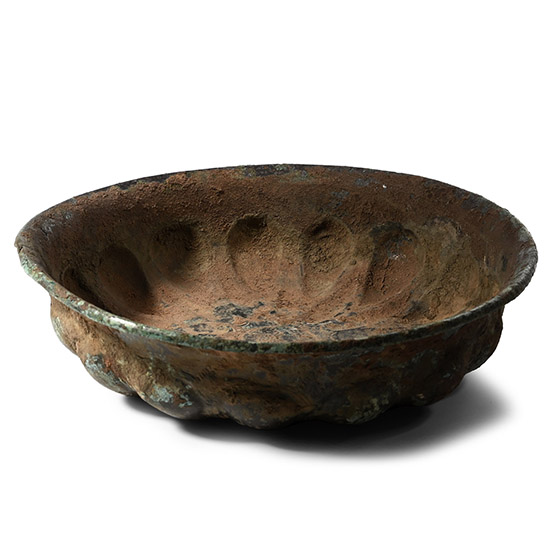
Achaemenid Bronze Phiale with Boss
500-400 B.C.Sold for (Inc. bp): £780
Broad lotiform bowl with everted and turned rim, domed mesomphalos. 298 grams, 16.5 cm
Acquired in the mid 1980s-1990s. Private collection, Switzerland, thence by descent. Private collection, since the late 1990s.
