
Loading, please wait...
LOT 0220
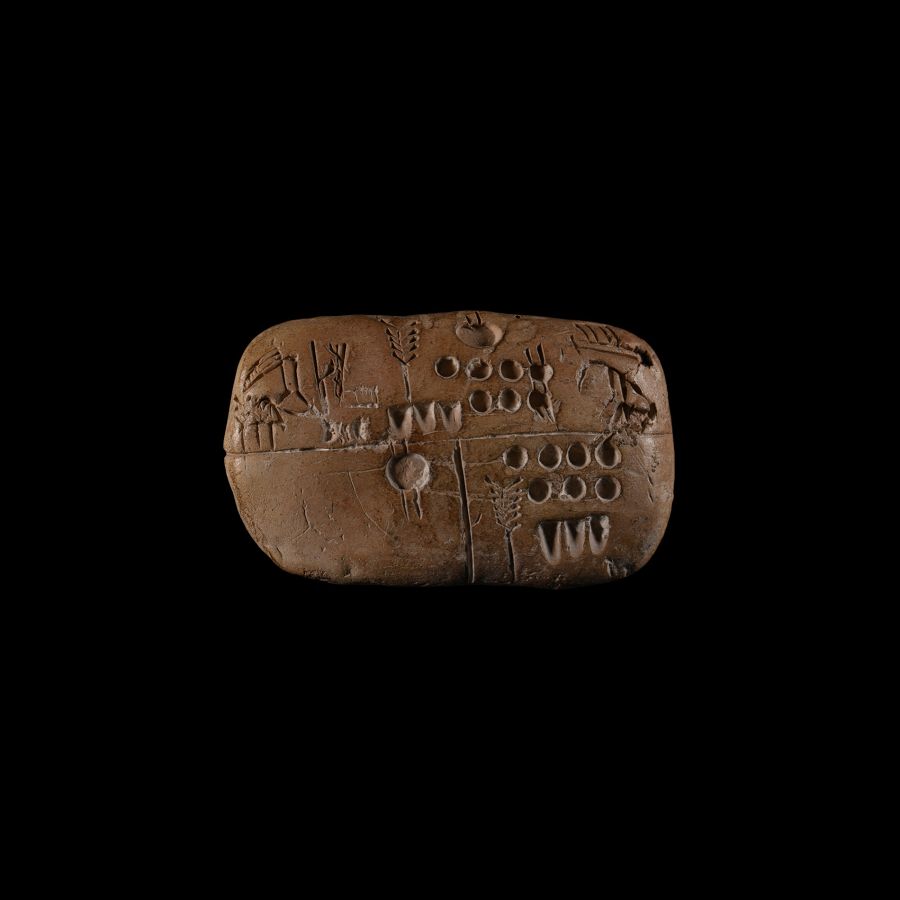
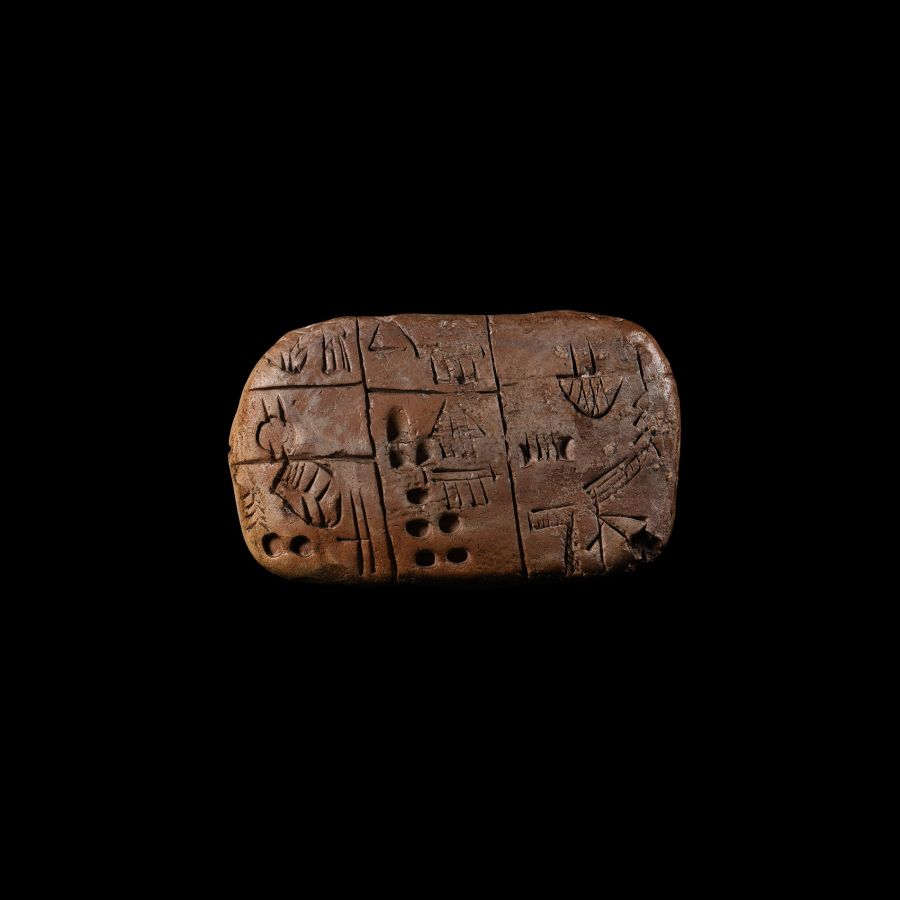
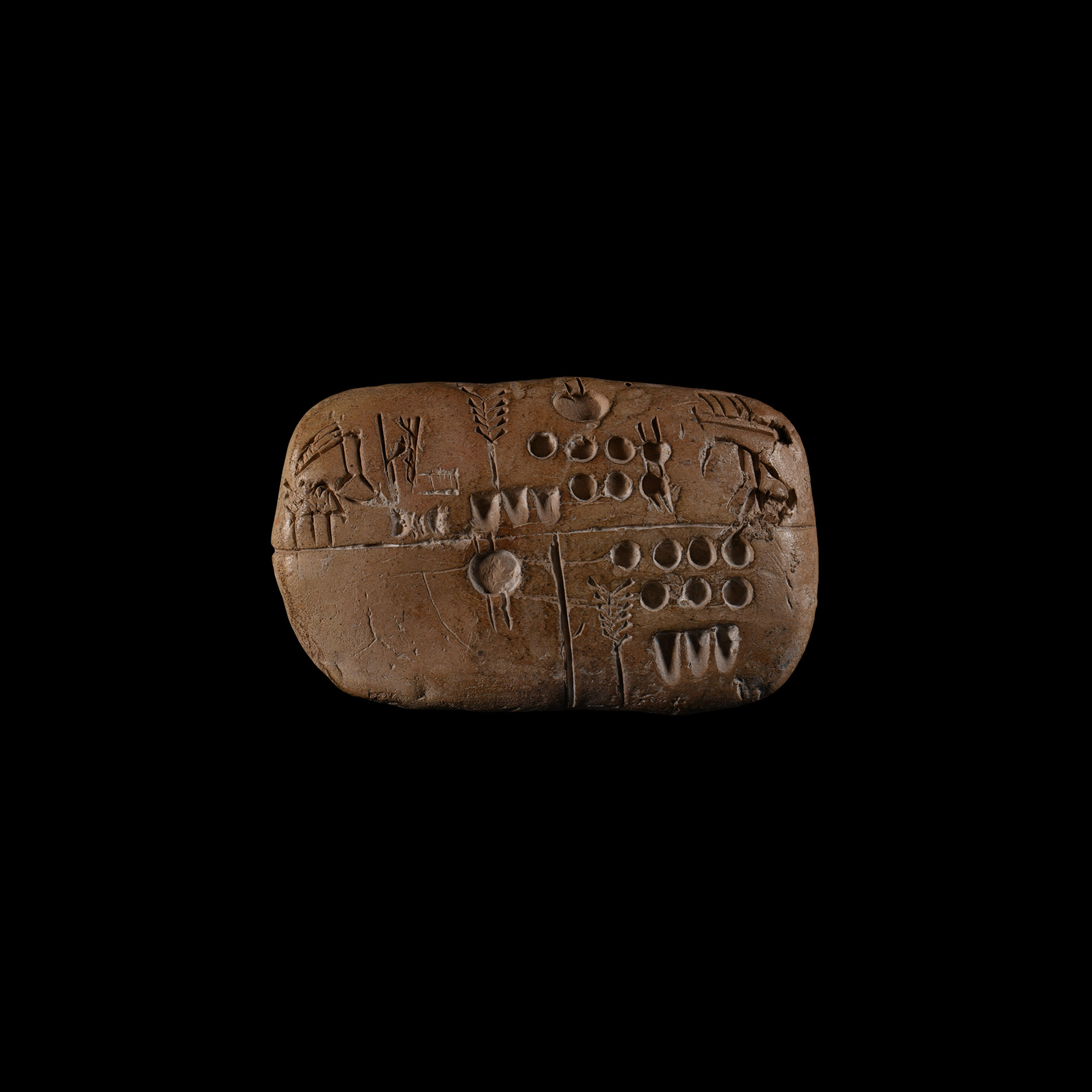
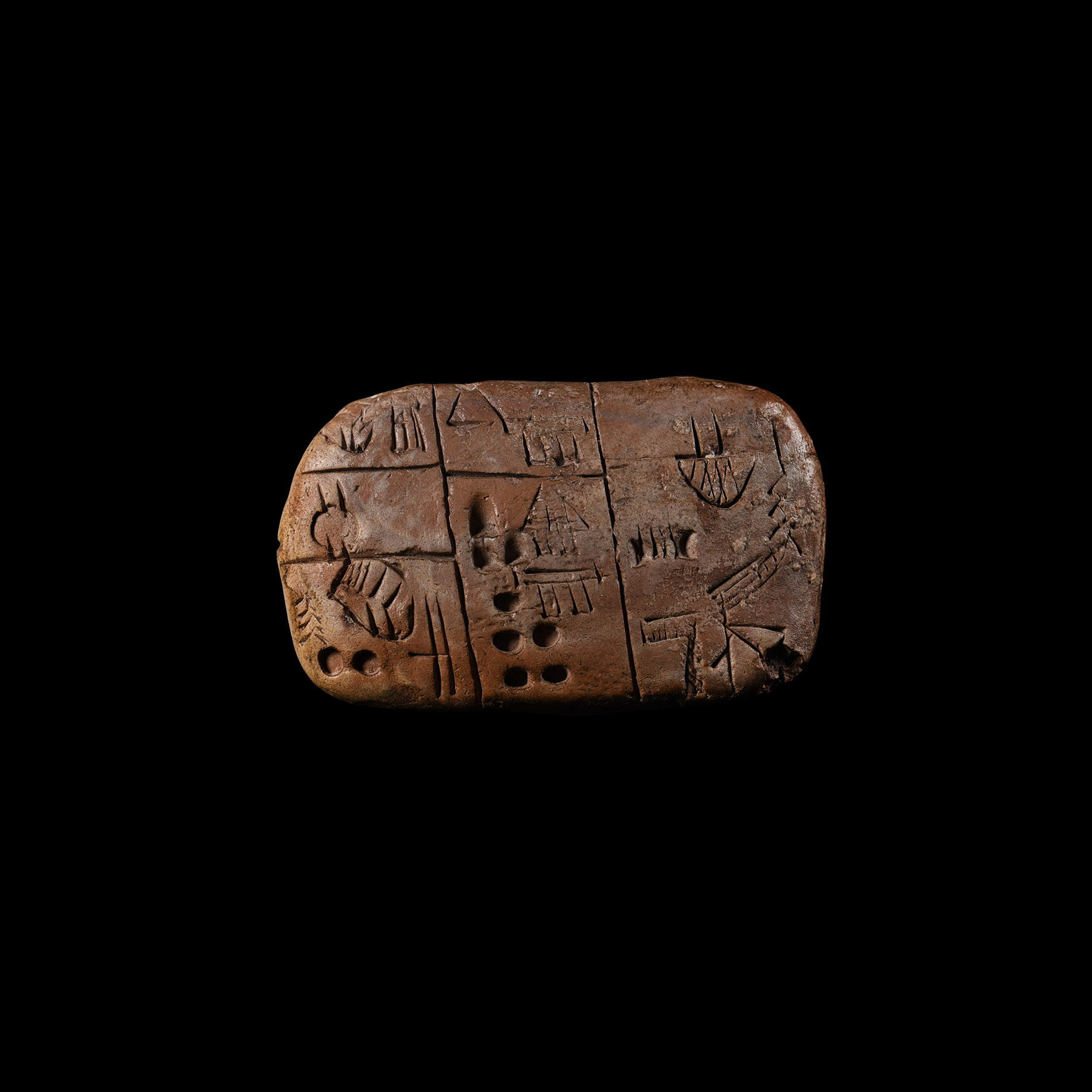
Uruk Clay Pictographic Tablet with Economic Text Relating to Farm Produce
MID 2ND MILLENNIUM B.C.
2 5/8 in. (43.6 grams, 66 mm).
Written on two faces; lentoid cross-section.
ProvenanceSpecialised collection of cuneiform texts, the property of a London gentleman and housed in London before 1992.
Thence by descent to family members.
Examined by Professor Wilfrid George Lambert FBA (1926-2011), historian, archaeologist, and specialist in Assyriology and Near Eastern archaeology, in the late 1980s and early 1990s.
The collection is exceptional for the variety of types, including some very rare and well preserved examples.
This lot has been checked against the Interpol Database of stolen works of art and is accompanied by search certificate number no.11870-201160.
TimeLine Auctions follows a vetting process to ensure the authenticity and legality of all items, reinforcing our commitment to integrity and responsible trading. Each antiquity, antique, and coin lot undergoes thorough examination by a vetting committee of at least ten external specialists, professional trade association members, scientists, and archaeologists: Our Vetting Process
AUCTIONS:
TimeLine is a leading auction house specialising in antiquities, ancient art, collectables, natural history, coins, medals, and books. Our auctions offer museums, collectors, historians, and enthusiasts the opportunity to acquire unique and historically significant pieces.
LOT 0220
Uruk Clay Pictographic Tablet with Economic Text Relating to Farm Produce
Sold for (Inc. bp): £4,160
-
Western Asiatic White Stone Bead Necklace
Circa 1st millennium B.C.Sold for (Inc. bp): £26
Restrung; composed of drum-shaped stone beads in various shades. 12.8 grams, 64 cm long
UK gallery, early 2000s. -
Nabataean White Ground Dish with Painted Foliage
1st century B.C.-1st century A.D.Estimate: £700 - 900 (+bp*)
Opening Bid: £375
Squat dish with conical profile, flange rim; finely detailed painted foliage to the inner face; very rare. 117 grams, 15 cm wide
From the important family collection of the late M.N., pre 1992. -
.jpg)
Western Asiatic Bronze Openwork Lamp Stand
Circa 12th century A.D.Estimate: £700 - 900 (+bp*)
Opening Bid: £350
Hollow-formed with openwork bulb to each end and narrow columnar shaft with openwork and calligraphic detailing in low relief; discoid platter with raised rim and pierced lobes, central knotwork motif; tripod base with openwork dome and low-relief scrollwork; repaired. 1.9 kg, 52.5 cm high
with a London, UK gallery 1971-early 2000s.
