
Loading, please wait...

LOT 1366
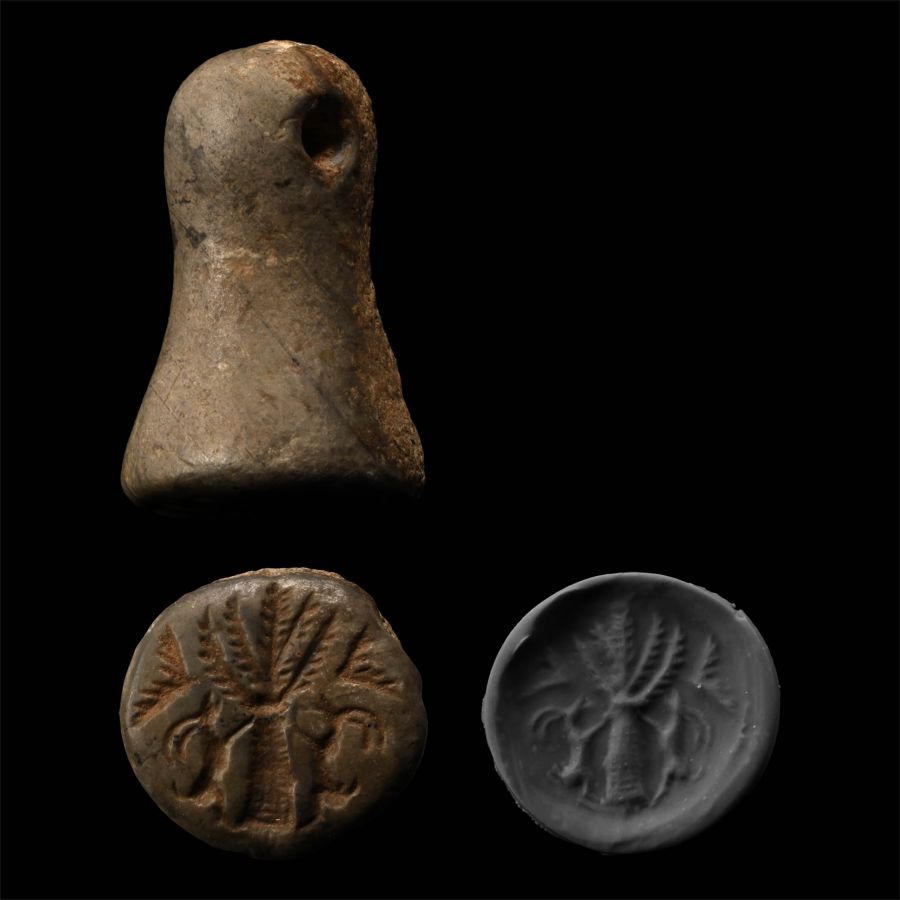
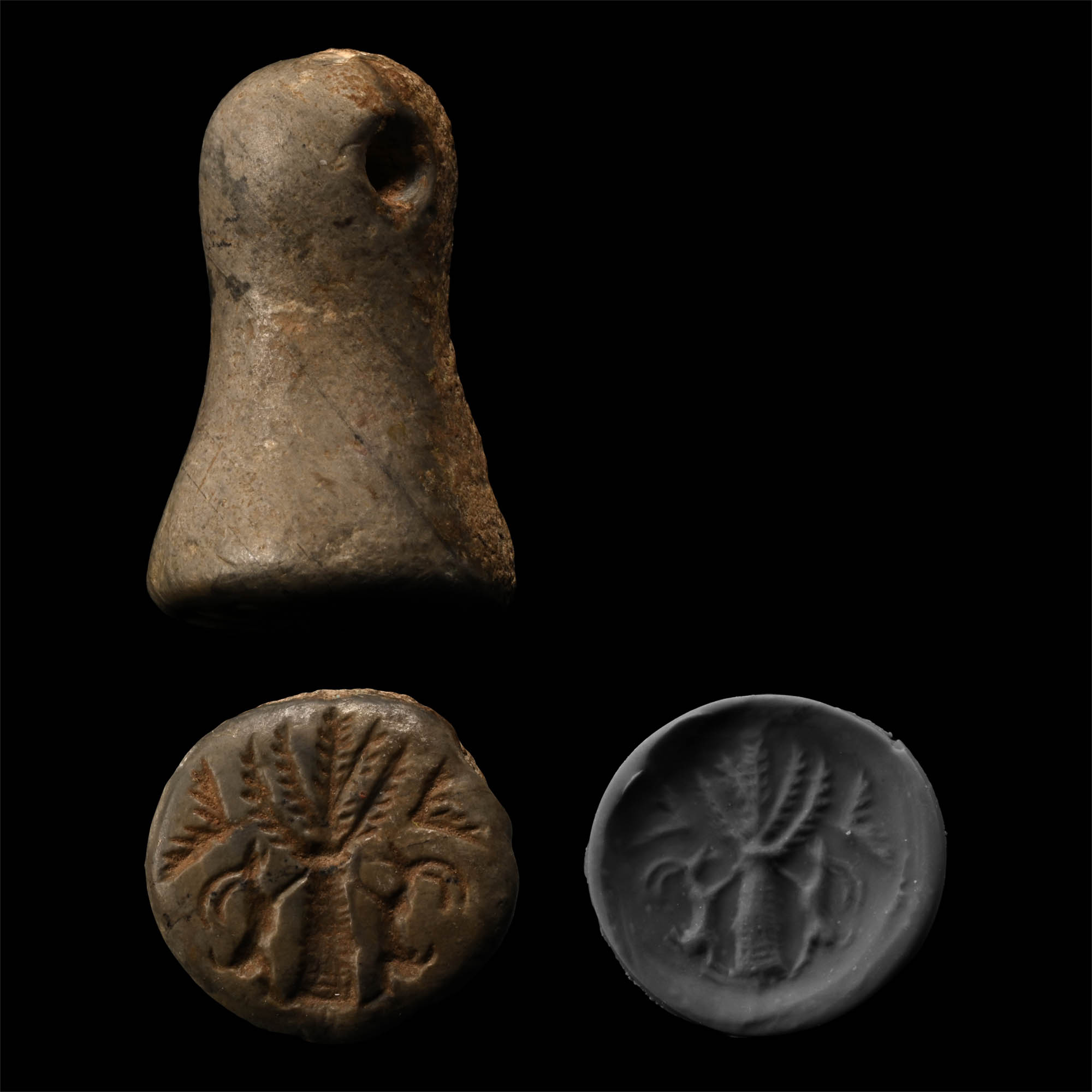
Urartu Grey Stone Stamp Seal
1ST MILLENNIUM B.C.
1 1/2 in. (26.4 grams, 39 mm).
Conical in profile with pierced lug handle; intaglio figure of the 'Tree of Life' with lateral rampant ibexes.
ProvenanceFrom the collection of Mr S.M., London, UK, formed from 1979-1999.
CONDITIONTimeLine Auctions follows a vetting process to ensure the authenticity and legality of all items, reinforcing our commitment to integrity and responsible trading. Each antiquity, antique, and coin lot undergoes thorough examination by a vetting committee of at least ten external specialists, professional trade association members, scientists, and archaeologists: Our Vetting Process
AUCTIONS:
TimeLine is a leading auction house specialising in antiquities, ancient art, collectables, natural history, coins, medals, and books. Our auctions offer museums, collectors, historians, and enthusiasts the opportunity to acquire unique and historically significant pieces.
LOT 1366
Urartu Grey Stone Stamp Seal
Estimate £200 - 300€230 - 350 (for guidance only)$270 - 410 (for guidance only)
-
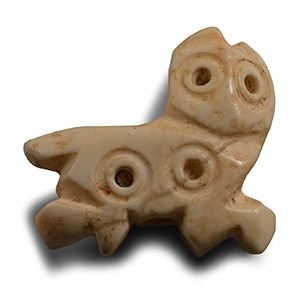
Jemdet Nasr Type White Stone Reclining Animal Amulet
3rd millennium B.C.Sold for (Inc. bp): £247
Carved with the head facing and the body in profile; the, eyes indicated by drilled dots within circles, two similar dots on body; pierced vertically. 4.3 grams, 24 mm
From the collection of Mr S.M., London, UK, formed from 1979-1999.
The eyes and spots were intended to be inlaid with a material in a contrasting colour. -
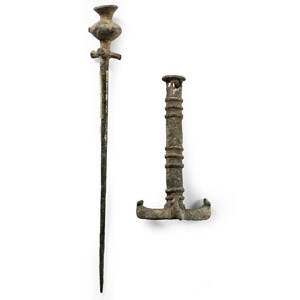
Luristan Animal-Footed Stand and Pin
13th-7th century B.C.Sold for (Inc. bp): £130
Comprising: a ribbed tubular stand with radiating legs, beast-head finials; dress-pin with poppy-head final and three radiating lugs. 134 grams total, 10-20 cm
Acquired 1980-2015. Ex Abelita family collection. -
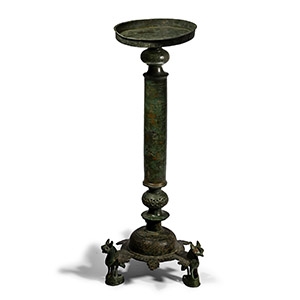
Western Asiatic Bronze Stand with Animal Feet
12th-13th century A.D.Sold for (Inc. bp): £2,015
Hollow-formed with openwork columnar shaft and low-relief calligraphic bands, bulb to each end; broad discoid platter with raised rim; tripod base with low-relief knotwork to the dome and crouching animal to each foot. 3.25 kg, 64 cm
Acquired in Iran, 1960s-1970s. Kept in the UK since 1981. Private collection, London, UK.
