
Loading, please wait...
LOT 0105
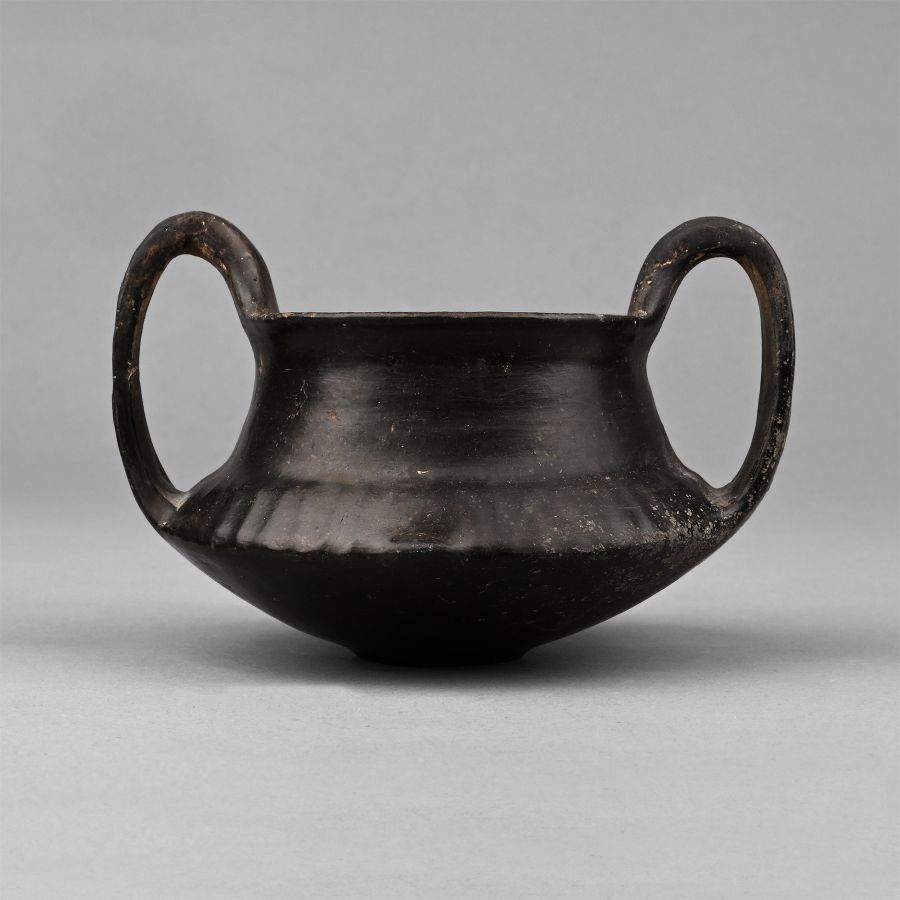
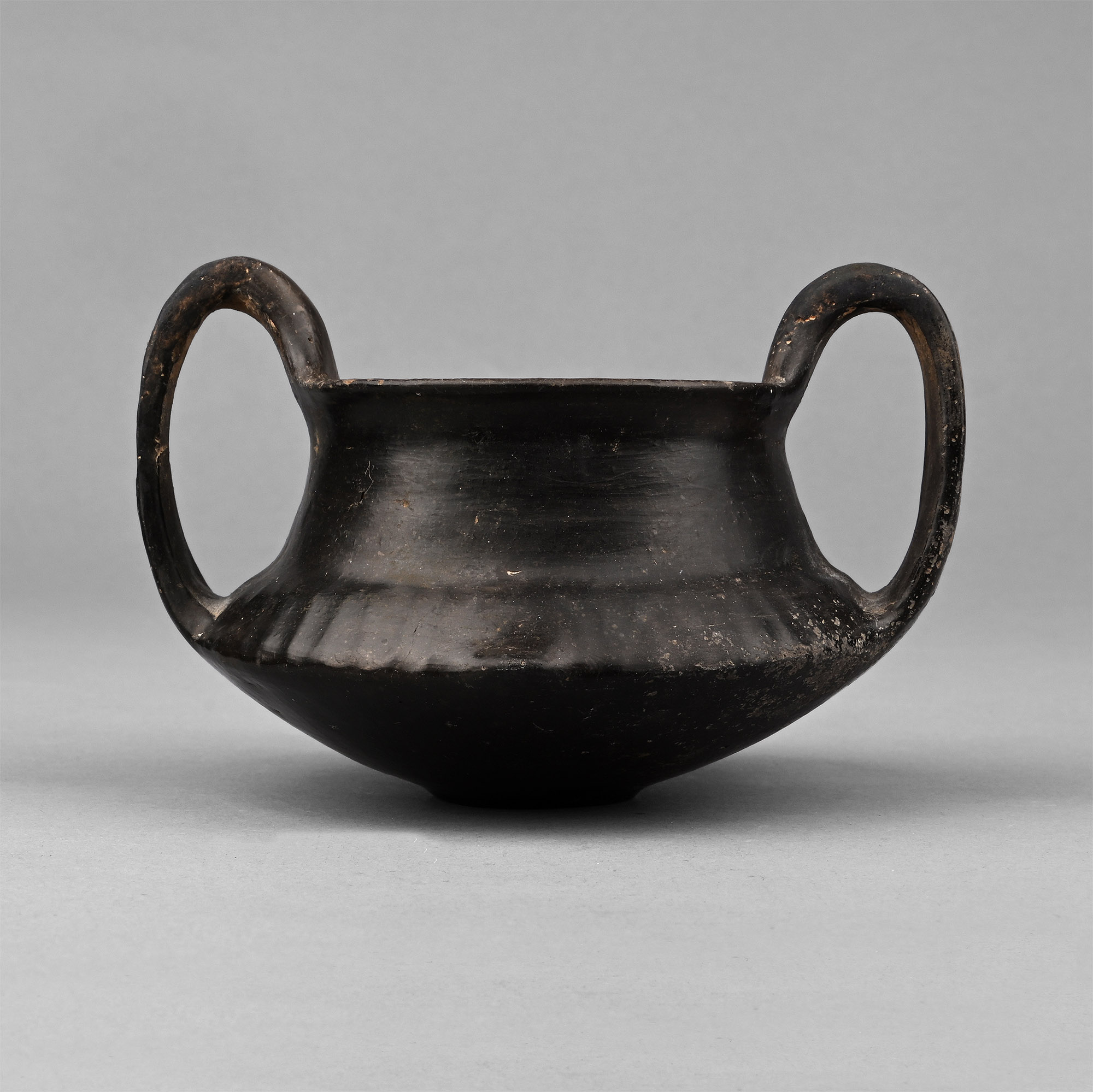
Two-handled Villanova Bowl
8TH-7TH CENTURY B.C.
5 1/4 in. (221 grams, 13.4 cm wide).
A squat vessel with a small base, raised neck and slightly projecting rim, carinated shoulder with two projecting bosses and a pair of high strap handles.
ProvenanceOld Basel private collection.
Elsa Bloch-Diener, Antike Kunst, Bern, 27 July 1990.
Private collection, Bern, Switzerland.
Private collection, UK.
Cf. The Israel Museum, item 84.81.464.
CONDITIONTimeLine Auctions follows a vetting process to ensure the authenticity and legality of all items, reinforcing our commitment to integrity and responsible trading. Each antiquity, antique, and coin lot undergoes thorough examination by a vetting committee of at least ten external specialists, professional trade association members, scientists, and archaeologists: Our Vetting Process
AUCTIONS:
TimeLine is a leading auction house specialising in antiquities, ancient art, collectables, natural history, coins, medals, and books. Our auctions offer museums, collectors, historians, and enthusiasts the opportunity to acquire unique and historically significant pieces.
-
.jpg)
Parthian Terracotta Horse-Head Finial
2nd-3rd century A.D.Sold for (Inc. bp): £247
A hollow-formed horse-head finial with ribbed mane to the arched neck, elaborate bridle strap detail. 62 grams, 79.5 mm
Fine condition.
From an important central London collection formed since the mid 1960s; thence by descent. From the private collection of John Meredith, acquired since the 1990s; thence by descent. -
.jpg)
Greek Attic Red-Figure Kylix Fragment Depicting a Lyre Player
Early 5th century B.C.Sold for (Inc. bp): £234
Irregular fragment depicting a draped figure playing a lyre, possibly Apollo; meander line to the reverse. 7.25 grams, 42 mm
From the stock of a former UK antiquarian, acquired at trade fairs and from private collection formed in the 1980s-1990s. Private collection, Europe. -
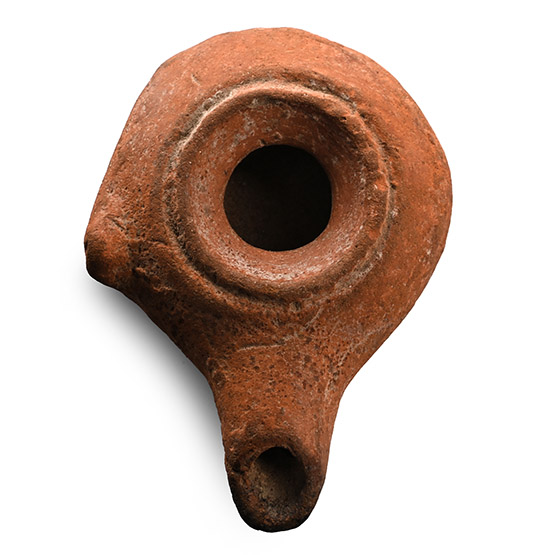
Greek Terracotta Oil Lamp
Hellenistic, circa 3rd-2nd century B.C.Sold for (Inc. bp): £39
Rounded body with large central filler hole and pointed lug on the shoulder, the rim with a low-relief ovolo decoration, elongated nozzle with scooped nozzle; low basal ring.; old collector's label 'MH1932'. 34 grams, 65 mm
From an old West Country, UK, collection, sold at auction. From the private collection of a West Midlands lady collector.
