
Loading, please wait...
LOT 0728
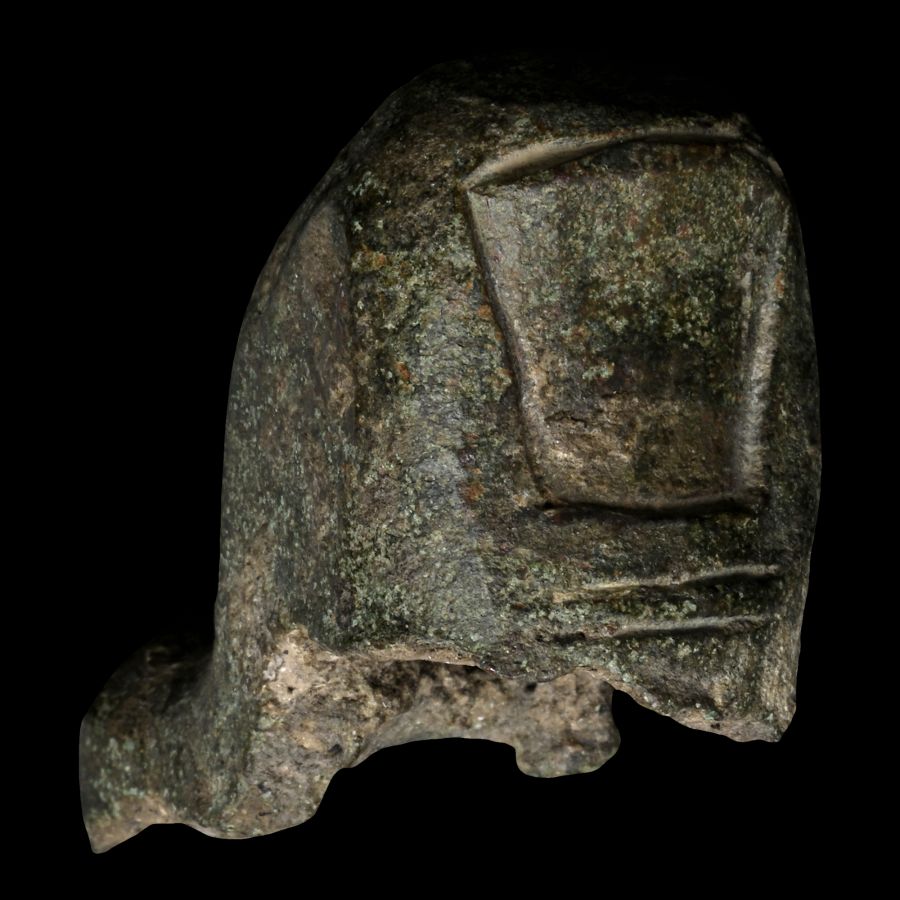
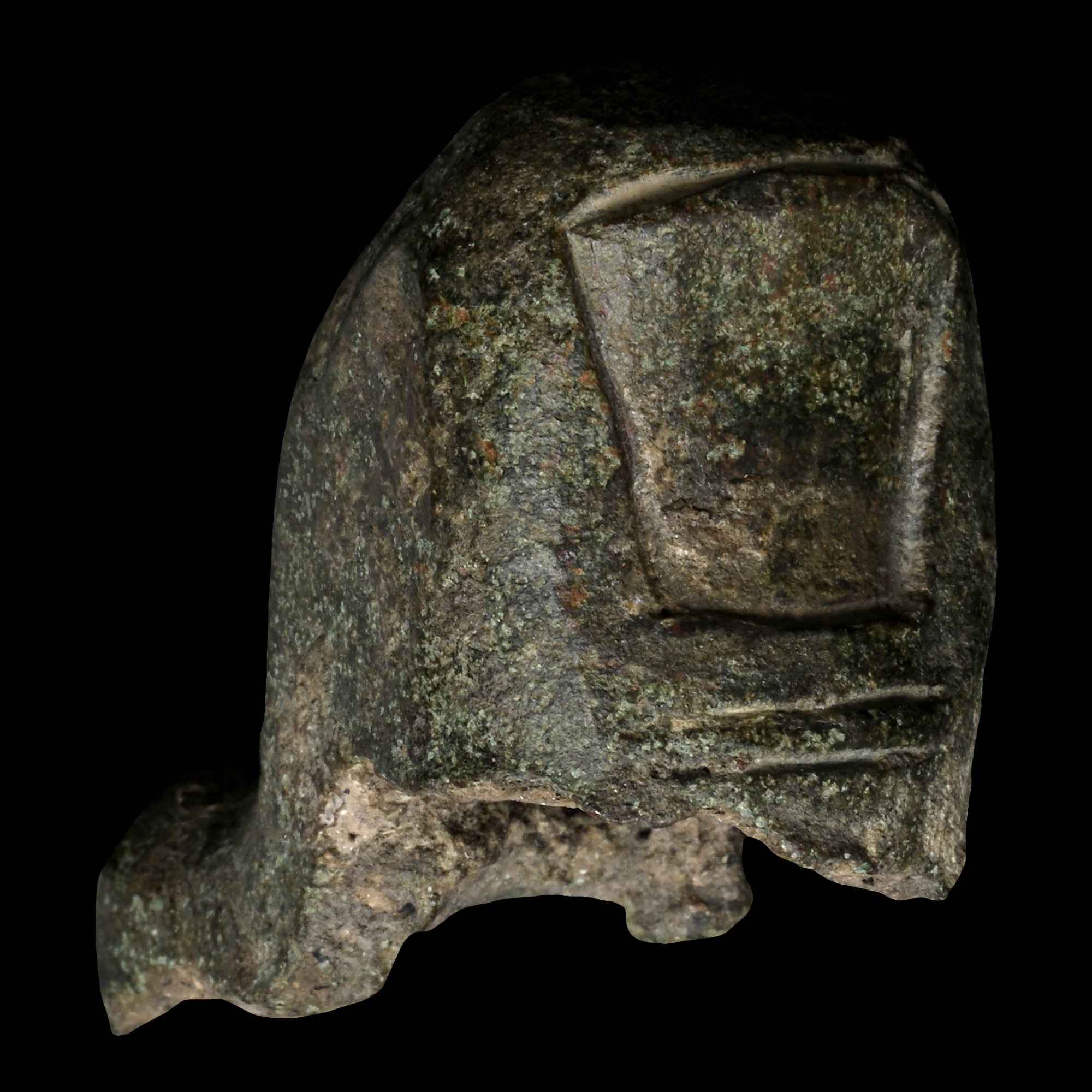
Twice Life-Size Roman Bronze Statue Thumb
1ST-4TH CENTURY A.D.
2 3/8 in. (163 grams, 61 mm).
The tip of a flexed thumb with nail detailing, two creases beneath the nail. [No Reserve]
ProvenanceFrom the private collection of a European gentleman (1942-2024), formed since the 1970s.
CONDITIONTimeLine Auctions follows a vetting process to ensure the authenticity and legality of all items, reinforcing our commitment to integrity and responsible trading. Each antiquity, antique, and coin lot undergoes thorough examination by a vetting committee of at least ten external specialists, professional trade association members, scientists, and archaeologists: Our Vetting Process
AUCTIONS:
TimeLine is a leading auction house specialising in antiquities, ancient art, collectables, natural history, coins, medals, and books. Our auctions offer museums, collectors, historians, and enthusiasts the opportunity to acquire unique and historically significant pieces.
-
.jpg)
Roman Wooden Wax Tablets from a Codex
Circa 2nd-3rd century A.D.Sold for (Inc. bp): £9,100
Two well-preserved rectangular wax tablets of a polyptych, each made of dark hardwood, probably acacia; the inner leaf in two adjoining parts, with recessed panels on both sides, covered with dark layers of wax; the second is the rear cover of the polyptych, with a recessed wax covered writing panel to the inner face, the outer face flat and not inscribed; both tablets with two pairs of holes on the left frame for linking them together; remains of stylus engraved Greek script on all three writing panels; on the second tablet 11 lines in cursive Greek script, mentioning inter alia a gymnasiarchos, a local magistrate in Roman Egypt, probably from an accounting codex. 263 grams total, 18.6 x 17 cm
Property of a North London gentleman; previously in the Dean family collection since 1975. Accompanied by a copy of an illustrated academic report by Professor Dr phil. Peter Rothenhöfer. This lot has been checked against the Interpol Database of stolen works of art and is accompanied by search certificate number no.13177-248472.
Wax tablets written in Greek or Latin, were used by Romans as account registers (codices accepti et expensi); for transactions (for example, the tablets of the banker Lucius Caecilius Iucundus found in Pompeii); for lists of goods, inventories, and notes to be kept and archived; for Roman magistrates to annotate the salient events of their bureaucratical activities; for writing letters; for drawing up legal texts of various kinds: legacies, declarations of births and citizenship, reports of trials and diplomata militaria. -
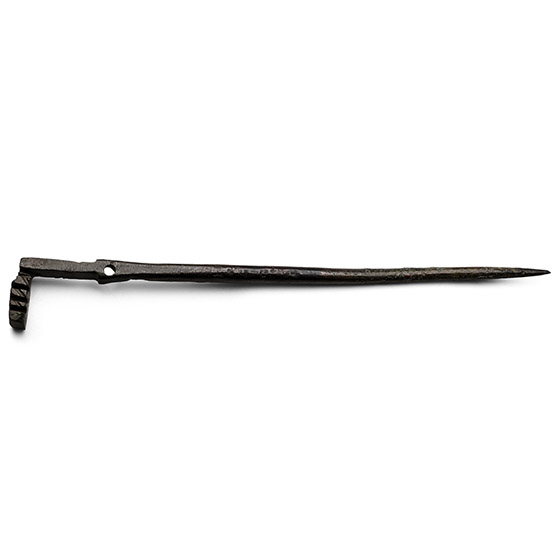
Roman Hair Pin Key
1st-4th century A.D.Sold for (Inc. bp): £78
Comprising a tapering shaft with a perpendicular key terminal with piercing. 6.36 grams, 98 mm
Ex German art market, 2000s. Acquired from an EU collector living in London. From the collection of a Surrey, UK, gentleman. -
.jpg)
Roman Carnelian Gemstone with Eagle
2nd-3rd century A.D.Sold for (Inc. bp): £124
With an intaglio eagle standing with its head turned and a wreath in its beak; supplied with a museum-quality impression. 0.97 grams, 11.14 mm
From the private collection of a European gentleman (1942-2024), formed since the 1970s.
