
Loading, please wait...
LOT 1867
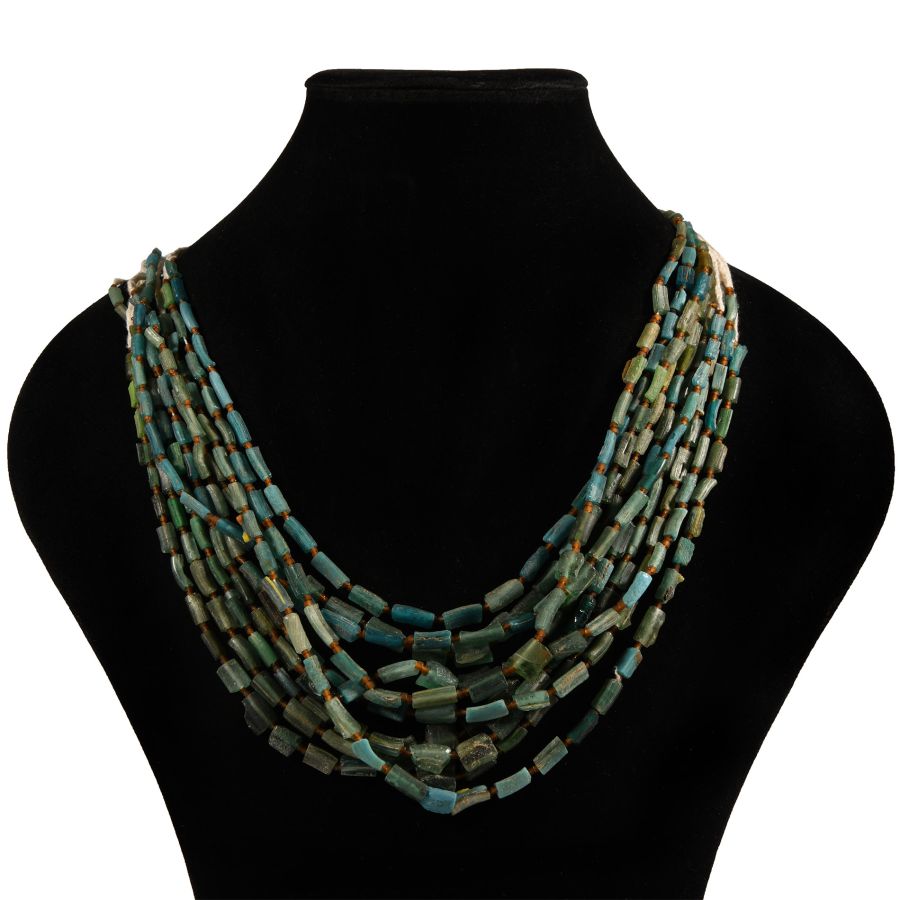
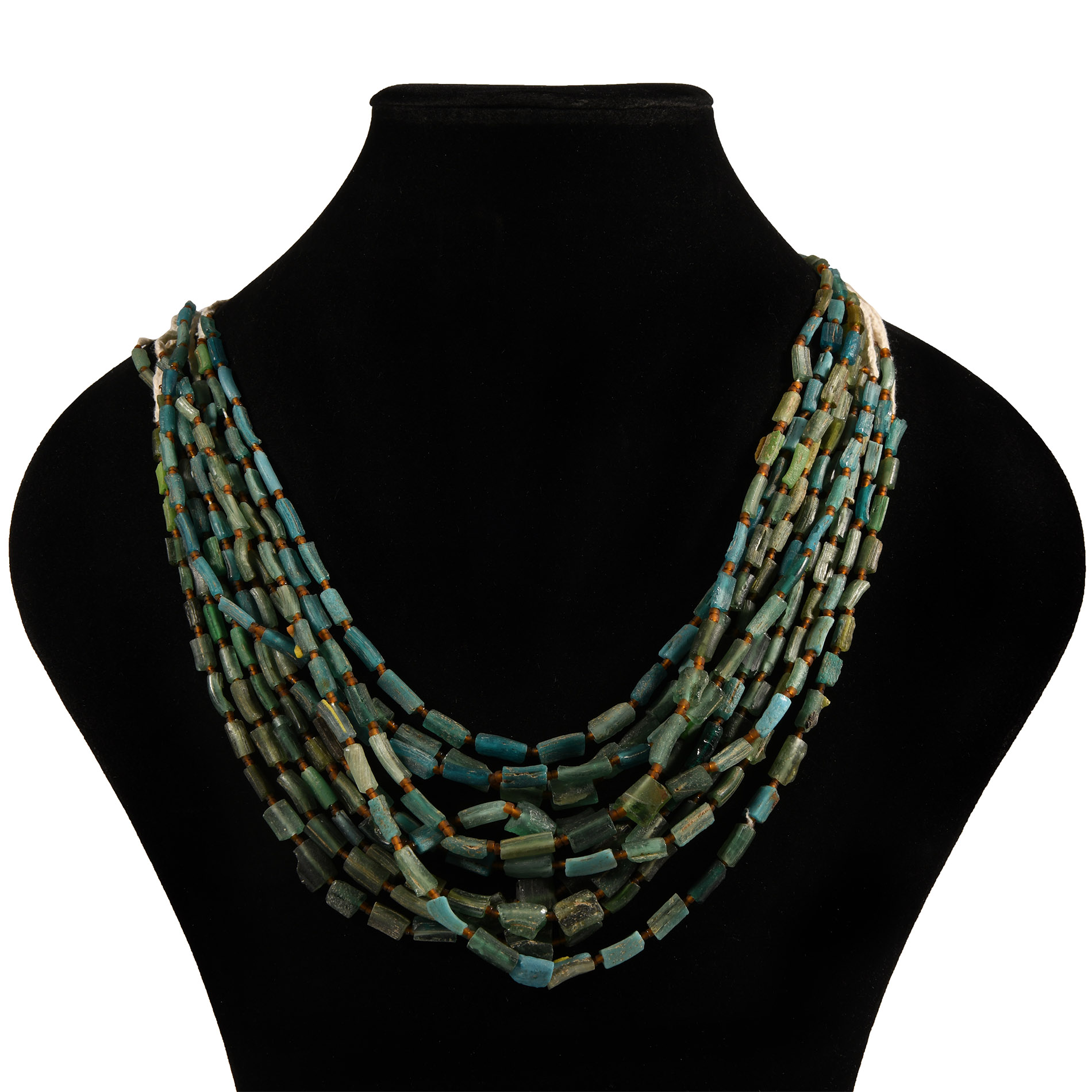
Turquoise Blue Glass Bead Necklace Collection
20TH CENTURY A.D. OR EARLIER
23 5/8 - 28 in. (108 grams total, 60-71 cm).
Restrung; composed of blue glass beads, interspersed with umber-coloured glass spacer beads. [10]
ProvenanceUK gallery, early 2000s.
CONDITIONTimeLine Auctions follows a vetting process to ensure the authenticity and legality of all items, reinforcing our commitment to integrity and responsible trading. Each antiquity, antique, and coin lot undergoes thorough examination by a vetting committee of at least ten external specialists, professional trade association members, scientists, and archaeologists: Our Vetting Process
AUCTIONS:
TimeLine is a leading auction house specialising in antiquities, ancient art, collectables, natural history, coins, medals, and books. Our auctions offer museums, collectors, historians, and enthusiasts the opportunity to acquire unique and historically significant pieces.
-
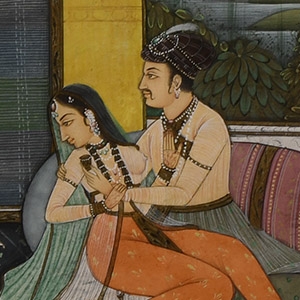
Framed Watercolour Painting
India, 20th century A.D.Estimate: £60 - 80 (+bp*)
Opening Bid: £30
A courtyard scene composed of a couple embracing, the woman reluctant to accept the contents of the cup the man is offering her, landscape of hills and water beyond; text above and below, gold-coloured borders framing the whole; set in a reveal within a glazed wooden frame. 598 grams, 30.3 x 22 cm
Fine condition.
Acquired on the UK art market, 1980s-1990s. The Woodbridge collection of Indo-Persian art. -
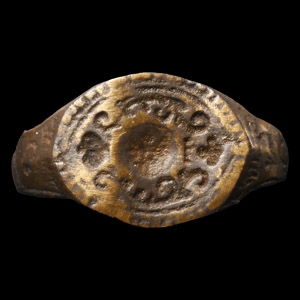
Post Medieval Bronze Ring with Floral Motif
Circa 18th century A.D.Sold for (Inc. bp): £26
With scaphoid bezel, curlicues around a central roundel and pellets to the border. 1.85 grams, 21.13 mm overall, 19.20 mm internal diameter (approximate size British S, USA 9, Europe 20, Japan 19)
Acquired on the UK art market. Ex private Merseyside, UK, collection. -
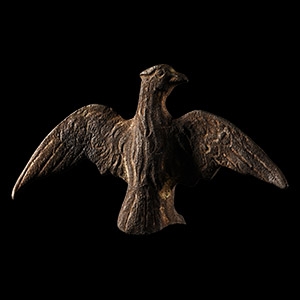
Post Medieval Bronze Spread Eagle Mount
18th-19th century A.D.Sold for (Inc. bp): £33
Modelled in the round standing on a domed base, wings outspread, head turned left, stylised detailing to the head and feathers. 20.9 grams, 56 mm
Found Nottinghamshire, UK.
