
Loading, please wait...
LOT 2099
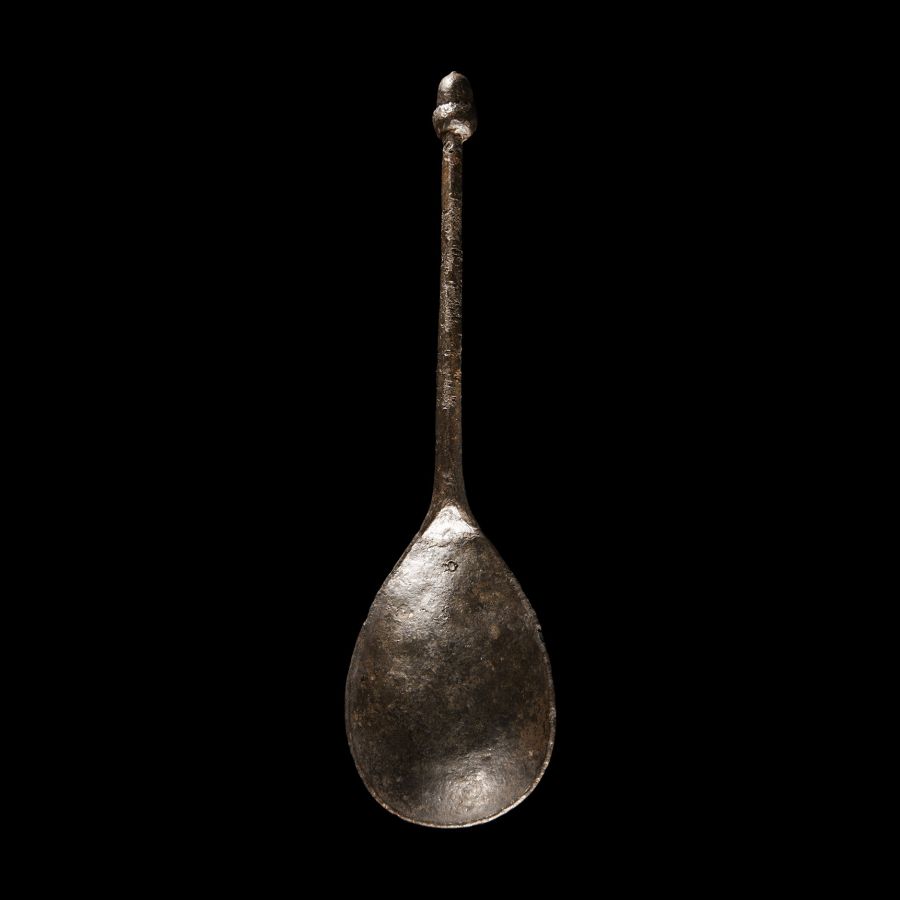
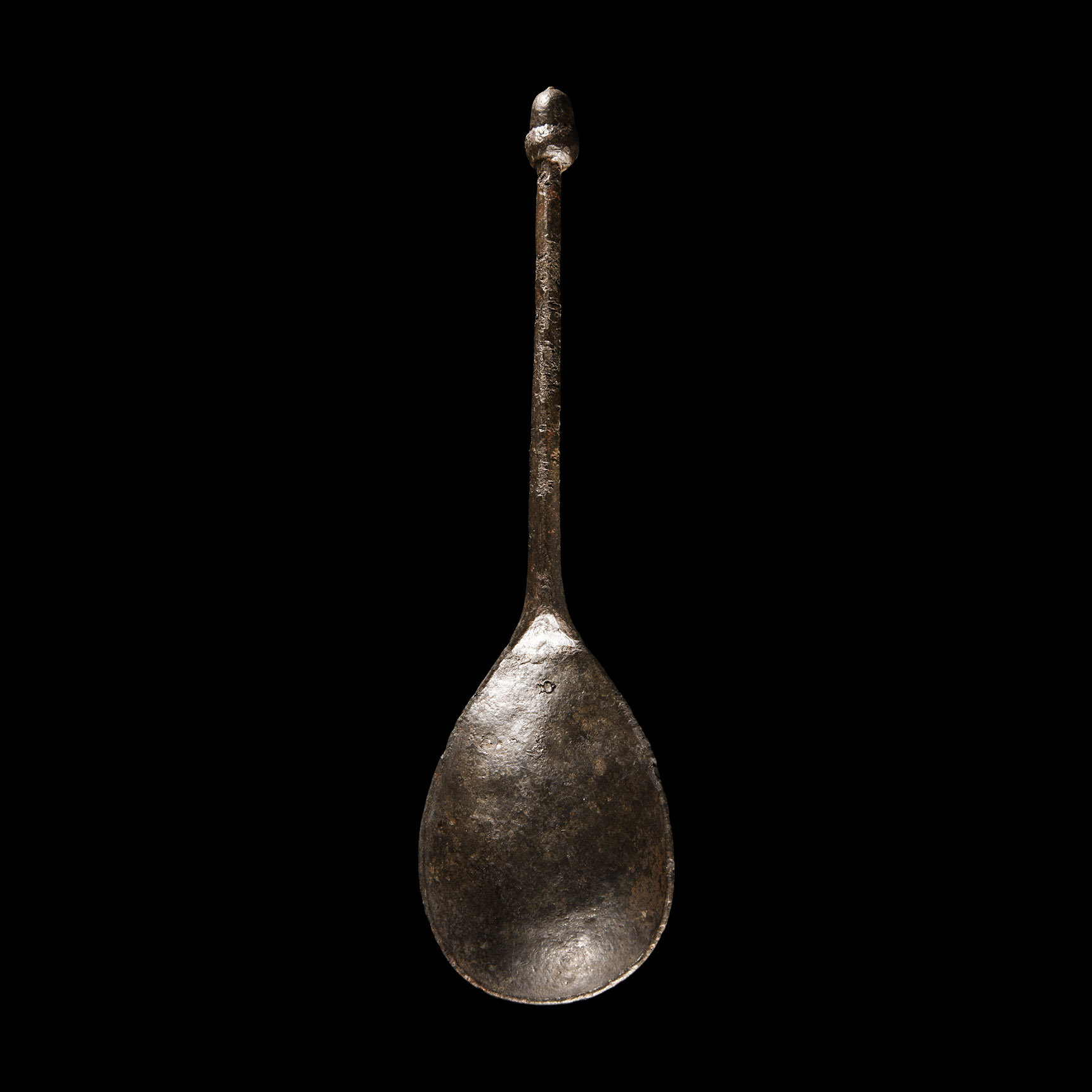
Tudor 'Thames' Pewter Acorn-Topped Spoon
15TH-16TH CENTURY A.D.
6 1/2 in. (41.8 grams, 16.5 cm).
Featuring a shallow ovoid bowl, lozenge-section stem and acorn finial; bowl stamped with maker's mark. [No Reserve]
ProvenanceFound Billingsgate spoil from the Thames foreshore, London, UK.
CONDITIONTimeLine Auctions follows a vetting process to ensure the authenticity and legality of all items, reinforcing our commitment to integrity and responsible trading. Each antiquity, antique, and coin lot undergoes thorough examination by a vetting committee of at least ten external specialists, professional trade association members, scientists, and archaeologists: Our Vetting Process
AUCTIONS:
TimeLine is a leading auction house specialising in antiquities, ancient art, collectables, natural history, coins, medals, and books. Our auctions offer museums, collectors, historians, and enthusiasts the opportunity to acquire unique and historically significant pieces.
-
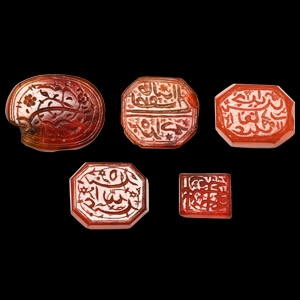
Carnelian Calligraphic Gemstone Collection
Circa 18th-19th century A.D.Sold for (Inc. bp): £65
Including three octagonal types with nasta'liq script; one ellipsoid, similar (chipped); one square with incised script. 8.47 grams total, 10-19 mm
Acquired 1970s-1996. Property of a North American collector. London collection, 2016. -
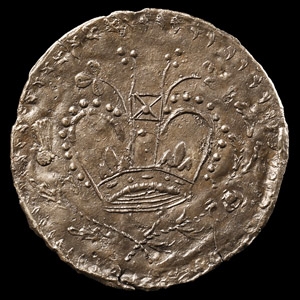
Large Charles I Period 'Thames' Pewter Loyalist Roundel with Crown
Circa 1640s A.D.Sold for (Inc. bp): £117
Sheet pewter with slightly uneven face, low-relief crown above a wreath with pellets. 3.25 grams, 37 mm
Found Billingsgate spoil from the Thames foreshore, London, UK. -
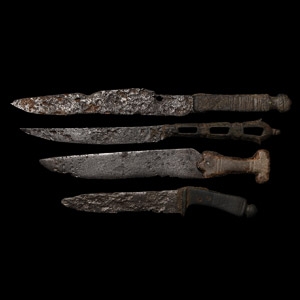
Tudor 'Thames' Iron Knife Group
16th century A.D.Sold for (Inc. bp): £169
Comprising four single-edged knives including one with openwork grip. 112 grams total, 10.5-15 cm
Fair condition.
Found Thames foreshore, London, UK, 1970s-1980s. Ex UK collection. Property of a Hampshire, UK gentleman.
