
Loading, please wait...
LOT 0350
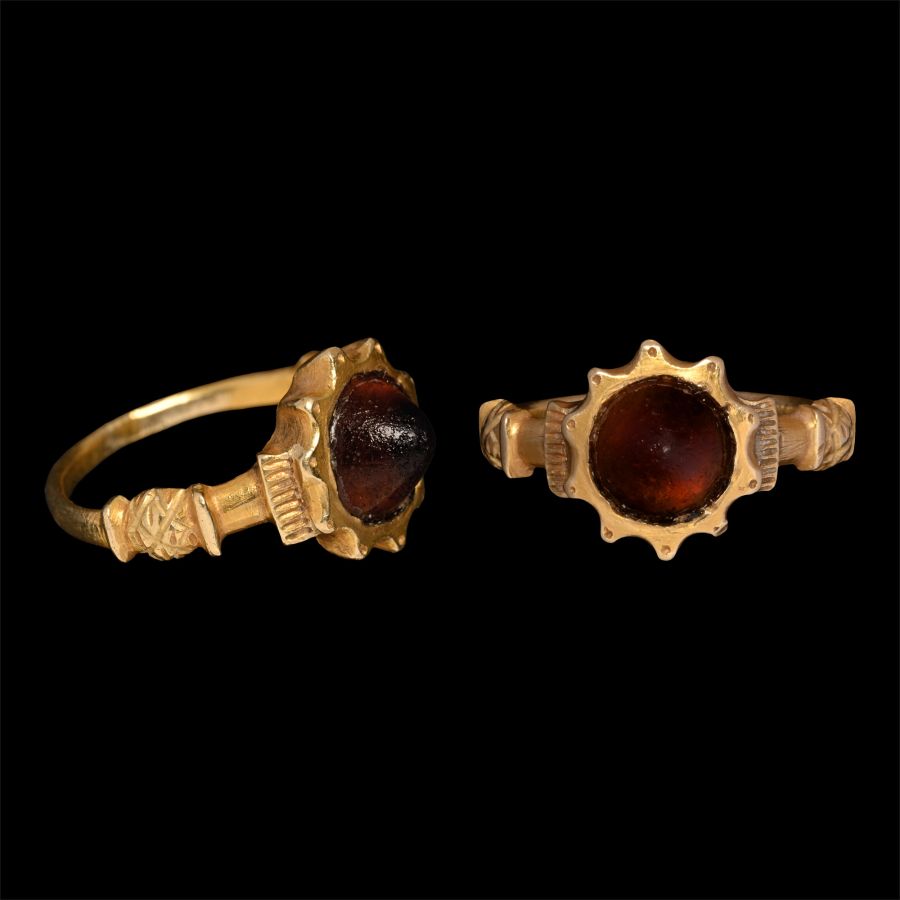
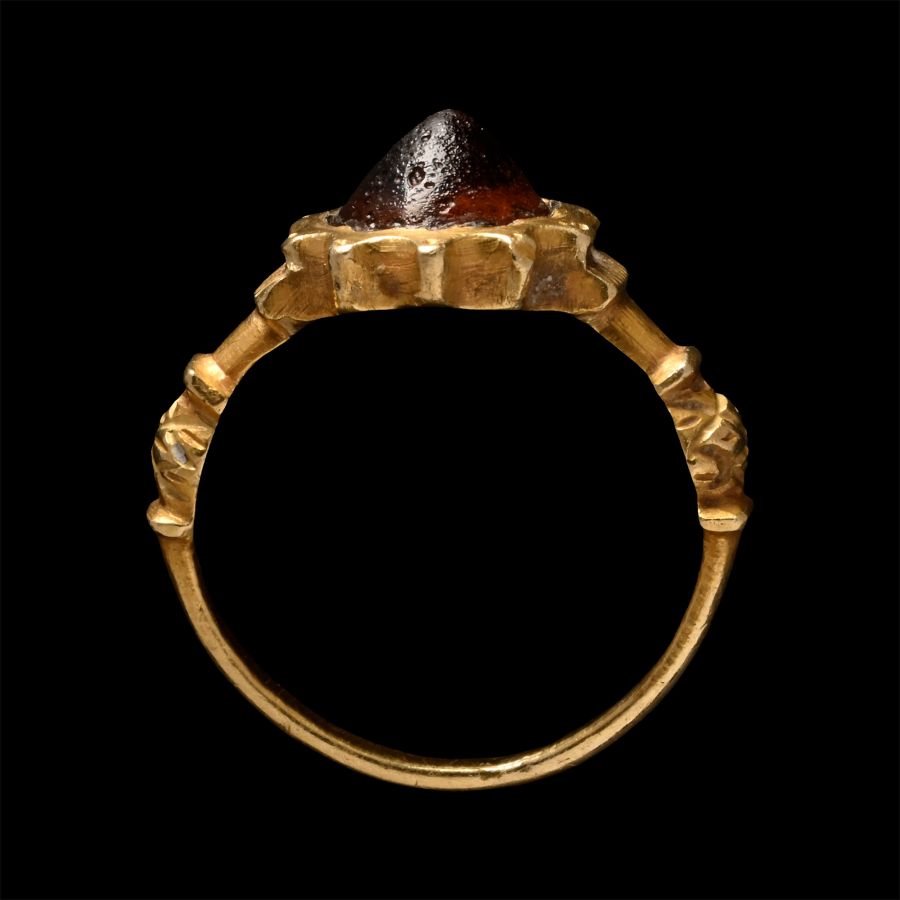
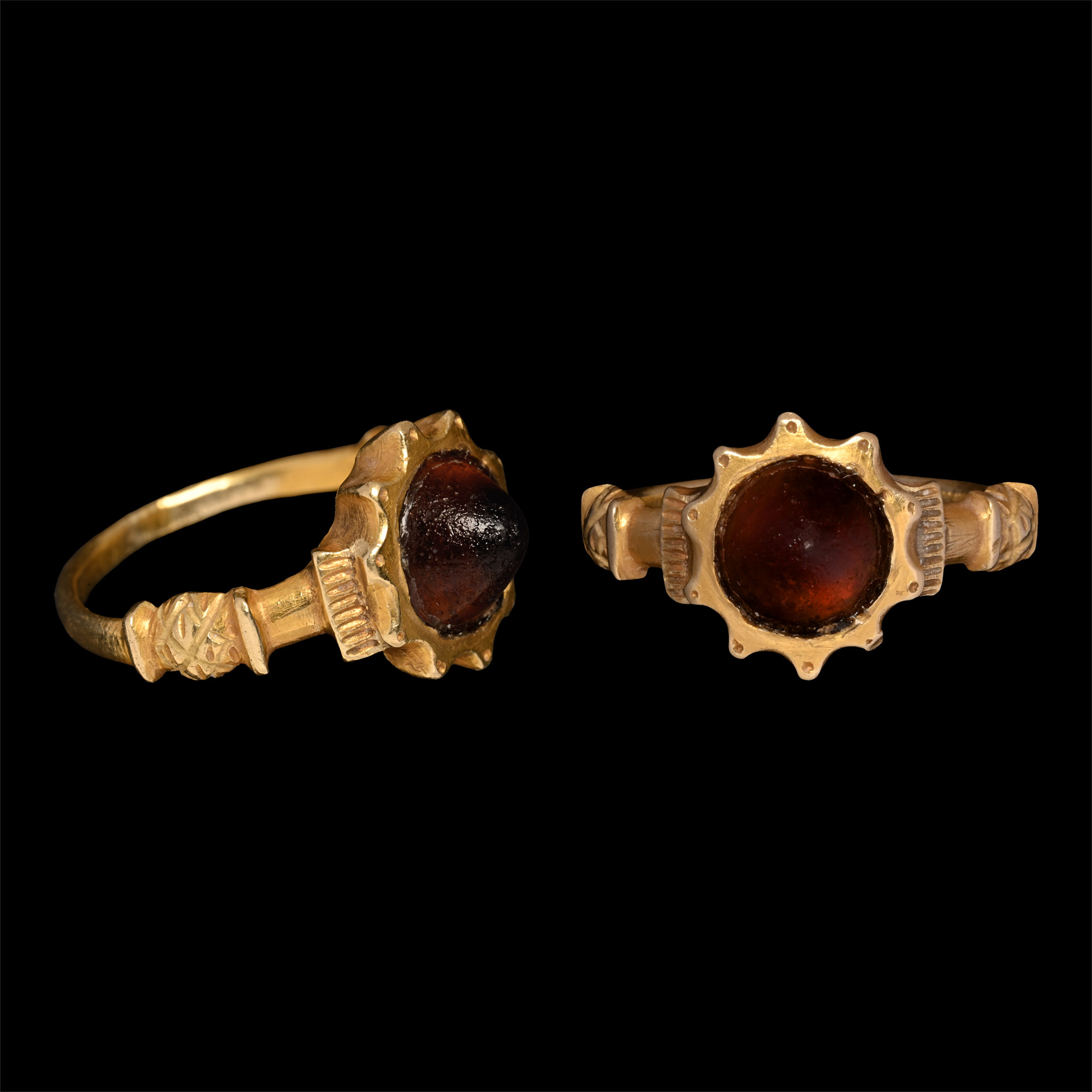
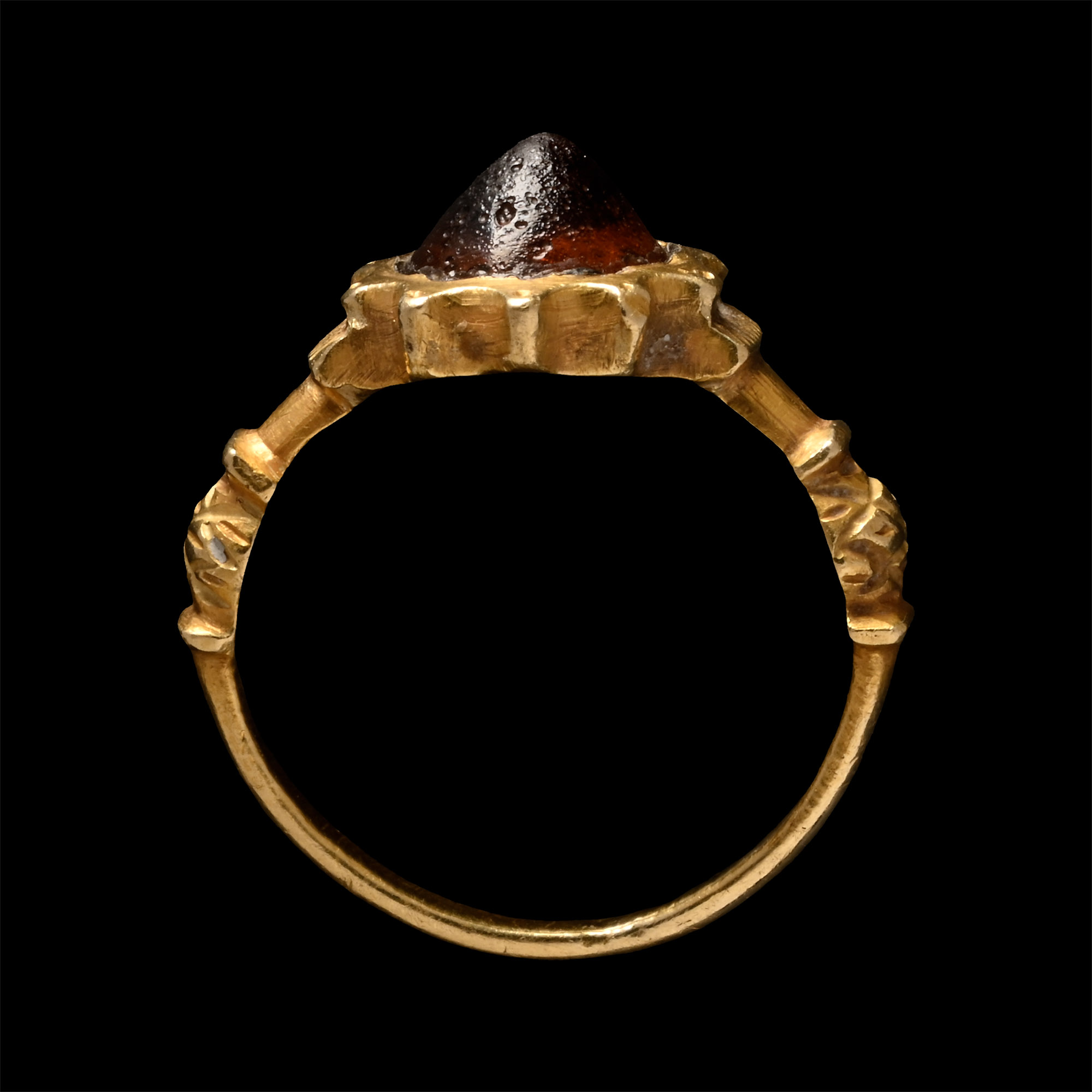
Tudor Period Gold Ring with Cabochon
16TH-17TH CENTURY A.D.
1 in. (4.01 grams, 23.57 mm overall, 17.17 mm internal diameter (approximate size British M, USA 6, Europe 12.46, Japan 12)).
With hatched balusters to the shoulders, dentilled plaque with inset conical glass stud.
ProvenanceEx German art market, 2000s.
Acquired from an EU collector living in London.
From the collection of a Surrey, UK, gentleman.
This lot is accompanied by an illustrated lot declaration signed by the Head of the Antiquities Department, Dr Raffaele D'Amato.
TimeLine Auctions follows a vetting process to ensure the authenticity and legality of all items, reinforcing our commitment to integrity and responsible trading. Each antiquity, antique, and coin lot undergoes thorough examination by a vetting committee of at least ten external specialists, professional trade association members, scientists, and archaeologists: Our Vetting Process
AUCTIONS:
TimeLine is a leading auction house specialising in antiquities, ancient art, collectables, natural history, coins, medals, and books. Our auctions offer museums, collectors, historians, and enthusiasts the opportunity to acquire unique and historically significant pieces.
-
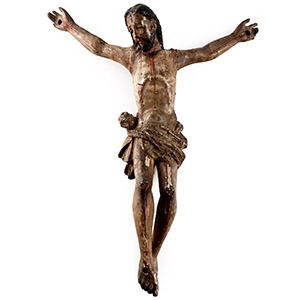
Post Medieval Painted Wooden Figure of Christ
17th century A.D.Sold for (Inc. bp): £208
A carved figure of crucified Jesus Christ with suspension holes on both hands and crossed legs, wearing loincloth tied on a side, set with small red glass cabochons, painted with dark red strokes representing blood; written '500' in black ink to the reverse; possibly Spanish colonial workmanship; some repairs done, chipped. 444 grams, 42.7 cm
From the private collection of a London gentleman, from his grandfather's collection formed before the early 1970s. This lot is accompanied by an illustrated lot declaration signed by the Head of the Antiquities Department, Dr Raffaele D'Amato. -
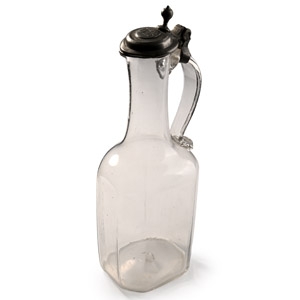
Glass Jug with Pewter Lid and Crowned Monogram
18th century A.D.Sold for (Inc. bp): £98
Octagonal-section glass ewer with strap handle and pouring lip to the rim; pewter hinged lid with thumb-knop, central raised tondo with impressed initials 'I[W]S', the central character partly obscured by later stamp of a rectangular shield with coronet above, lozengy field with escutcheon bearing crossed batons (or swords) and a crown above. 320 grams, 24 cm
From the private family collection of Ersula Barter-Hemmerich, the longest serving member of staff working at the United Nations, her private collection formed in the 1950s and 1960s; thence by descent to her grandson. This lot is accompanied by an illustrated lot declaration signed by the Head of the Antiquities Department, Dr Raffaele D'Amato. -
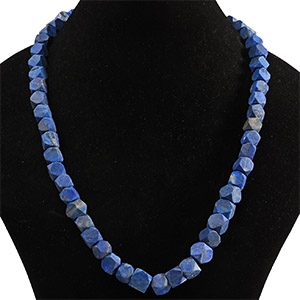
Bactrian Style Lapis Lazuli Bead Necklace String
20th century A.D.Sold for (Inc. bp): £33
Composed of cornerless cube-shaped beads; restrung. 168 grams, 58 cm
From the London, UK, art market in the 1990s. This lot is accompanied by an illustrated lot declaration signed by the Head of the Antiquities Department, Dr Raffaele D'Amato.
