
Loading, please wait...
LOT 1420
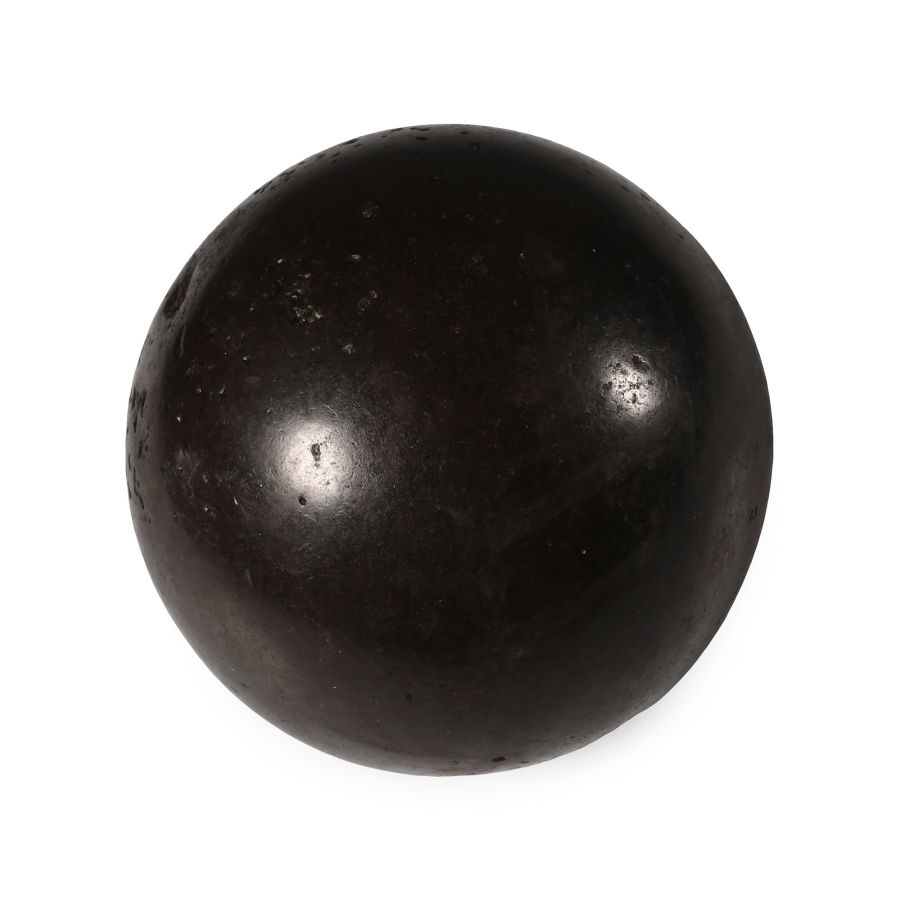
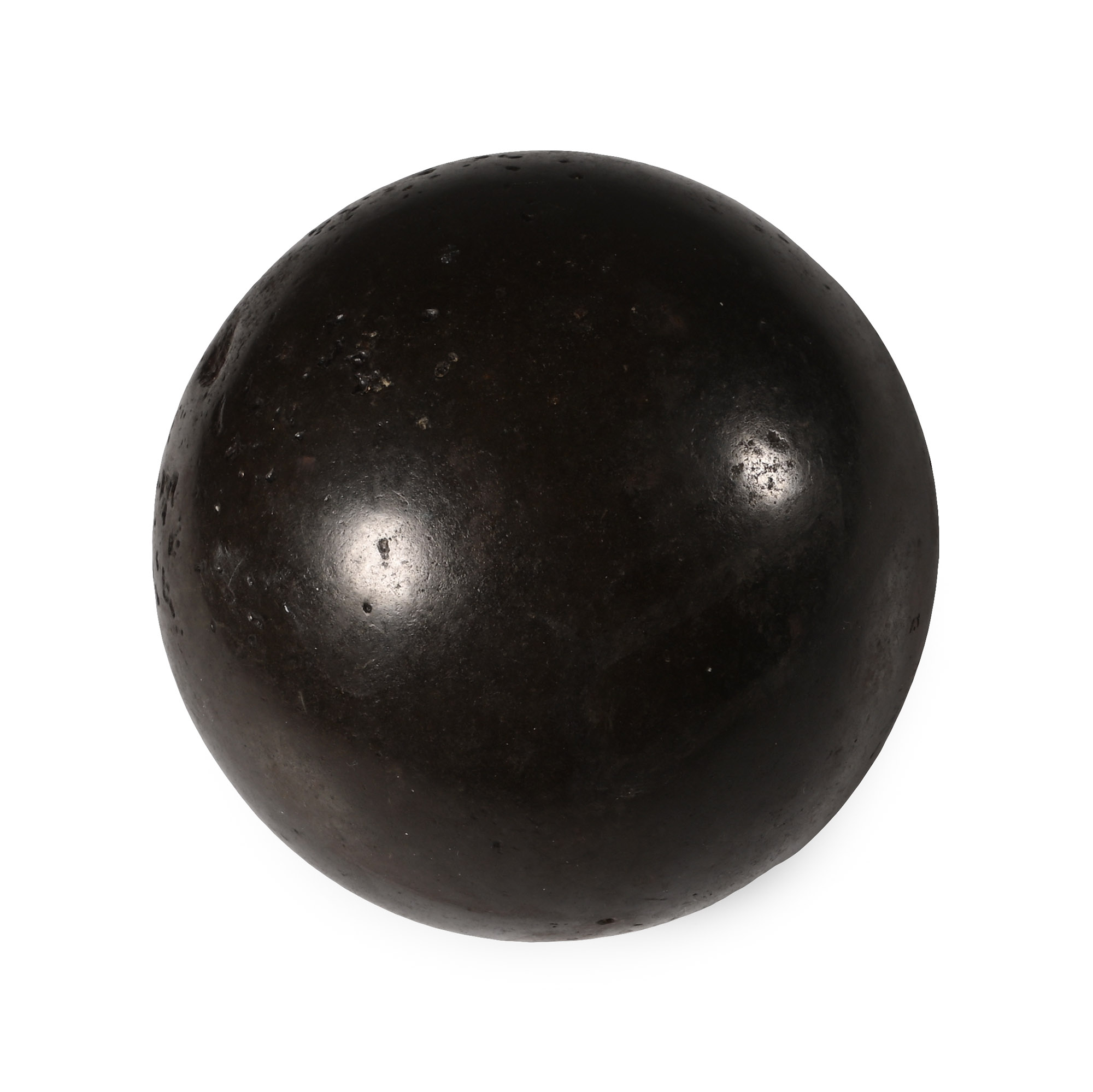
Tudor Period Bronze Cannon Ball
CIRCA 16TH CENTURY A.D.
3 1/2 in. (2.9 kg, 90 mm).
A medium-sized cannon ball, likely for a use with demi-cannon or a saker; polished.
ProvenanceAcquired on the UK art market in the 1970s-1990s.
Property of a Nottinghamshire, UK, gentleman.
This lot is accompanied by an illustrated lot declaration signed by the Head of the Antiquities Department, Dr Raffaele D'Amato.
TimeLine Auctions follows a vetting process to ensure the authenticity and legality of all items, reinforcing our commitment to integrity and responsible trading. Each antiquity, antique, and coin lot undergoes thorough examination by a vetting committee of at least ten external specialists, professional trade association members, scientists, and archaeologists: Our Vetting Process
AUCTIONS:
TimeLine is a leading auction house specialising in antiquities, ancient art, collectables, natural history, coins, medals, and books. Our auctions offer museums, collectors, historians, and enthusiasts the opportunity to acquire unique and historically significant pieces.
-
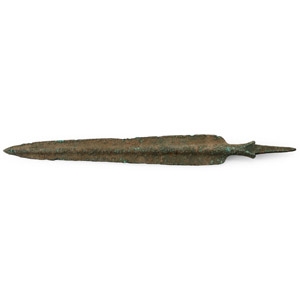
Large Luristan Bronze Spearhead
2nd-1st millennium B.C.Sold for (Inc. bp): £117
Triangular in profile with rounded shoulders and square-section mid-rib running to the tip; short flared neck and square-section tang. 464 grams, 42 cm
Acquired in the 1990s. Ex Abelita family collection. This lot is accompanied by an illustrated lot declaration signed by the Head of the Antiquities Department, Dr Raffaele D'Amato. -
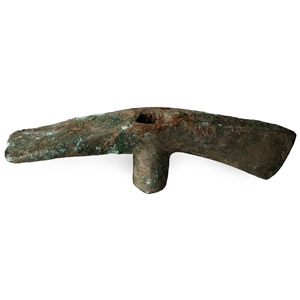
Heavy Luristan Bronze Dolabra
2nd-1st millennium B.C.Sold for (Inc. bp): £117
A combined adze- and axe-head with central shaft hole and curved blades. 1.42 kg, 23.5 cm
Acquired in the 1990s. Ex Abelita family collection. This lot is accompanied by an illustrated lot declaration signed by the Head of the Antiquities Department, Dr Raffaele D'Amato. -
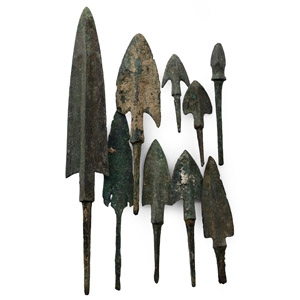
Luristan Bronze Arrowhead Collection
2nd millennium-9th century B.C.Sold for (Inc. bp): £85
Nine arrowheads most of deltoid form, having a sharp flat barbed blade and prominent midrib extending to a long tang; one with head without barbs, but prominent midrib extending to a tang; one with long tang and small pyramidal shape. 149 grams total, 5.4-18 cm
Fine condition.
Formerly from a late Japanese gentleman's collection, 1970-2010. From the private collection of John Meredith, acquired since the 1990s; thence by descent. This lot is accompanied by an illustrated lot declaration signed by the Head of the Antiquities Department, Dr Raffaele D'Amato.
This type of head was in use from the last centuries of the second through to the early centuries of the first millennium BC, with varieties of barbed heads continuing to be employed for a time after the ninth century BC, during the Neo-Assyrian period.
