
Loading, please wait...

LOT 2213
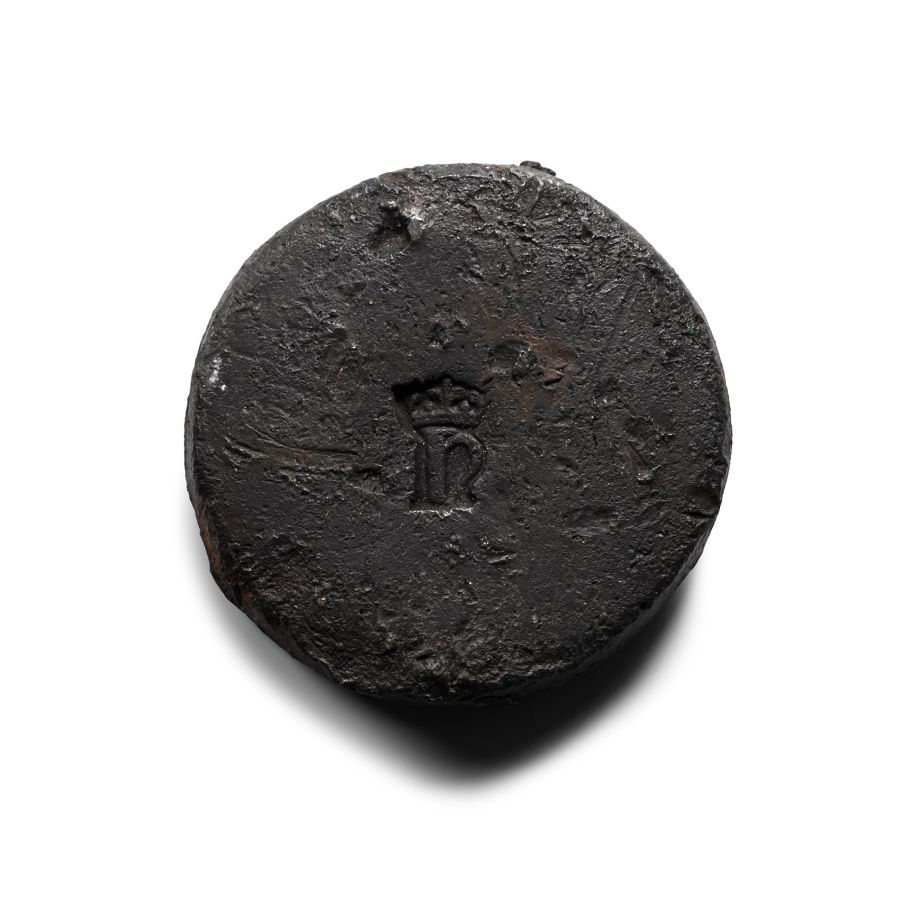
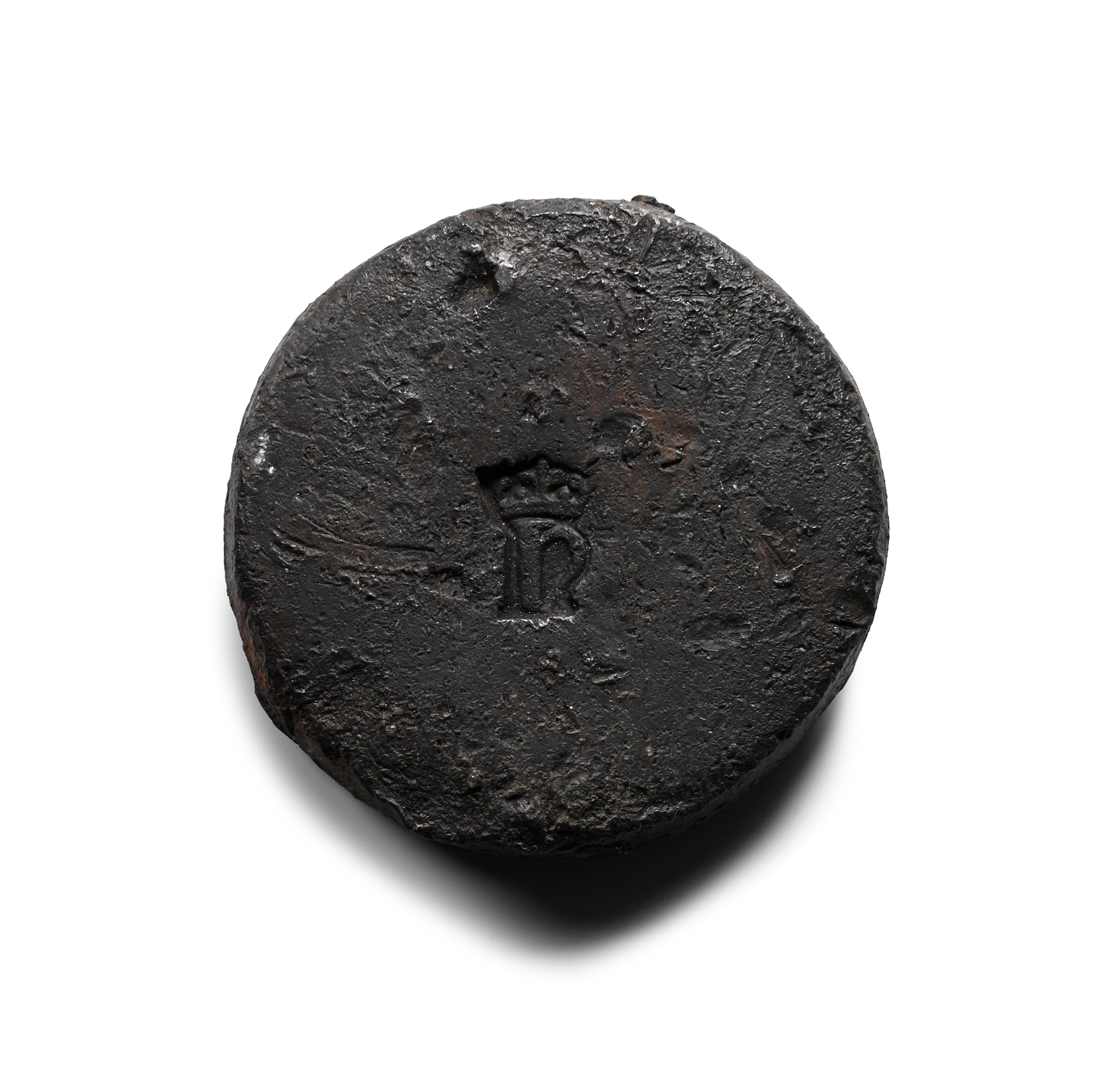
Tudor Henry VIII Lead One Pound Town Weight
16TH CENTURY A.D.
2 5/8 in. (456 grams, 67 mm).
Discoid with an impressed crowned 'H' to one side. [No Reserve]
ProvenanceFound from spoil from the Thames Foreshore at Billingsgate in the 1980s.
Property of an Essex collector.
Ex Capital Gains Exhibition at the Museum of London.
This lot is accompanied by an illustrated lot declaration signed by the Head of the Antiquities Department, Dr Raffaele D’Amato.
TimeLine Auctions follows a vetting process to ensure the authenticity and legality of all items, reinforcing our commitment to integrity and responsible trading. Each antiquity, antique, and coin lot undergoes thorough examination by a vetting committee of at least ten external specialists, professional trade association members, scientists, and archaeologists: Our Vetting Process
AUCTIONS:
TimeLine is a leading auction house specialising in antiquities, ancient art, collectables, natural history, coins, medals, and books. Our auctions offer museums, collectors, historians, and enthusiasts the opportunity to acquire unique and historically significant pieces.
-
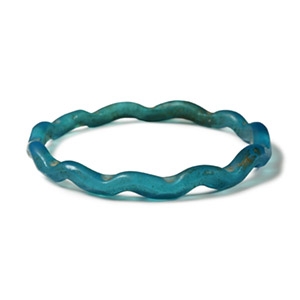
Post Medieval Wavy Blue Glass Bangle
20th century A.D.Sold for (Inc. bp): £39
The shank round in section, undulating in form with pinched facets. 6.61 grams, 56 mm
From an old English collection. Acquired from Helios Gallery in 2011. Ian Wilkinson collection, Nottinghamshire, UK, formed since 1985. This lot is accompanied by an illustrated lot declaration signed by the Head of the Antiquities Department, Dr Raffaele D’Amato. -
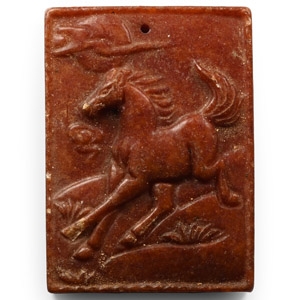
Chinese Style Hardstone Plaque
20th century A.D.Sold for (Inc. bp): £26
Rectangular in plan with hole below the upper edge, low-relief running horse motif. 55 grams, 57 mm
From a Parisian collection, 1980-2000s. This lot is accompanied by an illustrated lot declaration signed by the Head of the Antiquities Department, Dr Raffaele D’Amato. -
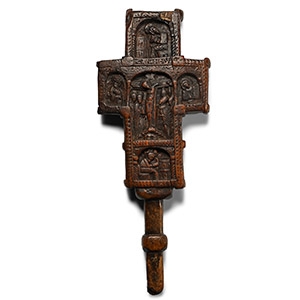
Mount Athos Wooden Cross with the Crucifixion and the Baptism
Circa 1669 A.D.Sold for (Inc. bp): £2,080
Showing the Evangelists and the Crucifixion with Saint Mary, Saint John and Saint Longinos on one side with Greek inscription 'STAVROSIS (Η ΣΤΑΥΡΟΣΙΣ = the Crucifixion)' above; the Baptism on the other side with Greek inscription 'VANGELISMOU (Η ΒΑΝΓΕΛΙΣΜΟΥ = the Apparition)' above, evangelists depicted above and below with the angels Gabriel and Michael to the sides. 93 grams, 19.5 cm
Acquired from Portobello Road, London, in the 1980s. Property of a London, UK, gentleman collector. This lot is accompanied by an illustrated lot declaration signed by the Head of the Antiquities Department, Dr Raffaele D’Amato.
The term ‘Dodekaorton cross’ is the most appropriate for this category of crosses and is used in other codices of the post-Byzantine period. These small crosses were used by the Hieromonks for blessings to the faithful and in various processions and liturgies, and were often mounted with frames made of precious materials. The carving of wooden crosses is regarded as an art traditionally practiced by Athonite monks. Ioannis Komninos in 1698 and the Jesuit priest Braconnier in 1706 both refer to the carved wooden pectorals and crosses made by the monks in order to provide themselves with a livelihood.
