
Loading, please wait...
LOT 1493
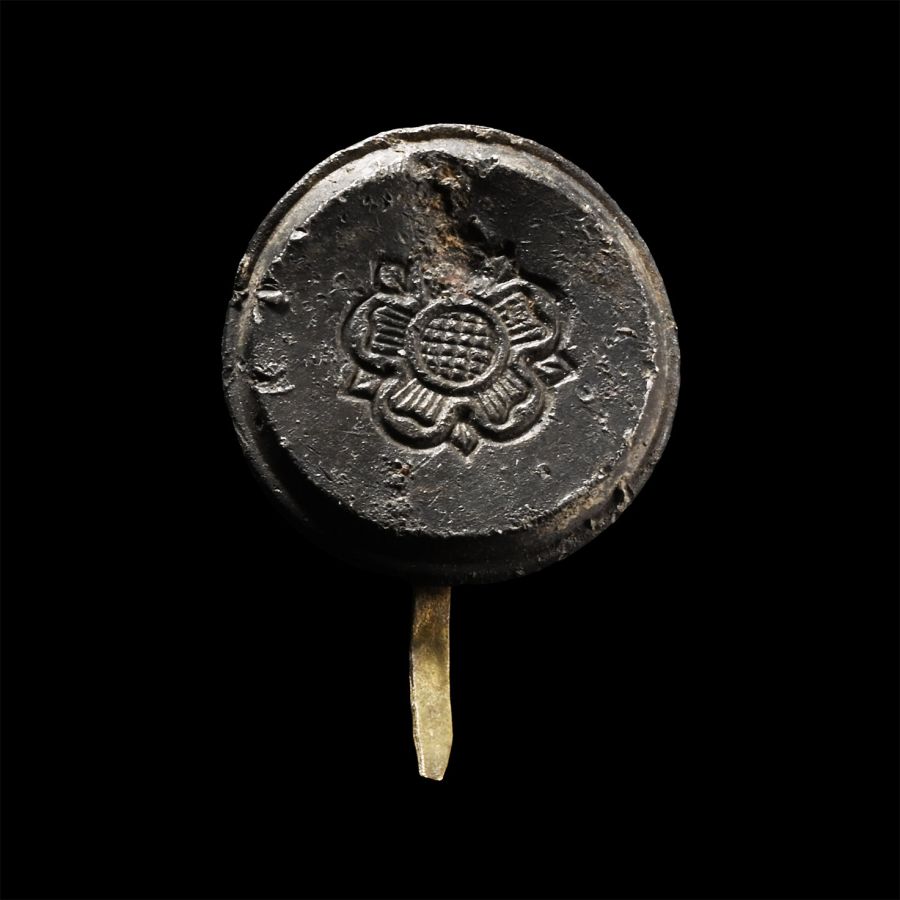
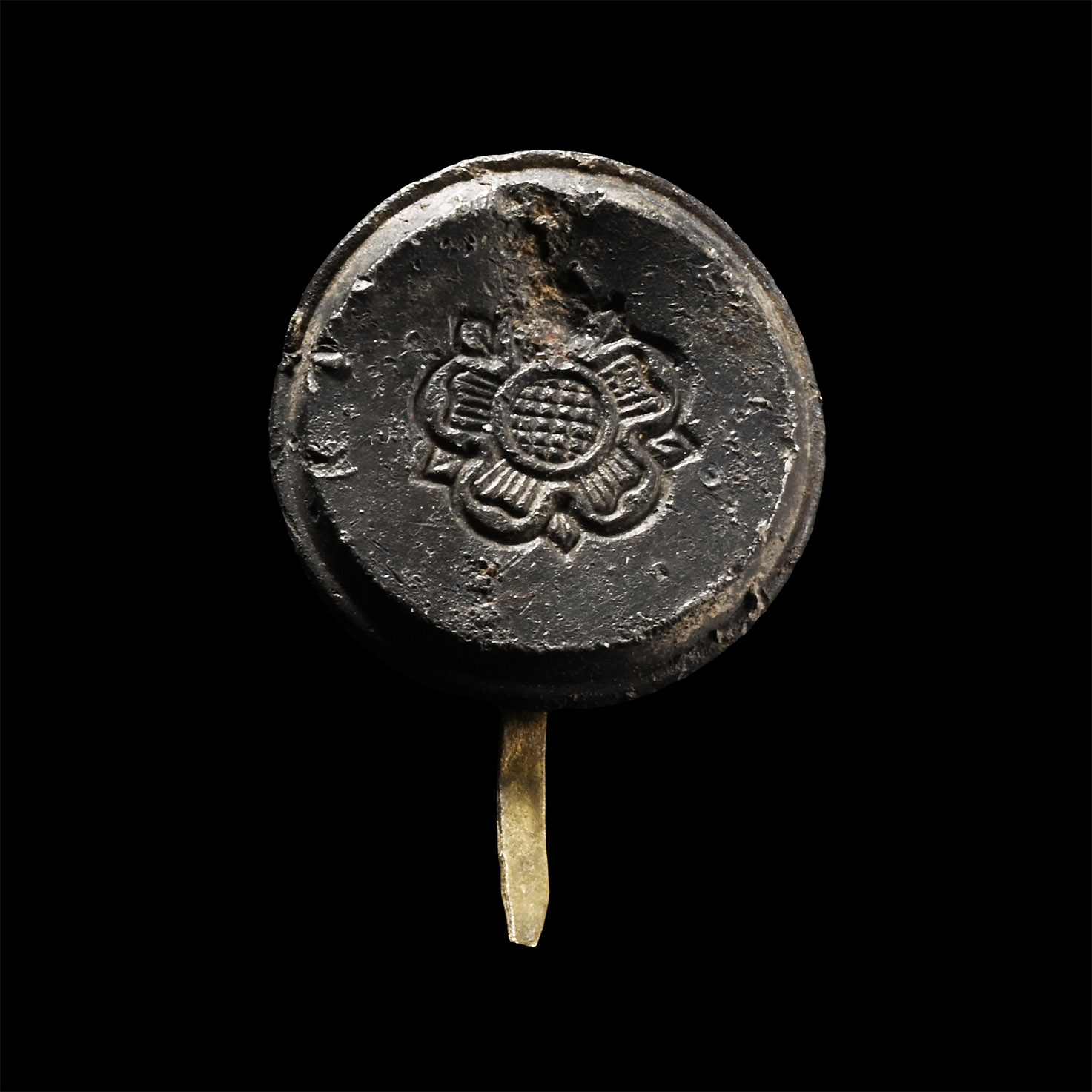
Tudor Double Rose Pewter Retainer's Badge
16TH CENTURY A.D.
1 1/4 in. (7.1 grams, 33 mm).
Discoid plaque with impressed Tudor rose motif; short brass pin to reverse. [No Reserve]
ProvenanceFound on the Thames foreshore, London, UK.
From a North London, UK, collection.
Ex Simmons Gallery, London E11, UK, in the 1990s.
TimeLine Auctions follows a vetting process to ensure the authenticity and legality of all items, reinforcing our commitment to integrity and responsible trading. Each antiquity, antique, and coin lot undergoes thorough examination by a vetting committee of at least ten external specialists, professional trade association members, scientists, and archaeologists: Our Vetting Process
AUCTIONS:
TimeLine is a leading auction house specialising in antiquities, ancient art, collectables, natural history, coins, medals, and books. Our auctions offer museums, collectors, historians, and enthusiasts the opportunity to acquire unique and historically significant pieces.
-
Bactrian Style Lapis Lazuli Bead Necklace String
20th century A.D.Sold for (Inc. bp): £65
Composed of graduated cylindrical and oval beads, some of the larger cylindrical beads with incised linear decoration. 39.4 grams, 62 cm long
Acquired 1980-2015. Ex Abelita family collection. -
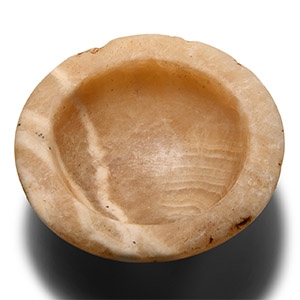
Bactrian Style Alabaster Dish
20th century A.D.Sold for (Inc. bp): £20
Plano-convex in form with deep central recess and flat base. 448 grams, 11.5 cm wide
Ex London A.D. collection, 2000s. -
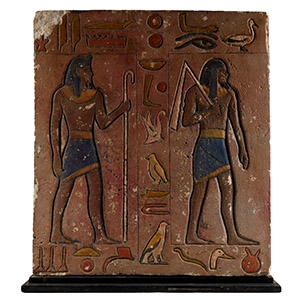
Large Egyptian Revival Painted Stone Plaque
20th century A.D.Sold for (Inc. bp): £91
A substantial decorative designer stele with low-relief frieze depicting a kilted workman with tripartite wig and nekhakha flail over his shoulder and an overseer with headdress and heka crook; dividing column with hieroglyphic text extending to the base and pediment; mounted on a custom-made stand; after the antique. 24.9 kg total, 41.5 cm including stand
From a French collection, Paris. Ex Parisian gallery, France; latterly with a London, UK, gallery.
