
Loading, please wait...
LOT 2033
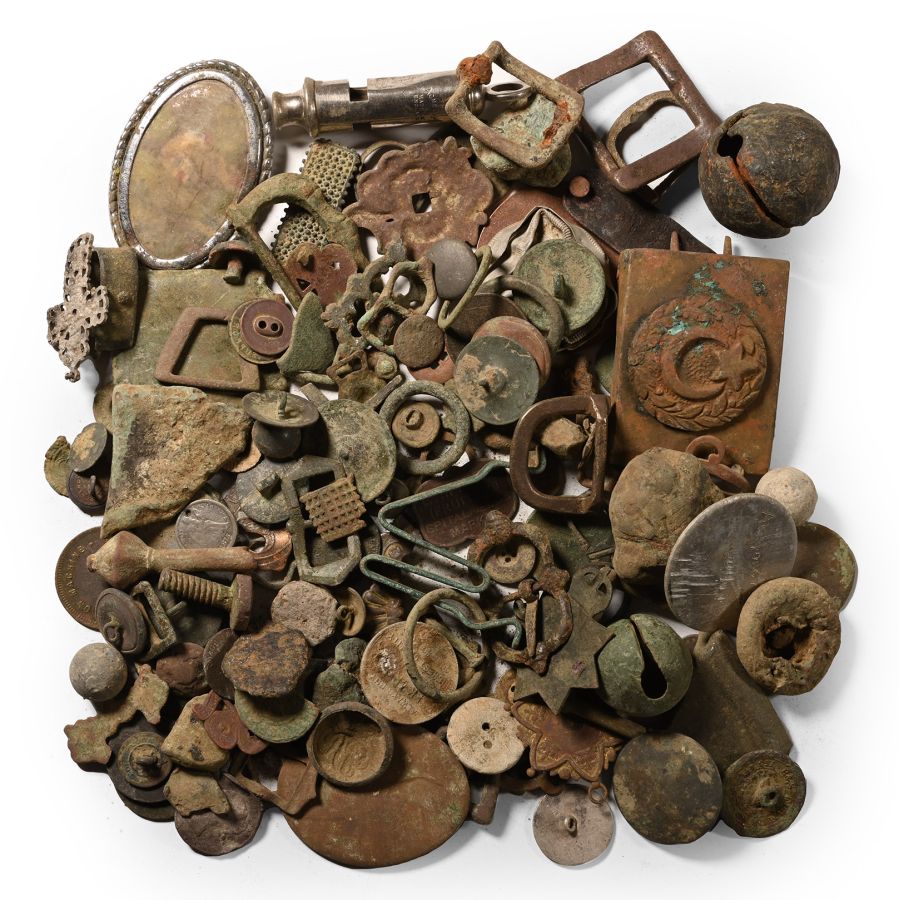
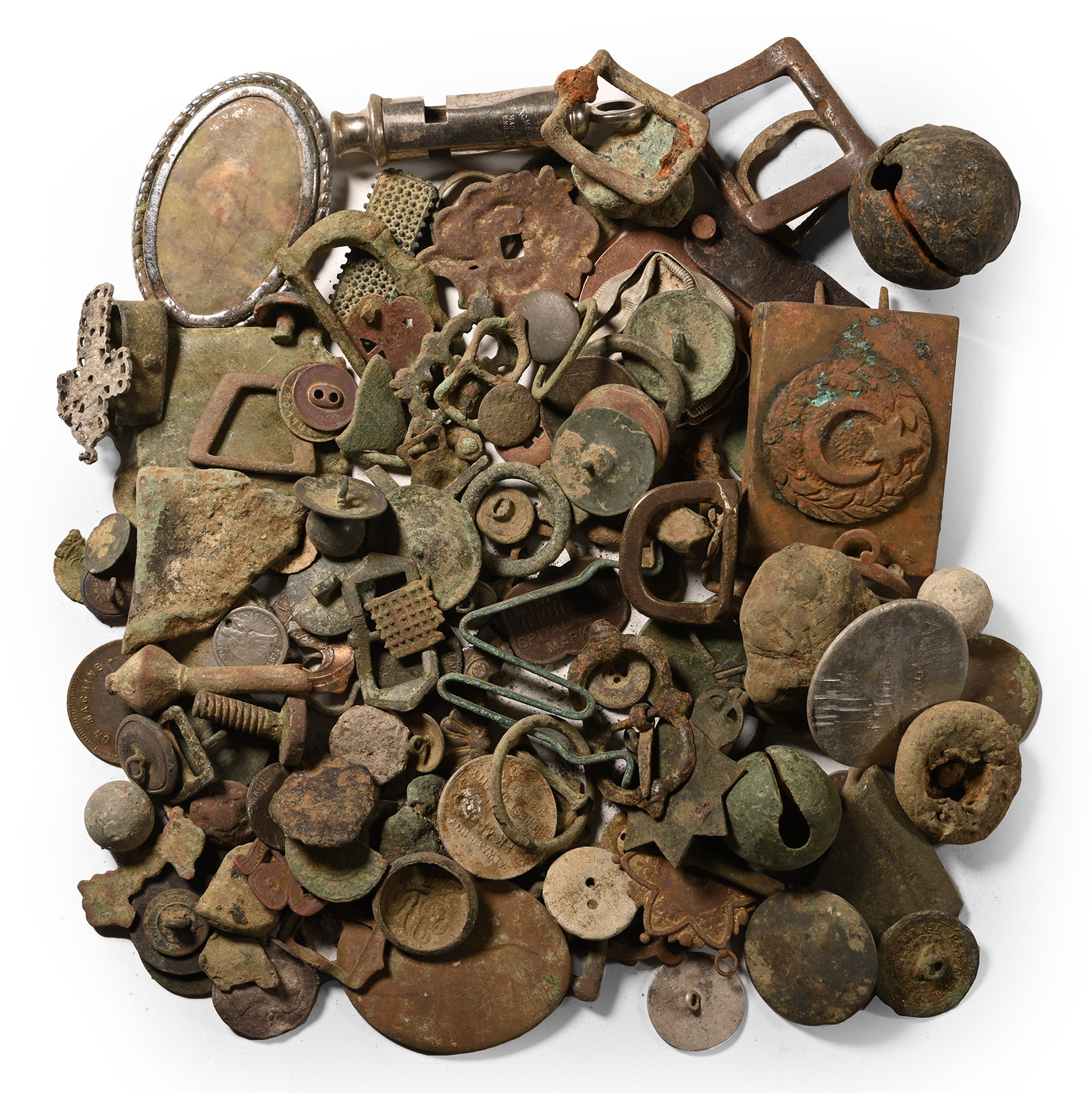
Tudor and Later Bronze and Other Artefact Collection
16TH-20TH CENTURY A.D.
3/8 - 2 5/8 in. (1.39 kg total, 12-66 mm).
Including a whistle, buckle frames, Singleton's Snuff box, crotal bell and other items. [140+, No Reserve]
ProvenanceEx Stocker collection, Kent, UK, 1955-early 2000s.
CONDITIONTimeLine Auctions follows a vetting process to ensure the authenticity and legality of all items, reinforcing our commitment to integrity and responsible trading. Each antiquity, antique, and coin lot undergoes thorough examination by a vetting committee of at least ten external specialists, professional trade association members, scientists, and archaeologists: Our Vetting Process
AUCTIONS:
TimeLine is a leading auction house specialising in antiquities, ancient art, collectables, natural history, coins, medals, and books. Our auctions offer museums, collectors, historians, and enthusiasts the opportunity to acquire unique and historically significant pieces.
-
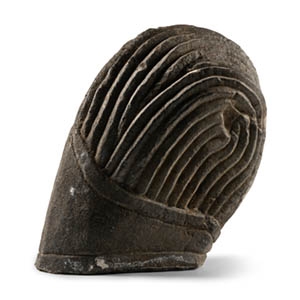
South East Asian Style Carved Hair Section
20th century A.D. or earlierSold for (Inc. bp): £7
Carved in the round, loop of hair in a gusseted retaining band. 1.41 kg, 11.5 cm
From a collection acquired on the UK art market from various auction houses and collections mostly before 2000. From an important Cambridgeshire estate; thence by descent. -
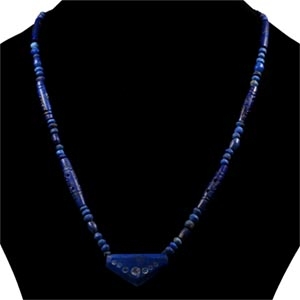
Lapis Lazuli Bead Necklace String
20th century A.D.Sold for (Inc. bp): £20
Restrung using six cylindrical beads interspersed with mainly oblate beads, four of the cylindrical beads with engraved ring-and-dot motifs; central motif an elbow bead with facetted edges and engraved ring-and dot motifs. 37 grams, 63 cm long
Ex London art market. Property of a North London, UK, gentleman. -
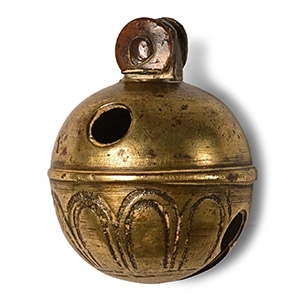
Post Medieval Bronze Rumbler Bell
18th-19th century A.D.Sold for (Inc. bp): £46
With low-relief petal design, circular vents to the shoulder, suspension lugs above. 98 grams, 60 mm
From a private Barnsley, UK, family collection.
