
LOT 2867
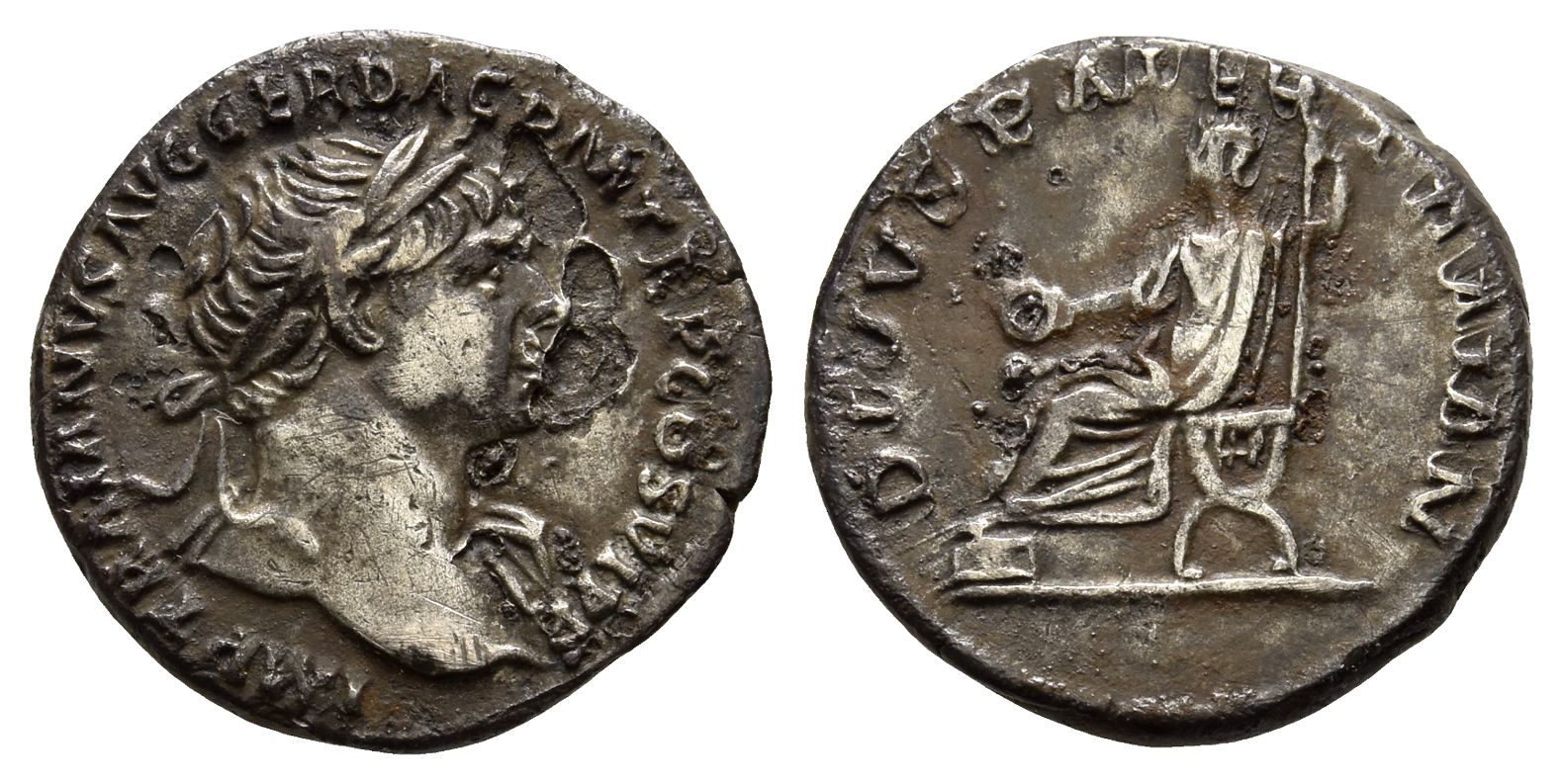
Trajan AR Denarius. AD 98-117.
Rome mint; struck AD 112-113. IMP TRAIANVS AVG GER DAC P M TR P COS VI P P, laureate bust to right, slight drapery on far shoulder / DIVVS PATER TRAIAN, Trajan senior seated to left on curule chair, holding patera with right hand and sceptre with left. RIC II 252 var. (bust type); BMCRE 500; Woytek 406b; RSC 140. Very Fine. Areas of delamination on obverse.(2.54gr, 18mm, 7h.).
ProvenanceFrom Stocker collection, Kent, UK, 1955-early 2000s.
TimeLine Auctions follows a vetting process to ensure the authenticity and legality of all items, reinforcing our commitment to integrity and responsible trading. Each antiquity, antique, and coin lot undergoes thorough examination by a vetting committee of at least ten external specialists, professional trade association members, scientists, and archaeologists: Our Vetting Process
AUCTIONS:
TimeLine is a leading auction house specialising in antiquities, ancient art, collectables, natural history, coins, medals, and books. Our auctions offer museums, collectors, historians, and enthusiasts the opportunity to acquire unique and historically significant pieces.
-
![Group of Twenty [20] BI Roman Antoniniani.](https://timelineauctions.com/upload/images/items/small/225871-s(1).jpg)
Group of Twenty [20] BI Roman Antoniniani. 3rd century AD.
Sold for (Inc. bp): £65
Various emperors. 45.84gr total.
Fine to Good Very Fine.
From a private collection formed since the 1940s. From UK art market. Property of an Essex, UK, gentleman. -
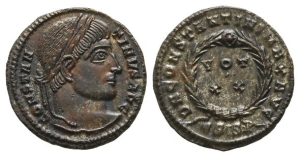
Constantine I BI Nummus. AD 307/310-337.
Sold for (Inc. bp): £26
Siscia mint; struck AD 320-321. 5th officina. CONSTANTINVS AVG, laureate head to right / D N CONSTANTINI MAX AVG, wreath enclosing VOT • XX in two lines; ЄSIS(star) in exergue. RIC VII 159. 3.13gr, 19mm, 8h.
Extremely Fine.
From a private, UK, collection. -
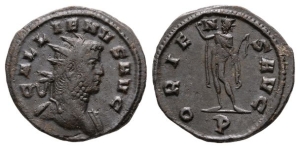
Gallienus BI Antoninianus. AD 253-268.
Estimate: £20 - 30 (+bp*)
Opening Bid: £10
Mediolanum mint. 1st officina. GALLIENVS AVG, radiate bust to right, slight drapery on far shoulder / ORIE-NS AVG, Sol standing facing, head to left, raising his right hand and holding whip in left; P in exergue. RIC V.1 494; MIR 1211e; RSC 685a. 3.84gr, 21mm, 12h.
Very Fine.
From a London collection, 1990s.
