
Loading, please wait...
LOT 1442
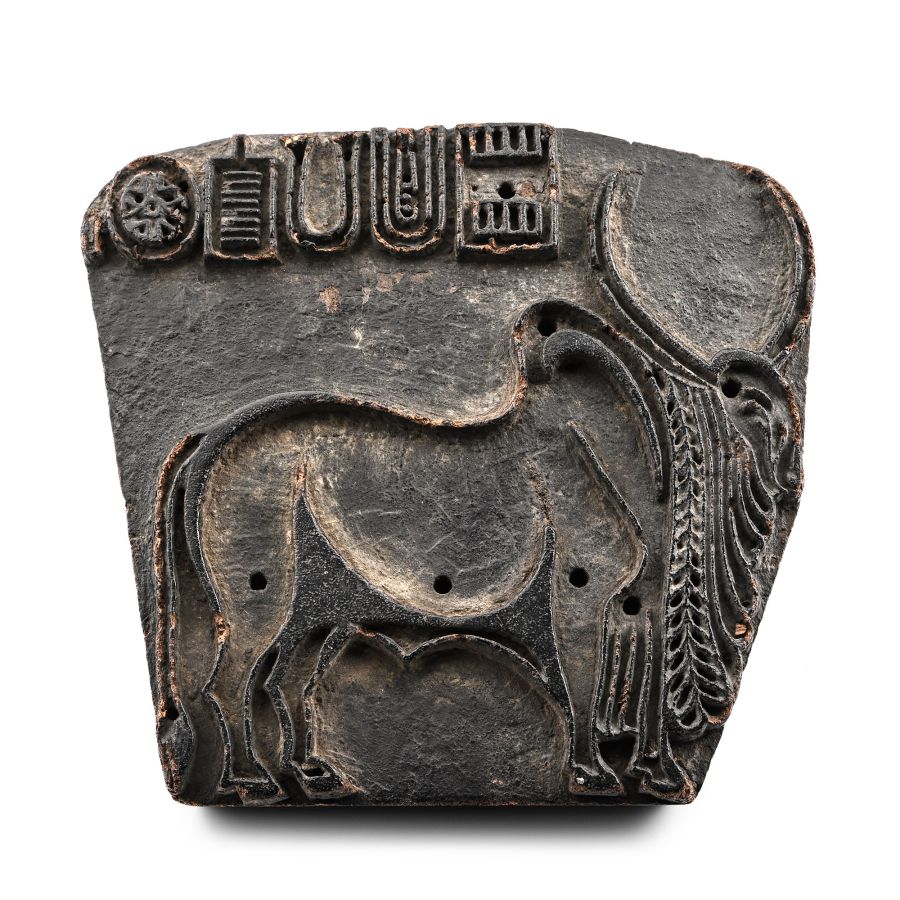
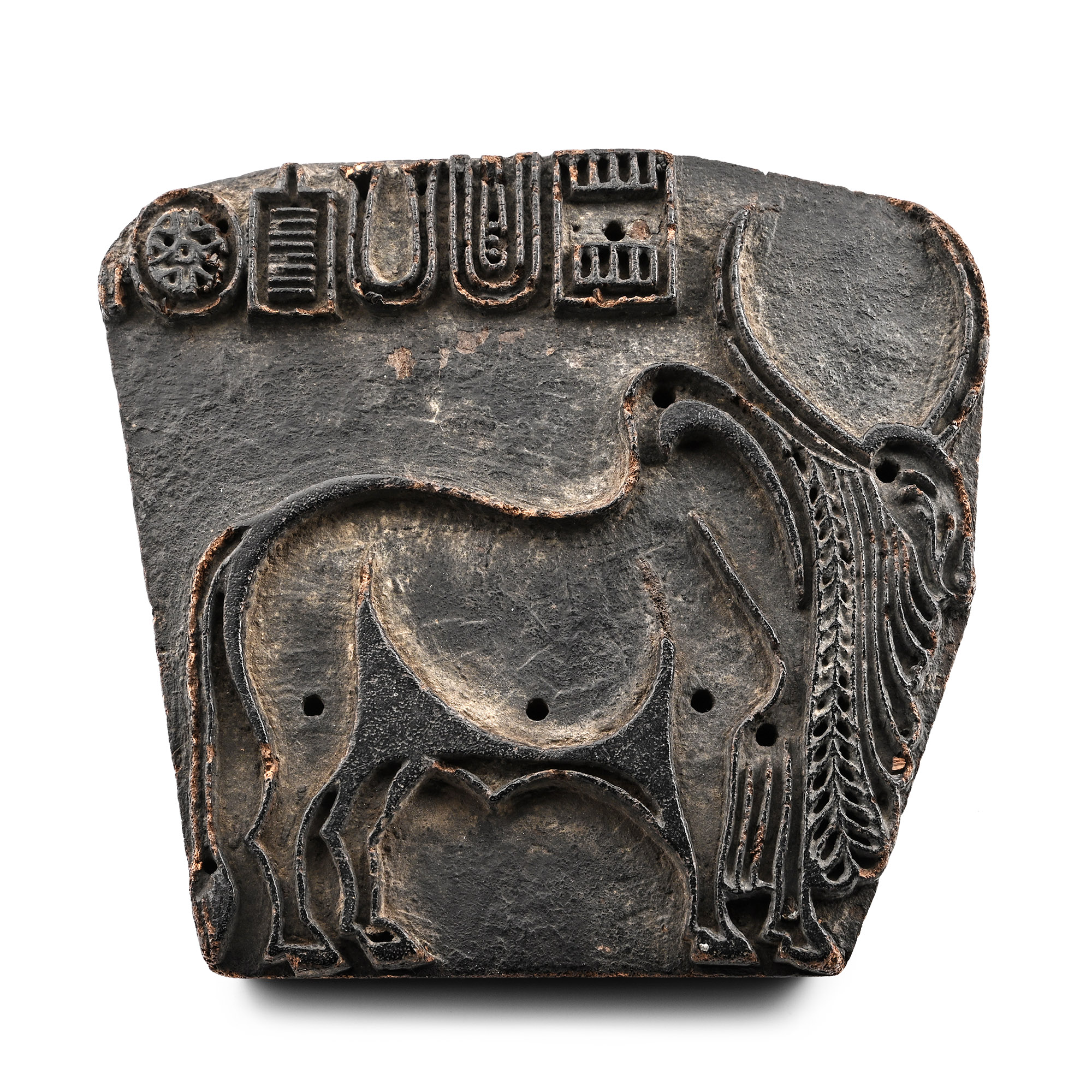
Tibetan Wooden Bread Stamp with Yak and Inscription
19TH CENTURY A.D.
6 in. (390 grams, 15.1 cm wide).
Trapezoidal in plan with a thick wedge-shaped handle; image of a zebu with idiograms above. [No Reserve]
ProvenancePrivate collection, UK.
CONDITIONTimeLine Auctions follows a vetting process to ensure the authenticity and legality of all items, reinforcing our commitment to integrity and responsible trading. Each antiquity, antique, and coin lot undergoes thorough examination by a vetting committee of at least ten external specialists, professional trade association members, scientists, and archaeologists: Our Vetting Process
AUCTIONS:
TimeLine is a leading auction house specialising in antiquities, ancient art, collectables, natural history, coins, medals, and books. Our auctions offer museums, collectors, historians, and enthusiasts the opportunity to acquire unique and historically significant pieces.
-
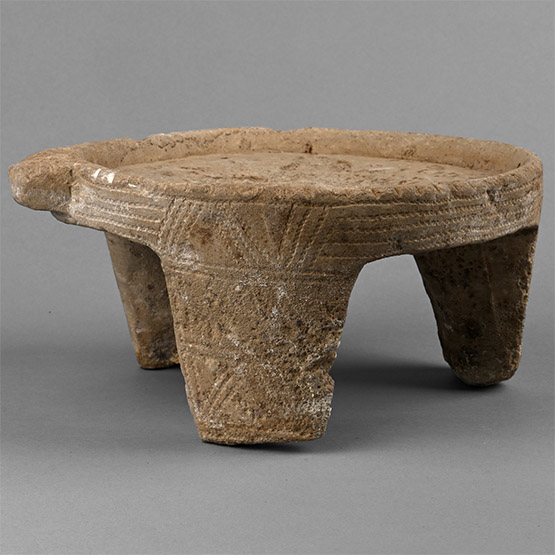
Hittite Limestone Altar
2nd-1st millennium B.C.Sold for (Inc. bp): £780
Carved from a limestone block with three trapezoidal stub legs, horizontal dished centre with notched edge to the raised rim and U-section pouring lip; panel of geometric linear ornament to the outer face of the body and legs; integral T-shaped reinforcing arms to underside. 3.5 kg, 26.3 cm wide
Private collection, Israel. with Archaeological Centre, Auction 59, no.433. Accompanied by a copy of the Archaeological Centre online catalogue page. -
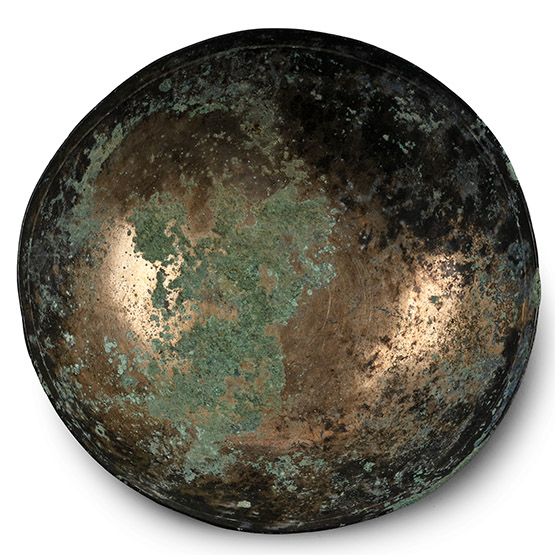
Sasanian Bronze Bowl
3rd-7th century A.D.Sold for (Inc. bp): £52
Hemispherical in profile with an incised ring to the inner face beneath the rim. 130 grams, 15.5 cm
From the collection of North West London, UK, gentleman, 1990-2000s. -
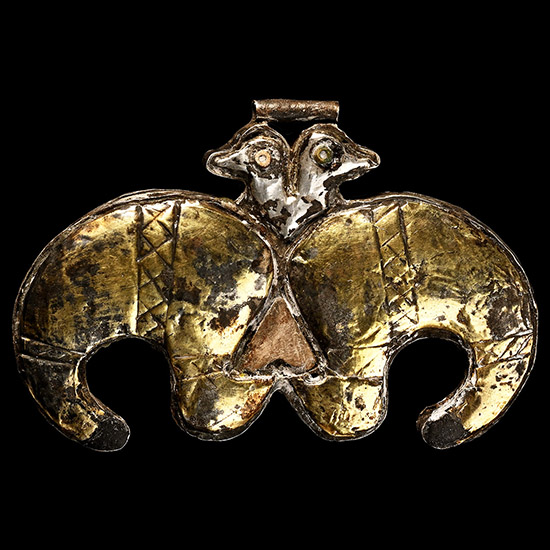
Proto-Elamite Silver Double Bird Pendant
Late 4th-early 3rd millennium B.C.Estimate: £1,500 - 2,000 (+bp*)
Opening Bid: £750
Plano-convex in section with gilt convex body panels each with hatched bands, addorsed bird-heads with inset eyes and suspension tube above. 19.91 grams, 71 mm
Acquired in the mid-1980s to early 1990s. Private collection, London, UK.
