
Loading, please wait...
LOT 2069
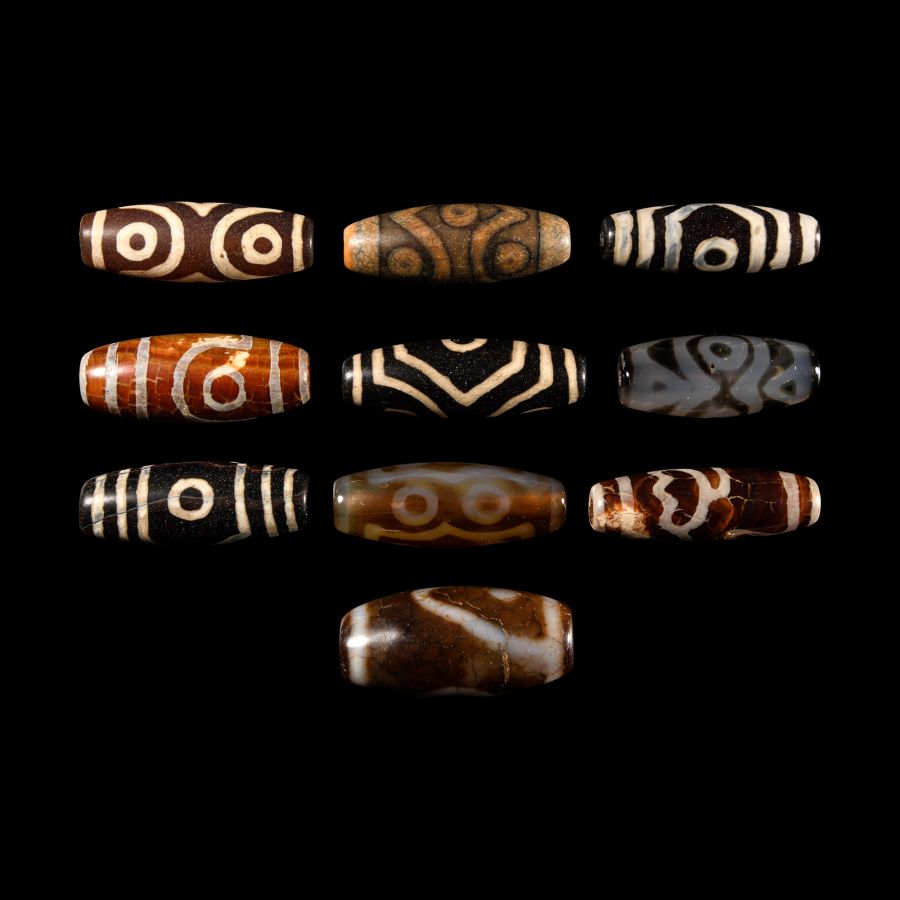
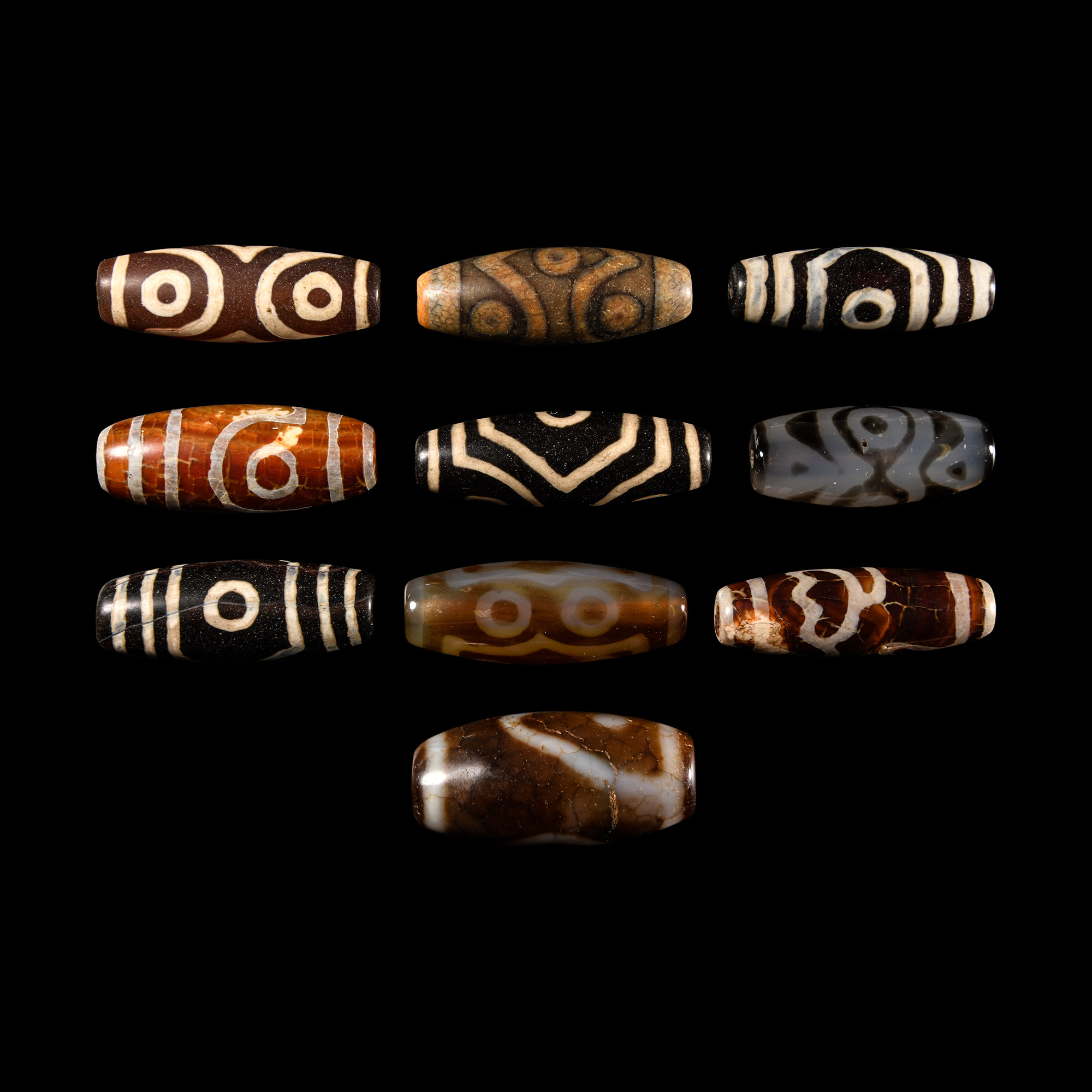
Tibetan Style Glass Eye Bead Group
20TH CENTURY A.D.
1 3/8 - 1 5/8 in. (137 grams total, 34-41 mm).
Mainly comprising differently sized beads imitating traditional 'etched' agate Zi beads. [10, No Reserve]
ProvenanceUK gallery, early 2000s.
CONDITIONTimeLine Auctions follows a vetting process to ensure the authenticity and legality of all items, reinforcing our commitment to integrity and responsible trading. Each antiquity, antique, and coin lot undergoes thorough examination by a vetting committee of at least ten external specialists, professional trade association members, scientists, and archaeologists: Our Vetting Process
AUCTIONS:
TimeLine is a leading auction house specialising in antiquities, ancient art, collectables, natural history, coins, medals, and books. Our auctions offer museums, collectors, historians, and enthusiasts the opportunity to acquire unique and historically significant pieces.
-
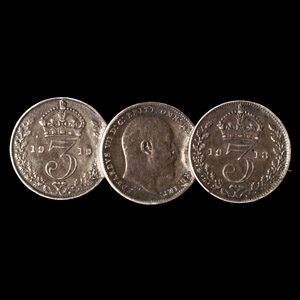
George V Silver Coin Pin Brooch
Circa 1920 A.D.Sold for (Inc. bp): £20
Group of three silver coins mounted on a silver hinged pin; two silver threepences of George V and one of Edward VII. 5.05 grams, 44 mm
Acquired 1960s-1990s. Late Alison Barker collection, a retired London barrister. Accompanied by an old dealer's ticket. -
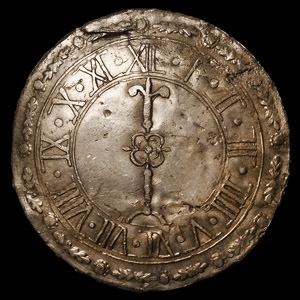
Post Medieval 'Thames' Pewter Toy Watch Face
Late 17th century A.D.Sold for (Inc. bp): £52
Displaying Roman numerals I-XII with half-hour pellets between, central rosette and hour hand with trefoil pointer, floral outer border. 3.53 grams, 33 mm
Found Billingsgate spoil from the Thames foreshore, London, UK. -
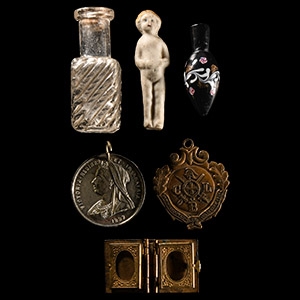
Post Medieval Artefact Collection
19th-20th century A.D.Sold for (Inc. bp): £33
Comprising a miniature clear glass bottle with decorative body; a black glass perfume bottle displaying floral motifs; a ceramic doll; locket in the form of a book; Wimbledon Company Southwark Regiment badge; pierced Queen Victoria Diamond Jubilee commemorative medal. 74 grams total, 36-52 mm
From an early 20th century collection, Carnavon, North Wales, UK.
