
Loading, please wait...
LOT 2108
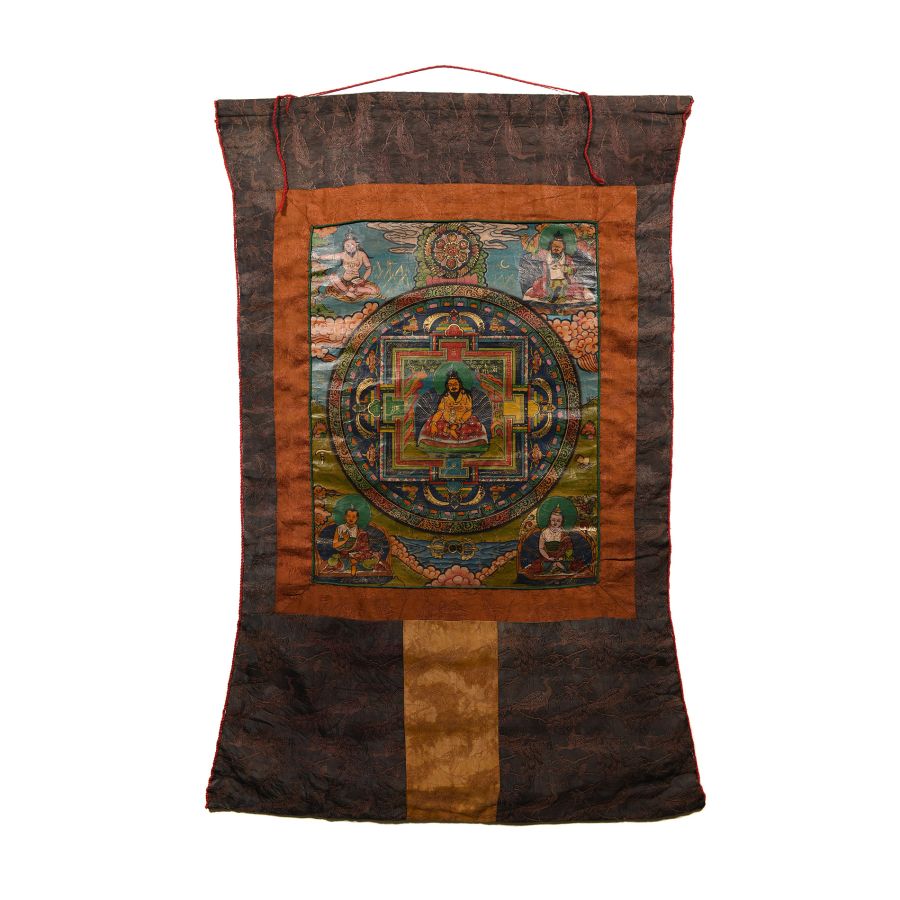
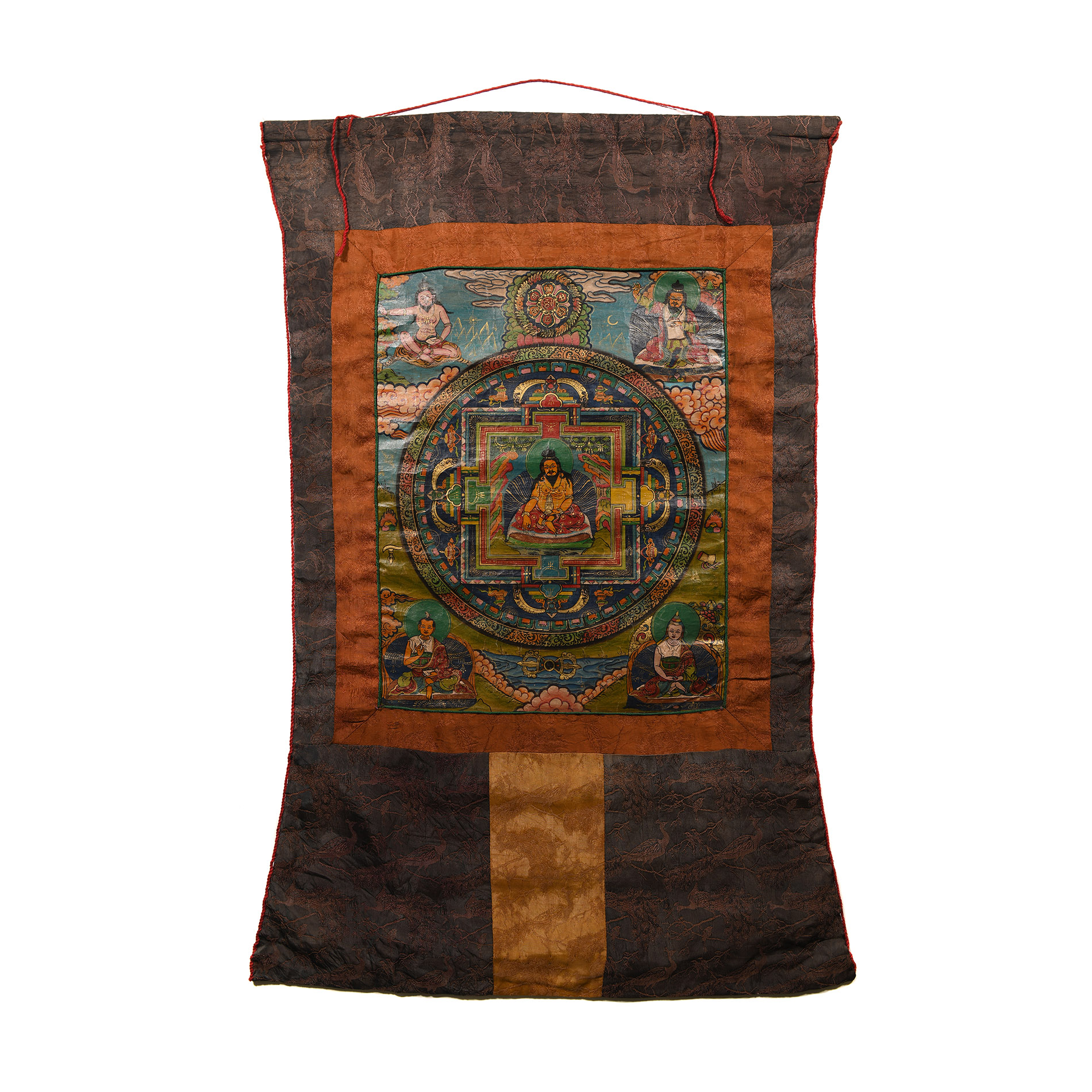
Tibetan Painted Thangka
19TH CENTURY A.D.
35 5/8 in. (239 grams, 90.5 cm high).
Depicting a vibrantly painted mandala on later backing fabric featuring a peacock bird; bar sewn into the fabric along the top edge. [No Reserve]
ProvenanceEx late Walter Steinberg collection.
Property of a lady, by inheritance.
TimeLine Auctions follows a vetting process to ensure the authenticity and legality of all items, reinforcing our commitment to integrity and responsible trading. Each antiquity, antique, and coin lot undergoes thorough examination by a vetting committee of at least ten external specialists, professional trade association members, scientists, and archaeologists: Our Vetting Process
AUCTIONS:
TimeLine is a leading auction house specialising in antiquities, ancient art, collectables, natural history, coins, medals, and books. Our auctions offer museums, collectors, historians, and enthusiasts the opportunity to acquire unique and historically significant pieces.
-
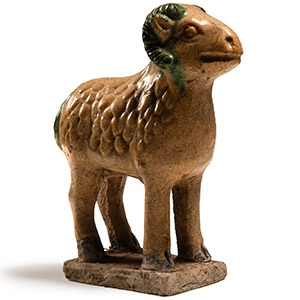
Chinese Glazed Terracotta Ram
Ming Dynasty, 1368-1644 A.D. or laterSold for (Inc. bp): £65
Modelled in the round standing on a rectangular base, decorated in a polychrome glaze, highlighting the horns, rump and hooves. 345 grams, 14 cm high
Acquired on the European art market before 2000. Ex property of a North London gentleman. Property of a Ruislip, UK, gentleman, by inheritance. Accompanied by a previous dealer's certificate of authenticity. -
.jpg)
Tibetan Banded Agate and Glass Bead Necklace
20th century A.D.Sold for (Inc. bp): £416
Composed of graduated agate and glass beads, including five fusiform agate beads with added Zi patterns; screw clasp. 63 grams, 70 cm long
London collection since the 1980s. Property of a Canadian family. -
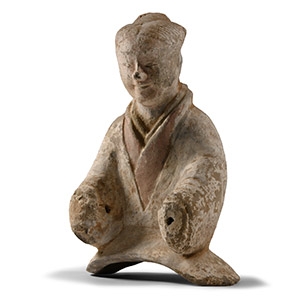
Chinese Han Terracotta Seated Lady
Han Dynasty, 206 B.C.-220 A.D.Sold for (Inc. bp): £338
With dressed hair, ample sleeves, layered robes and painted face. 1.7 kg, 36.5 cm high
Finely modelled.
Acquired before 2000. Collection of an American lady living in London.
