
Loading, please wait...
LOT 2129
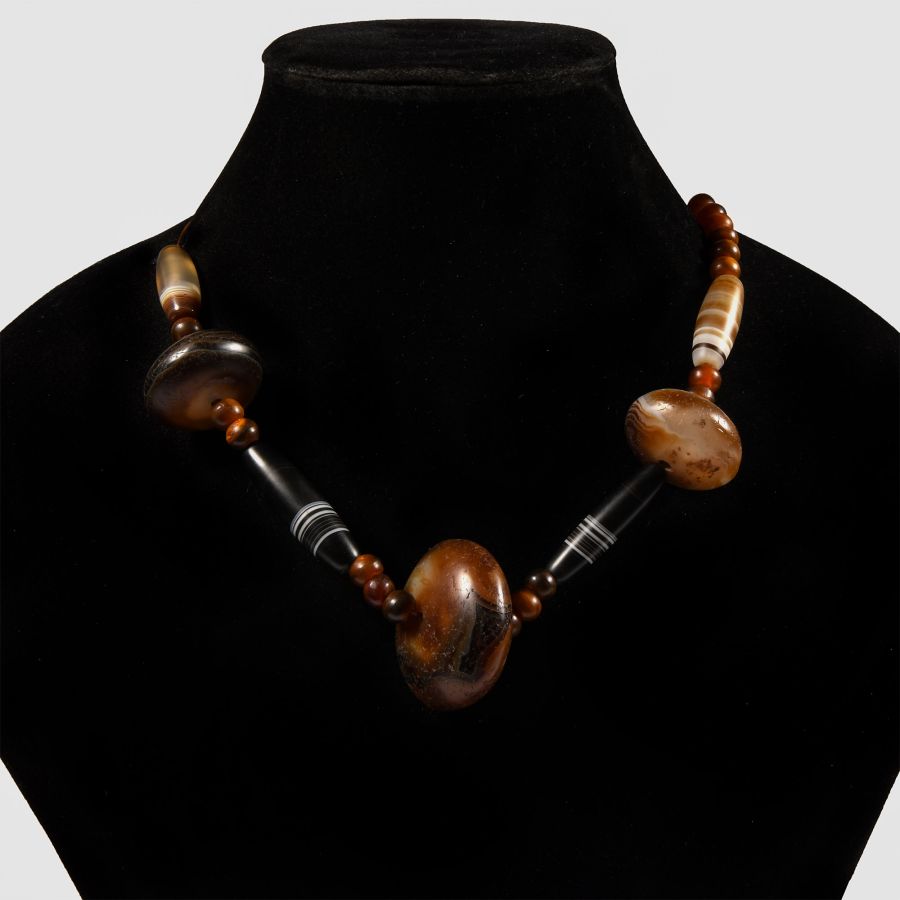
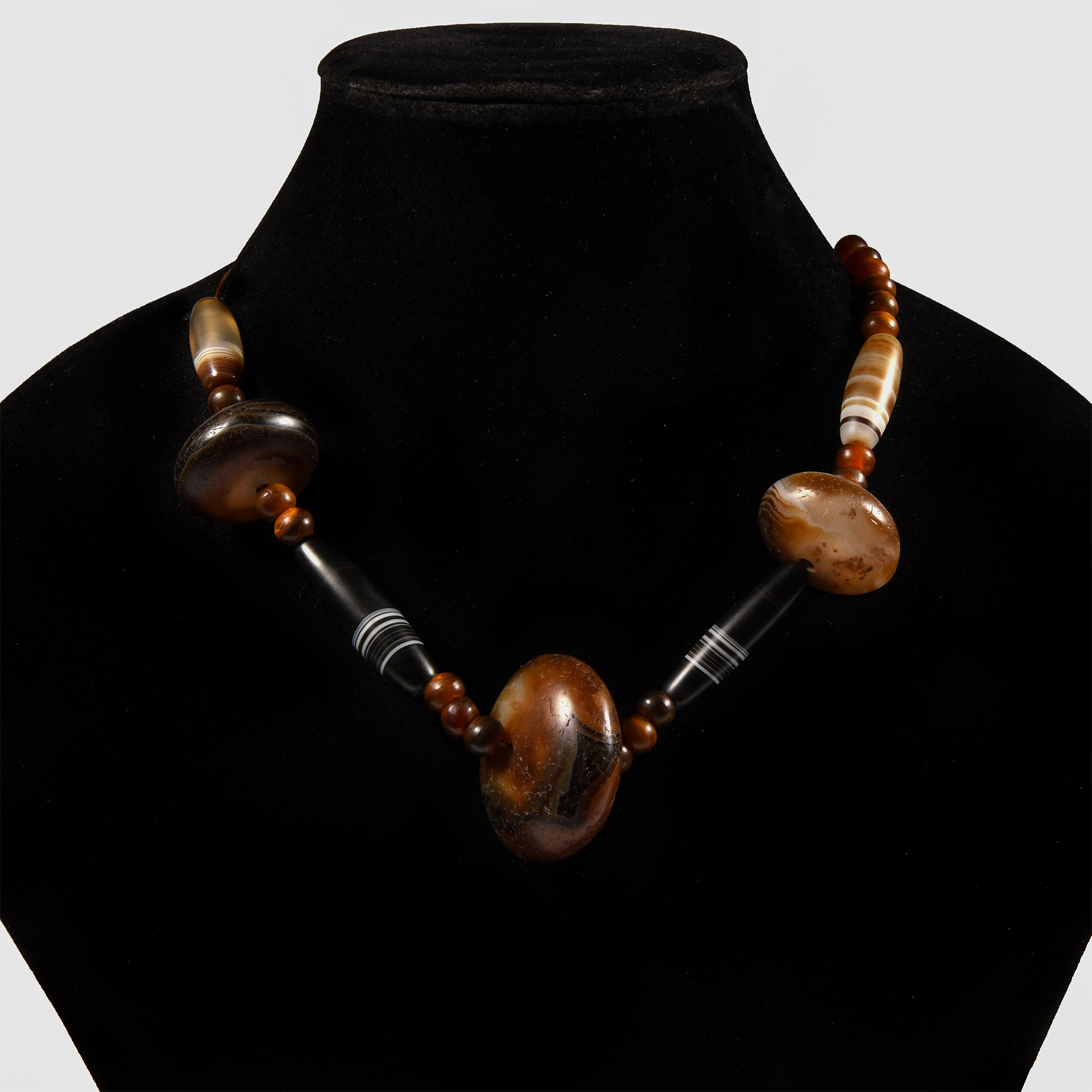
Tibetan Banded Agate Bead Necklace String
20TH CENTURY A.D.
21 1/4 in. (127 grams, 54 cm long).
Designer necklace composed of large irregular round agate beads and fusiform banded agate beads. [No Reserve]
ProvenanceAcquired 1970s onwards.
Private collection of Michael O'Hara, Cambridgeshire, UK.
Ex private collection of Benjamin Hyde-Smith, Hertfordshire, UK.
TimeLine Auctions follows a vetting process to ensure the authenticity and legality of all items, reinforcing our commitment to integrity and responsible trading. Each antiquity, antique, and coin lot undergoes thorough examination by a vetting committee of at least ten external specialists, professional trade association members, scientists, and archaeologists: Our Vetting Process
AUCTIONS:
TimeLine is a leading auction house specialising in antiquities, ancient art, collectables, natural history, coins, medals, and books. Our auctions offer museums, collectors, historians, and enthusiasts the opportunity to acquire unique and historically significant pieces.
-
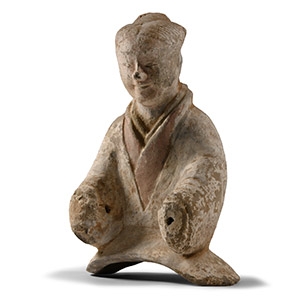
Chinese Han Terracotta Seated Lady
Han Dynasty, 206 B.C.-220 A.D.Sold for (Inc. bp): £338
With dressed hair, ample sleeves, layered robes and painted face. 1.7 kg, 36.5 cm high
Finely modelled.
Acquired before 2000. Collection of an American lady living in London. -
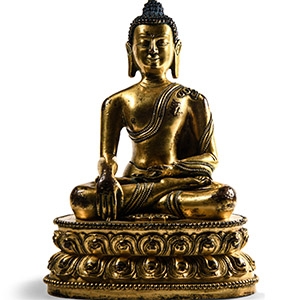
Sino-Tibetan Gilt Bronze Seated Buddha
Circa 19th-20th century A.D.Sold for (Inc. bp): £910
Modelled in the round on a double lotus base, positioned with crossed legs and hands in the Bhumisparsha and dhyana mudras, displaying a number of auspicious lakshanas including extended earlobes, three rings around the neck, urna and ushnisha; floral stamp to base. 989 grams, 15.6 cm high
Ex Empire Auction House, Boston, USA. Property of a Canadian family. -
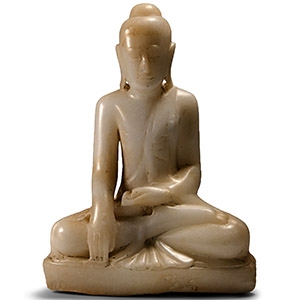
Thai Alabaster Buddha Touching the Earth
16th-17th century A.D. or laterEstimate: £300 - 400 (+bp*)
Opening Bid: £125
Carved in the round seated on a lotus flower base, right hand in Bhumisparsha mudra. 3.07 kg, 25 cm high
Acquired 1970s onwards. Private collection of Michael O'Hara, Cambridgeshire, UK. Ex private collection of Benjamin Hyde-Smith, Hertfordshire, UK.
