
Loading, please wait...
LOT 1454
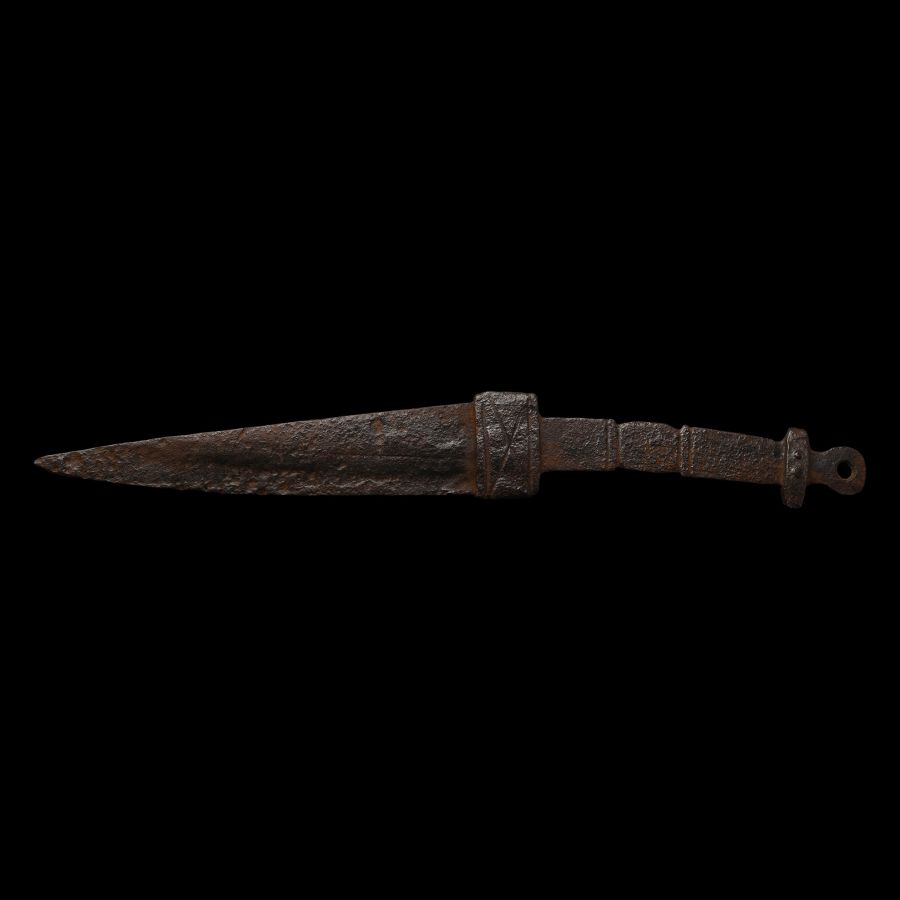
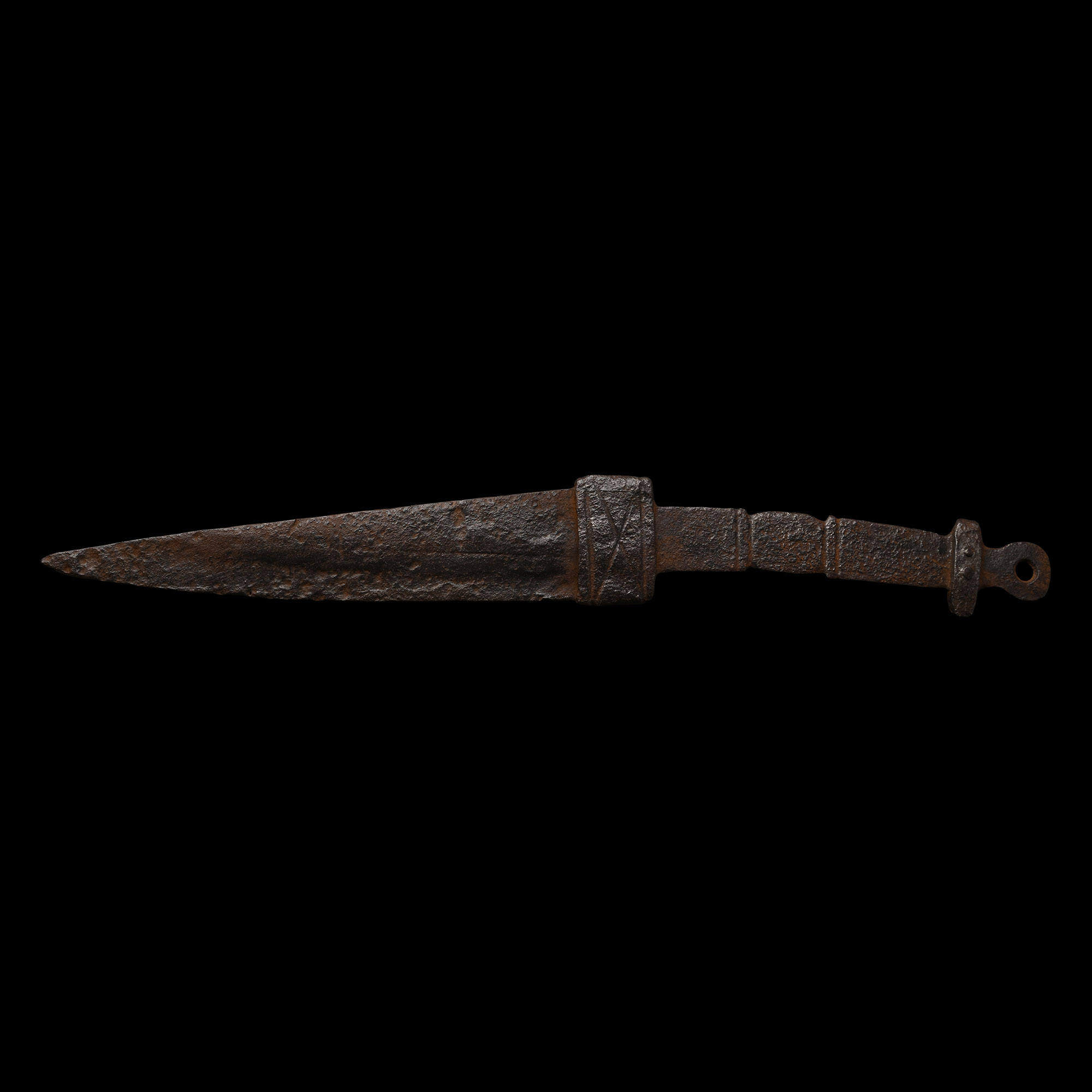
Thracian Iron Dagger
CIRCA 5TH-1ST CENTURY B.C.
13 5/8 in. (276 grams, 34.7 cm).
Single-edged curving upper blade, rectangular guard with incised saltire, segmented grip and upper guard fixed with pins, loop finial; rhomphaia type. [No Reserve]
ProvenanceEx North American collection, 1970s.
CONDITIONTimeLine Auctions follows a vetting process to ensure the authenticity and legality of all items, reinforcing our commitment to integrity and responsible trading. Each antiquity, antique, and coin lot undergoes thorough examination by a vetting committee of at least ten external specialists, professional trade association members, scientists, and archaeologists: Our Vetting Process
AUCTIONS:
TimeLine is a leading auction house specialising in antiquities, ancient art, collectables, natural history, coins, medals, and books. Our auctions offer museums, collectors, historians, and enthusiasts the opportunity to acquire unique and historically significant pieces.
-
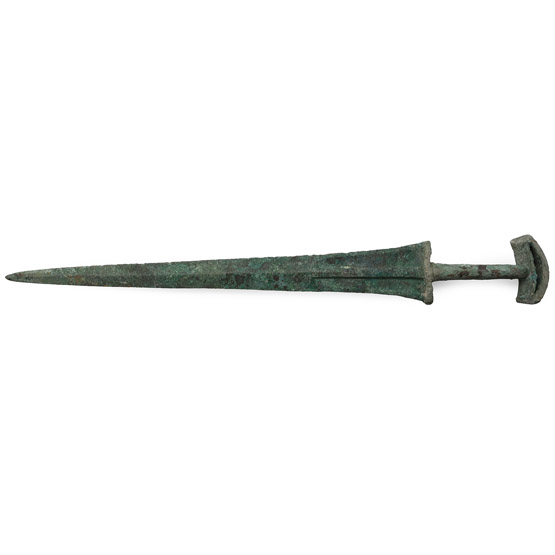
Luristan Bronze Short Sword
2nd-1st millennium B.C.Sold for (Inc. bp): £884
Triangular blade with single median rib, crescent-shaped hollow pommel open at the edges to accept an organic insert, columnar grip and lower guard at the juncture between hilt and blade. 499 grams, 50 cm
Ex Norri collection, Milton Keynes, Bedfordshire, UK, 1980s-1990s. -
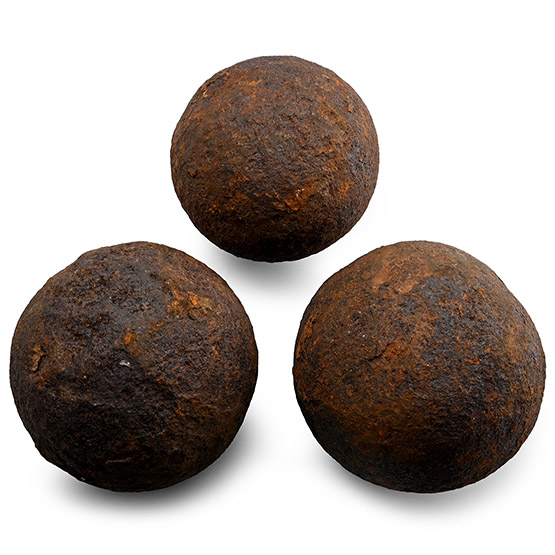
Civil War Period Iron Cannon Ball Collection
17th century A.D.Sold for (Inc. bp): £117
Group of three rough-cast cannonballs for a saker-type cannon, each approximately five pounds in weight and three inches diameter. 7.14 kg total, 76-87 mm
Found Southwell, Nottinghamshire, circa 1975. -
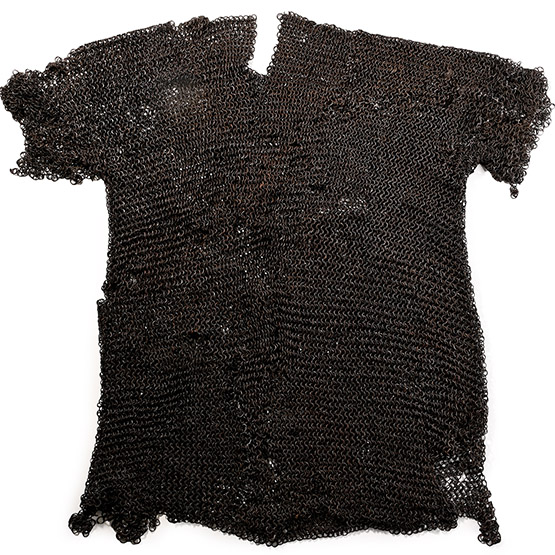
Frankish Warrior's Iron Byrnie Chain Mail Armour
Northern Europe, circa 6th-10th century A.D.Sold for (Inc. bp): £4,680
A nearly complete short-sleeved ring armour composed of interlocking links in the four-through-one formation with alternating rivetted rings. 4.71 kg, 65 x 75 cm
From the private collection of a London gentleman, from his grandfather's collection formed before the early 1970s. Accompanied by an academic report by Dr Raffaele D’Amato. This lot has been checked against the Interpol Database of stolen works of art and is accompanied by a search certificate number no.13041-248010.
The rings are arranged in rows, and the links within the same row do not join. Instead, each ring connects to two rings in the row above and two in the row beneath. A great majority of all-rivetted mail comes from Southern Scandinavia and Northern Europe, notably Sweden, northern Germany and Poland. All-rivetted mail already occurs there during the Roman Iron Age, and continues into the Migration, the Vendel, and then the Viking periods. Rivetted rings were usually fabricated by shaping metal wire into a circle with the ends overlapping several mm. Here, the riveted rings seem to be of reshaped oval form.
