
.jpg "Thrace, Ainos AE Chalkous.")
LOT 3108
Thrace, Ainos AE Chalkous. Circa 405-341 BC.
Head of Hermes to left, wearing petasos / Human hand holding kerykeion, grain of barley to left, crescent to right. CN Online 28819; May -; HGC 3 -. Near Very Fine. Extremely rare.(1.36gr, 12mm, 2h.).
ProvenanceAcquired on the European coin market.
Property of a Kent, UK, gentleman.
TimeLine Auctions follows a vetting process to ensure the authenticity and legality of all items, reinforcing our commitment to integrity and responsible trading. Each antiquity, antique, and coin lot undergoes thorough examination by a vetting committee of at least ten external specialists, professional trade association members, scientists, and archaeologists: Our Vetting Process
AUCTIONS:
TimeLine is a leading auction house specialising in antiquities, ancient art, collectables, natural history, coins, medals, and books. Our auctions offer museums, collectors, historians, and enthusiasts the opportunity to acquire unique and historically significant pieces.
-
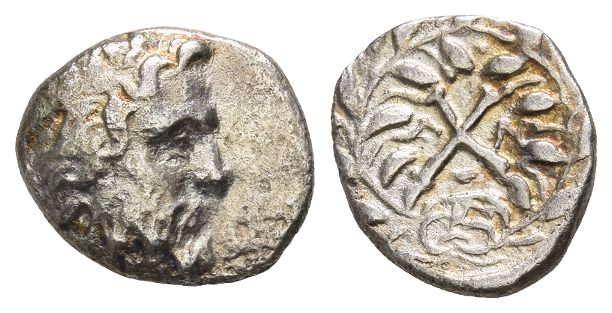
Achaia. Achaian League, Uncertain Mint AR Triobol or Hemidrachm. Circa 280-146 BC.
Sold for (Inc. bp): £156
Laureate head of Zeus to right / Monogram of the Achaian League; Λ-Ν(?) across fields, uncertain symbol below. 2.22gr, 15mm, 9h.
Near Very Fine.
Acquired on the UK art market. From the collection of Mr Carlos Bahamonde, Manchester, UK. -
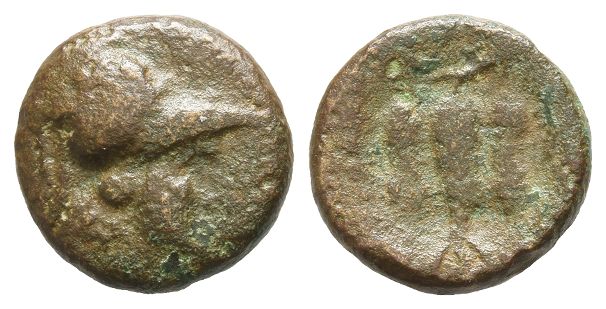
Pamphylia, Side AE 15mm. Circa 2nd-1st century BC.
Sold for (Inc. bp): £7
Head of Athena to right, wearing crested Corinthian helmet / Pomegranate. SNG BnF 770. 3.26gr, 15mm, 6h.
Very Fine.
Acquired on the European coin market. Property of a Kent, UK, gentleman. -
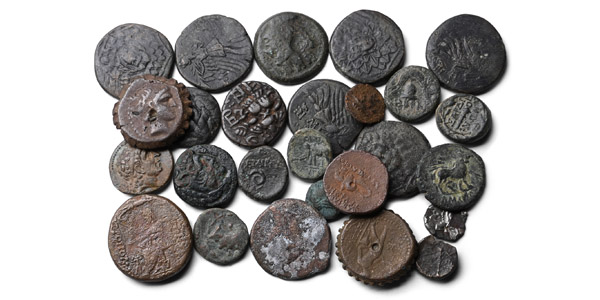
Group of Twenty Five (25) Greek AE Coins. Circa 3rd-1st century BC.
Sold for (Inc. bp): £156
Comprising: mixed rulers, issues, denominations and reverse types. 130gr total.
As shown.
Property of a Cambridgeshire, UK, gentleman.
