
Loading, please wait...
LOT 0402
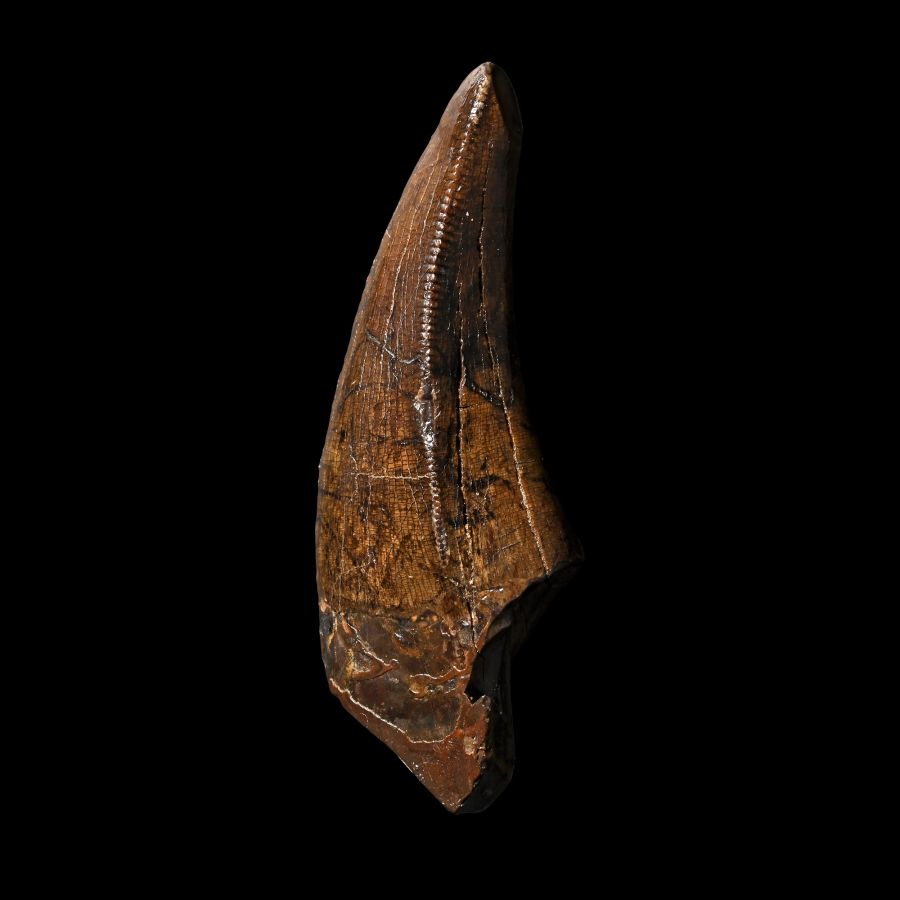
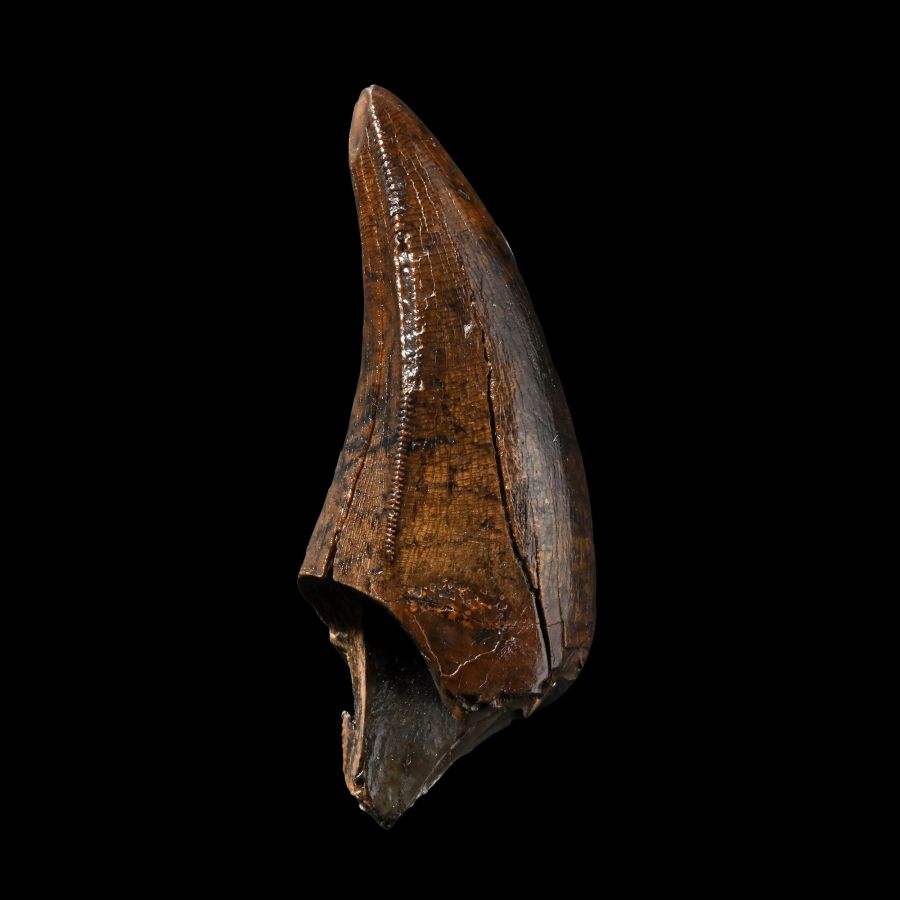
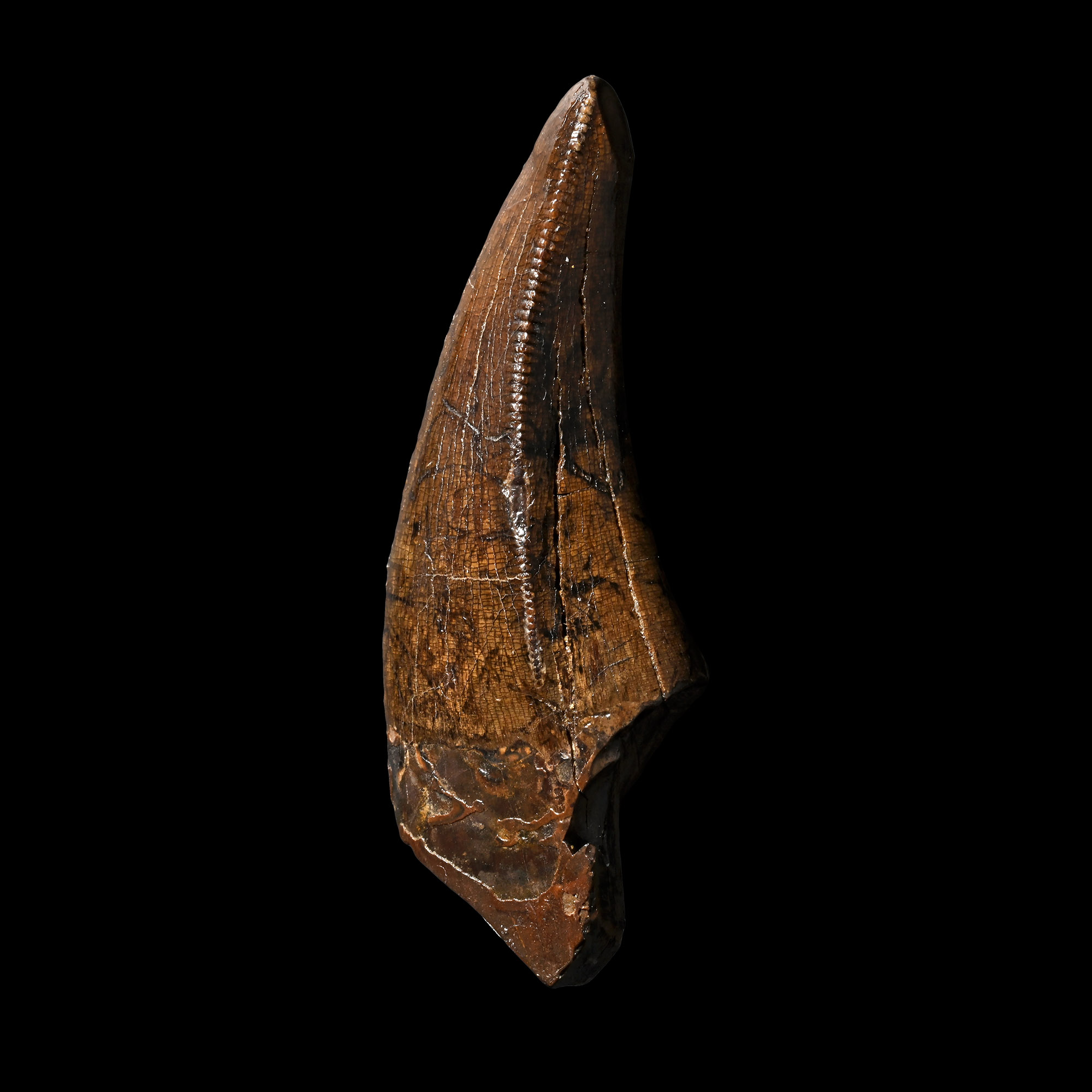
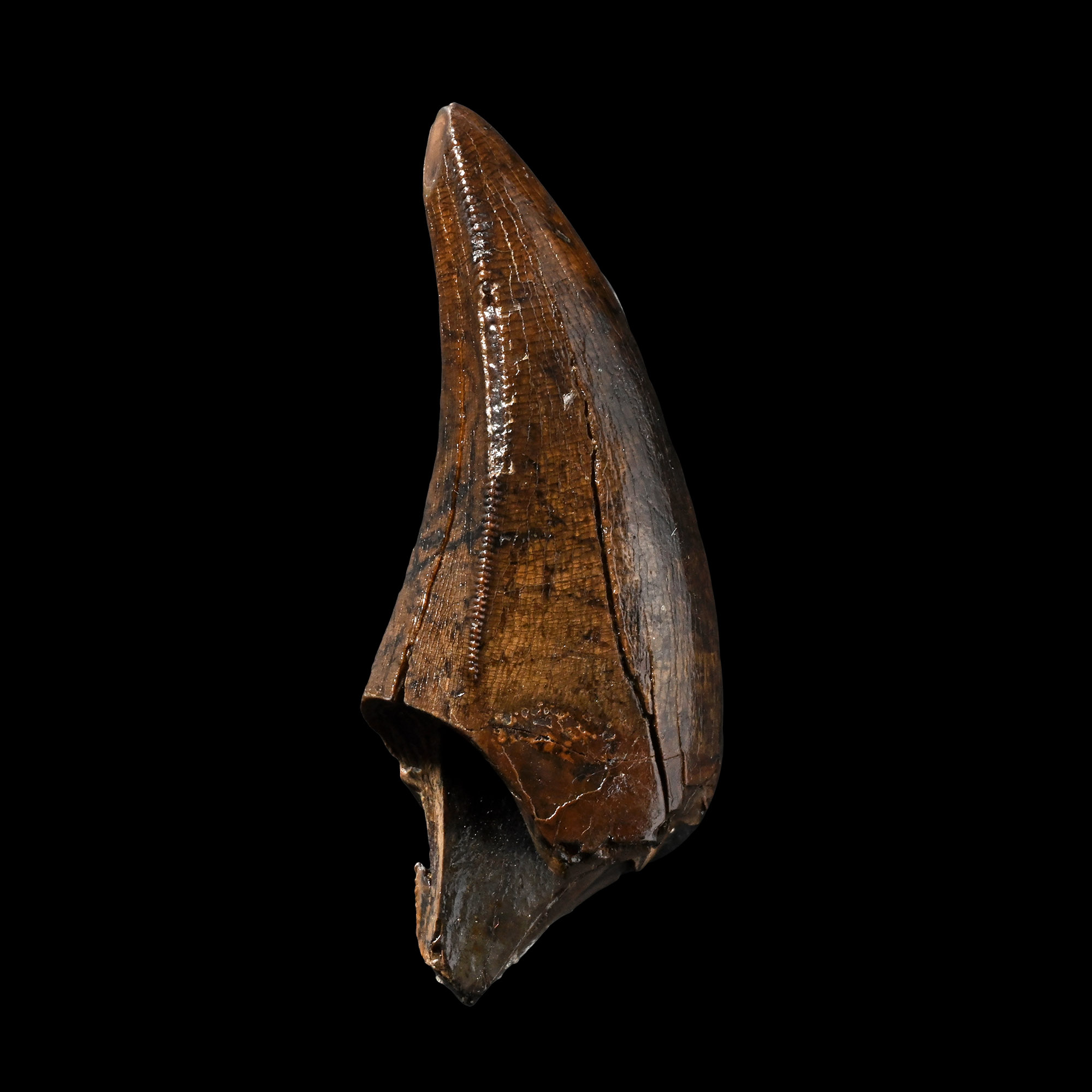
The Tooth of a North American Tyrannosaurus-Rex from Montana
MAASTRICHTIAN, UPPER CRETACEOUS, CIRCA 67-66 MILLION YEARS B.P.
2 1/8 in., 4 7/8 in. (53 grams total, tooth: 54 mm, 12.5 cm including stand).
A well-preserved large tooth with knife-like serrations on two edges, designed to slice through flesh and bone, displaying beautiful dark brown patina.
ProvenanceFound in the Hells Creek Formation, Montana, USA.
Property of a Bristol, UK, gentleman collector.
The most famous and iconic of all dinosaur species, the Tyrannosaurus rex, was first described by Henry Fairfield Osborn in 1905 from a skeleton found in 1902, from the Hell Creek Formation in Montana. An adult Tyrannosaurus would have weighed almost nine tonnes, standing over 4 meters tall at the hip and exceeding 13 meters in length. It is no wonder this theropod was the top predator of the Late Cretaceous, and amongst the last dinosaurs to walk the Earth before their mass extinction. The present tooth offers an incredible insight into how these ferocious creatures lived, characterised by its unique curved and serrated shape, which was specifically adapted to help the dinosaur tear through hides and flesh, with the curvature allowing maximum force to be applied as it tore into its prey.
CONDITIONTimeLine Auctions follows a vetting process to ensure the authenticity and legality of all items, reinforcing our commitment to integrity and responsible trading. Each antiquity, antique, and coin lot undergoes thorough examination by a vetting committee of at least ten external specialists, professional trade association members, scientists, and archaeologists: Our Vetting Process
AUCTIONS:
TimeLine is a leading auction house specialising in antiquities, ancient art, collectables, natural history, coins, medals, and books. Our auctions offer museums, collectors, historians, and enthusiasts the opportunity to acquire unique and historically significant pieces.
LOT 0402
The Tooth of a North American Tyrannosaurus-Rex from Montana
Sold for (Inc. bp): £4,680
-
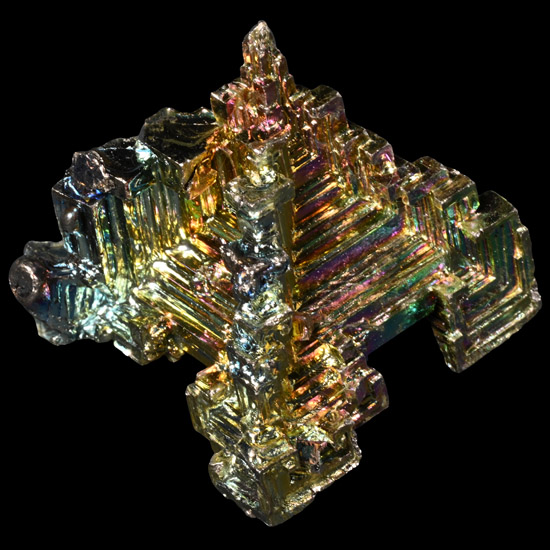
Bismuth Crystal Display Formation
Sold for (Inc. bp): £20
Cluster of hopper crystals exhibiting a stairstep crystal structure and iridescent colours. 15 grams, 33 mm
From a Cambridgeshire, UK, collection. -
![Group of Ten [10] Cut and Polished Agate Geode Slices](https://timelineauctions.com/upload/images/items/small/256011-s.jpg)
Group of Ten [10] Cut and Polished Agate Geode Slices
Sold for (Inc. bp): £46
Comprising ten polished transparent to translucent slices, some with crystal-lined centres, and one with dendritic inclusions. 844 grams total, 9-14 cm
From Brazil. Ex Mineral Imports, London, UK. Gregory, Bottley & Lloyd (Gregory's), Harwich, UK. -
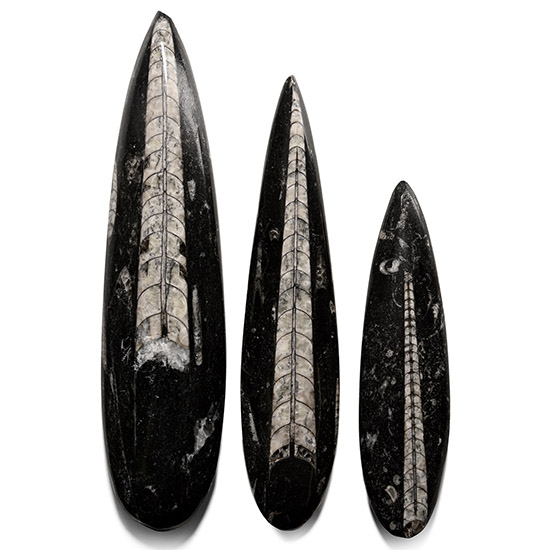
Large Polished Fossil Orthoceras Specimen Collection
Devonian Period, circa 417-354 million years B.P.Sold for (Inc. bp): £39
Comprising three polished teardrop-shaped specimens. 470 grams total, 14-20.5 cm
From the private collection of Kenneth Machin (1936-2020), Buckinghamshire, UK; his collection of antiquities and natural history was formed since 1948; thence by descent.
