
Loading, please wait...
LOT 0276
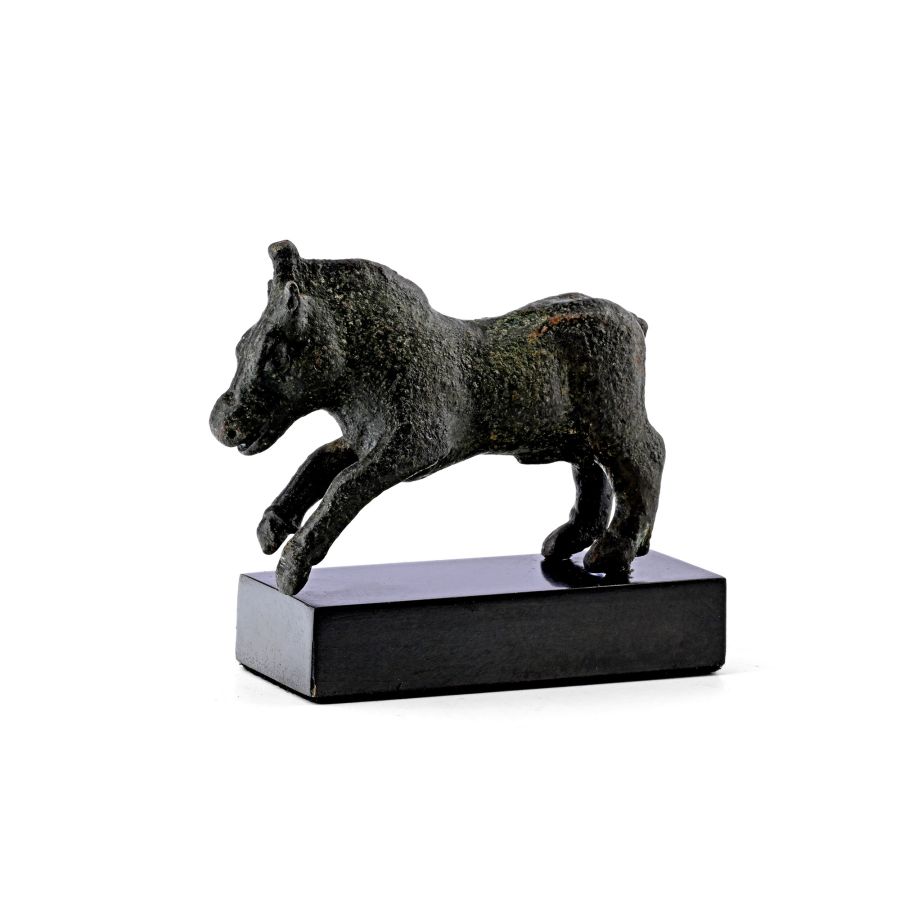
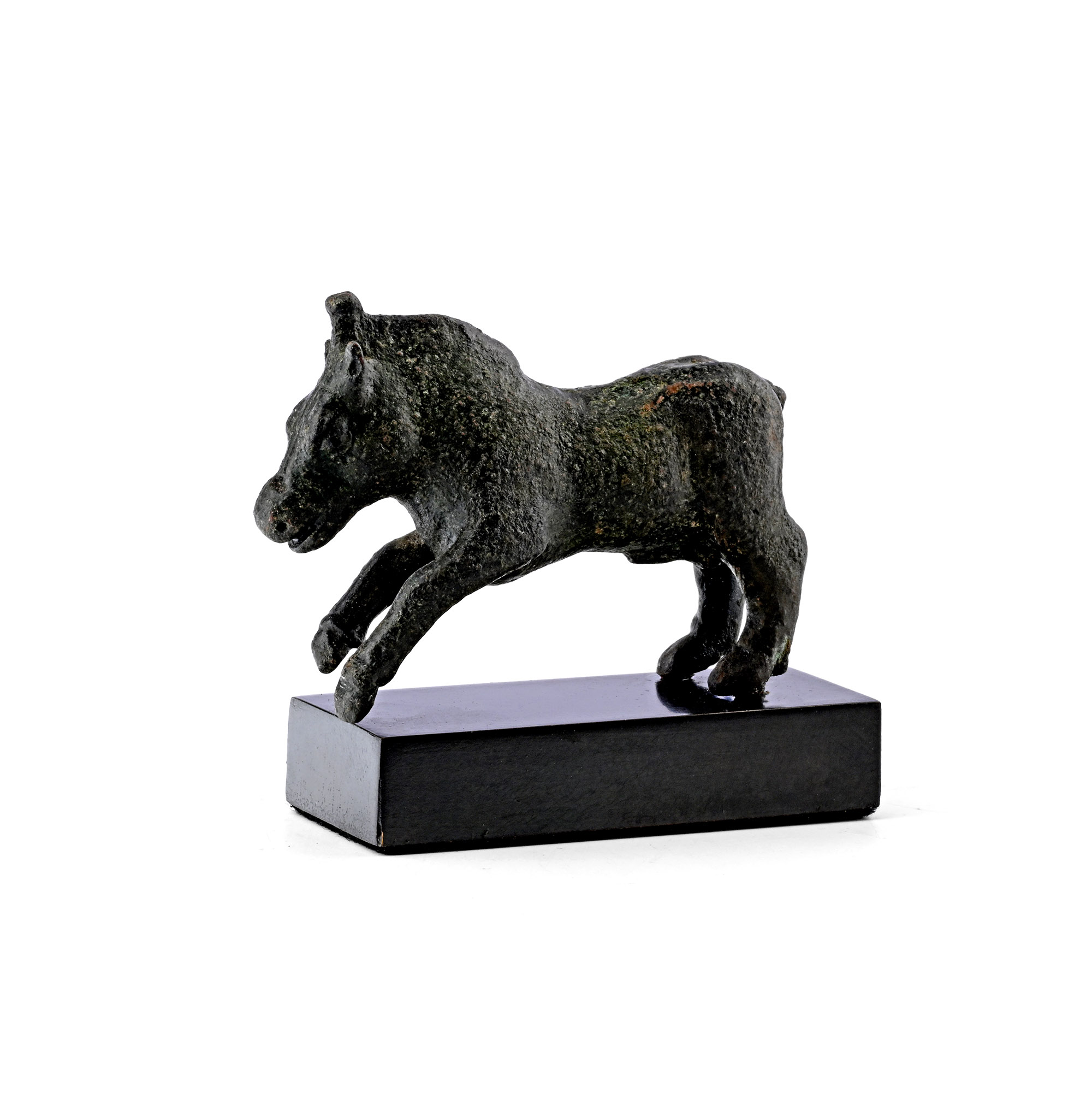
'The Miller' Romano-Celtic Bronze Leaping Boar Statuette
1ST CENTURY B.C.-1ST CENTURY A.D.
2 7/8 in. (165 grams total, 73 mm wide including stand).
Depicted in a dynamic pose with its front legs raised and the weight of the body borne on its hind legs, flared nostrils and large, round eyes; mounted on a custom-made display stand.
ProvenanceFound Hampshire, UK, in the 1980s.
From the collection of the late David Miller of Hemel Hempstead, UK, and a Cambridge collection of the 2000s.
Accompanied by a previously illustrated catalogue card with provenance.
This lot has been checked against the Interpol Database of stolen works of art and is accompanied by search certificate number no.13378-258774.
See Boucher, S. & Tassinari, S., Musée de la Civilisation Gallo-Romaine a Lyon: Bronzes Antiques I. Inscriptions, Statuaire, Vaisselle, Lyon, 1976, item 19, for type; Boucher, S., Recherches sur les bronzes figures de Gaule Pre-Romaine et Romaine, 1976, Rome, pl.66, fig.316, for type.
FootnotesThe small statuettes of boars found in Roman Britain and Gaul were likely used as votive figurines for cult places. They were widespread in the Roman provinces of Celtic origin. However, one cannot exclude the fact that many boars found in Britain belong to the pre-conquest era. One of the few types of bronze figurines that are known to precede the arrival of the Romans is, in fact, that of the boars.
CONDITIONTimeLine Auctions follows a vetting process to ensure the authenticity and legality of all items, reinforcing our commitment to integrity and responsible trading. Each antiquity, antique, and coin lot undergoes thorough examination by a vetting committee of at least ten external specialists, professional trade association members, scientists, and archaeologists: Our Vetting Process
AUCTIONS:
TimeLine is a leading auction house specialising in antiquities, ancient art, collectables, natural history, coins, medals, and books. Our auctions offer museums, collectors, historians, and enthusiasts the opportunity to acquire unique and historically significant pieces.
LOT 0276
'The Miller' Romano-Celtic Bronze Leaping Boar Statuette
Estimate £3,000 - 4,000€3,480 - 4,640 (for guidance only)$4,050 - 5,400 (for guidance only)
-
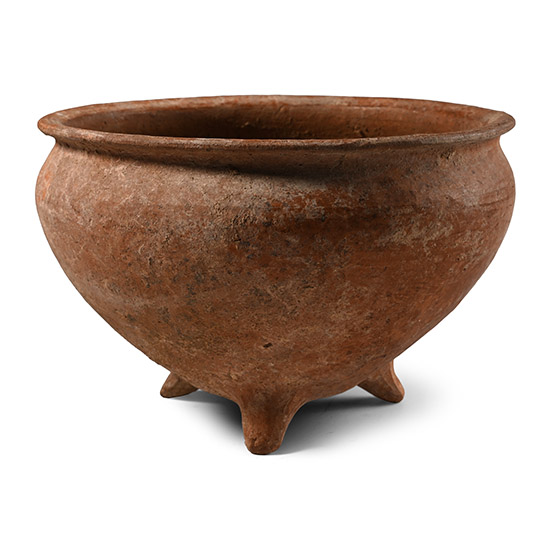
Iron Age Belgic Terracotta Tripod Bowl
2nd century B.C.-1st century A.D. or laterSold for (Inc. bp): £130
Comprising a wide body with an everted rim, three flaring stub legs beneath the bowl; an old inked collector's number '2' on the side. 500 grams, 16.5 cm
Previously from the Eileen Lewenstein collection, gifted in the 1970s. From the Ffestiniog pottery collection, Wales, UK. -
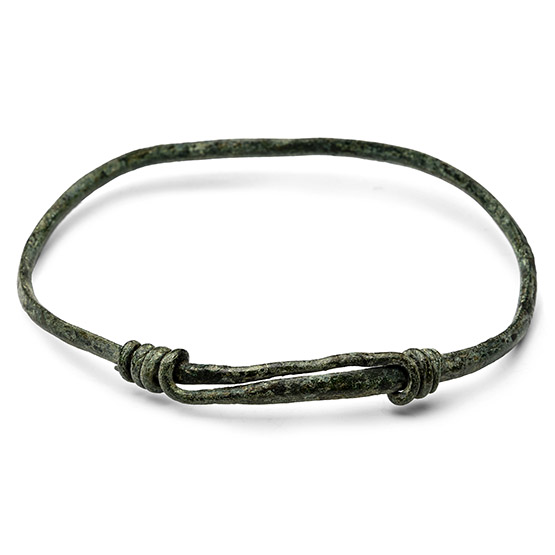
Celtic Bronze Armlet with Coiled Bezel
Iron Age, circa 2nd century B.C.-1st century A.D.Sold for (Inc. bp): £98
Formed from a single lentoid-section rod with the ends wound around the shank in a sliding knot. 22.2 grams, 88 mm
From the collection of a late Gloucestershire, UK, collector. -
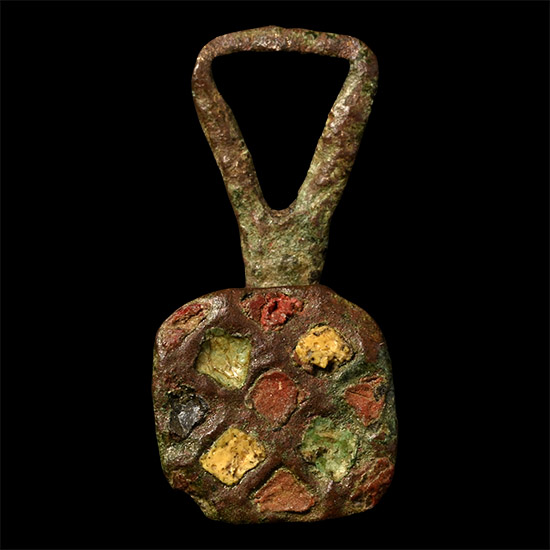
Celtic Enamelled Bronze Clothes Fastener
Iron Age, 1st century B.C.-1st century A.D.Sold for (Inc. bp): £85
Composed of a square panel with a face divided into cells with red, yellow and green enamel fill; a trapezoidal loop and attachment arm. 6.3 grams, 35 mm
From the private collection of the late collection of Mr M., Waterlooville, Hampshire, UK, formed from the late 1980s to early 1990s.
