
Loading, please wait...

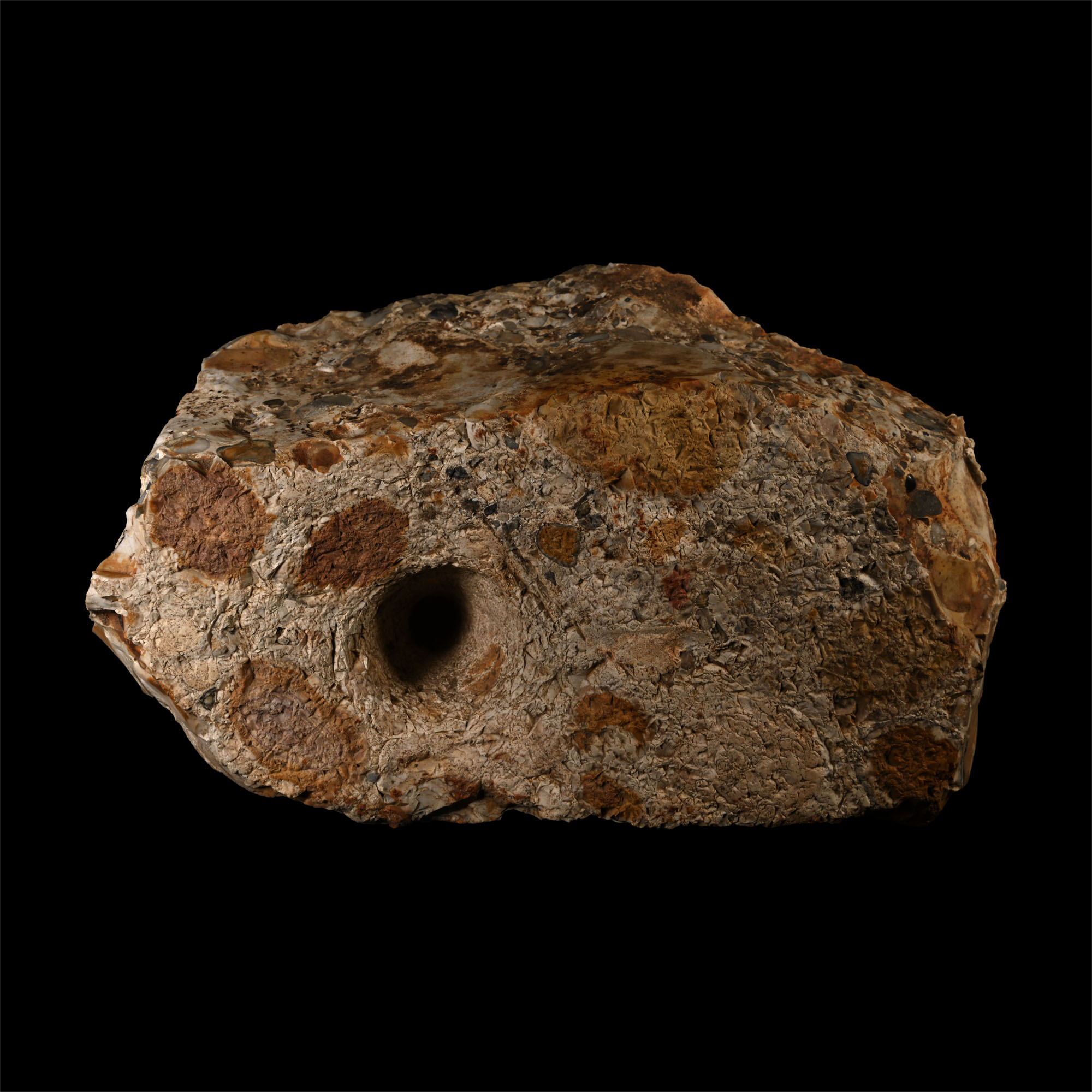
LOT 1852
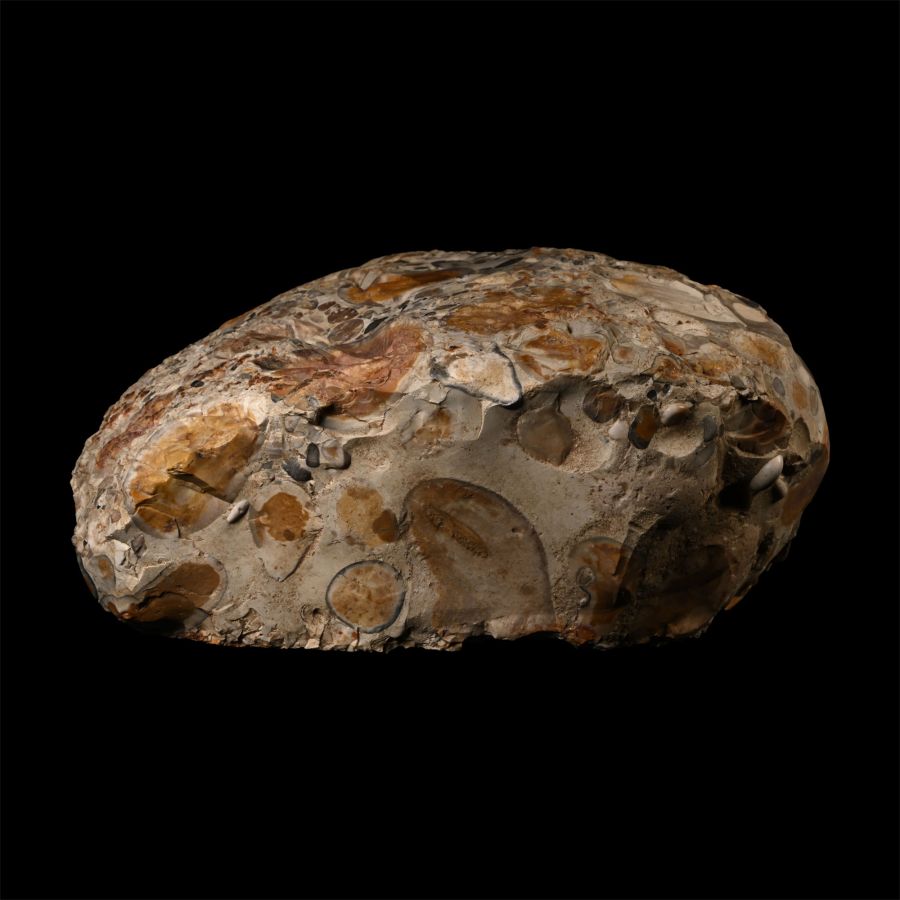
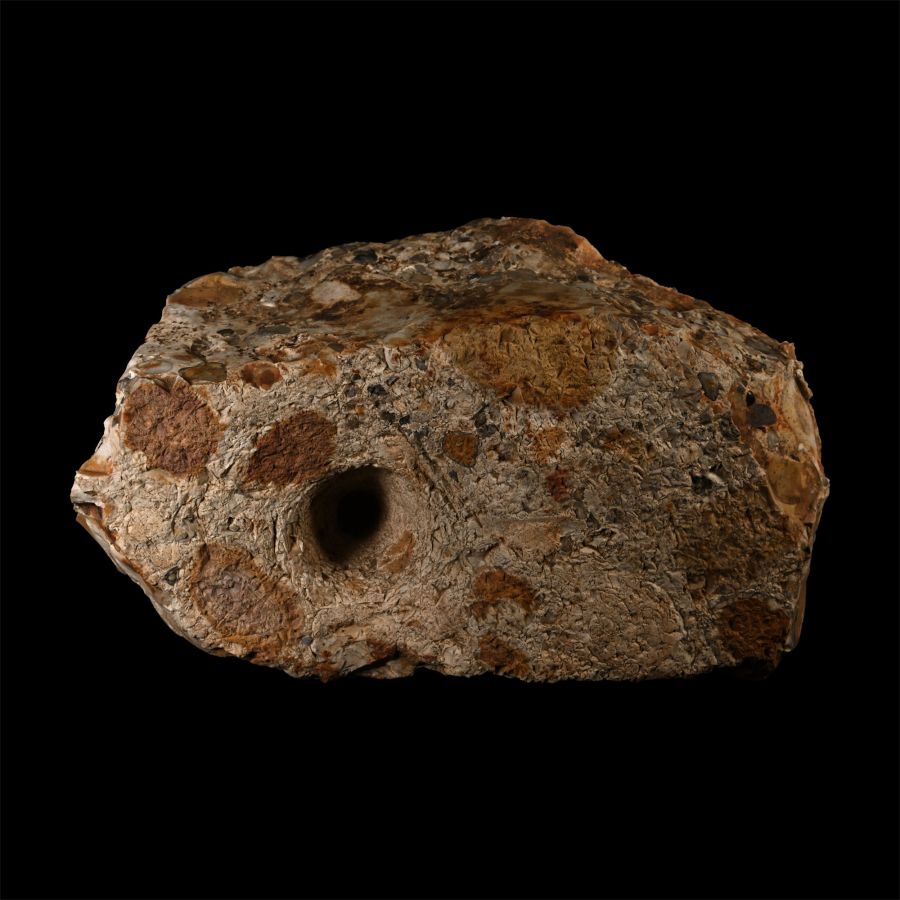
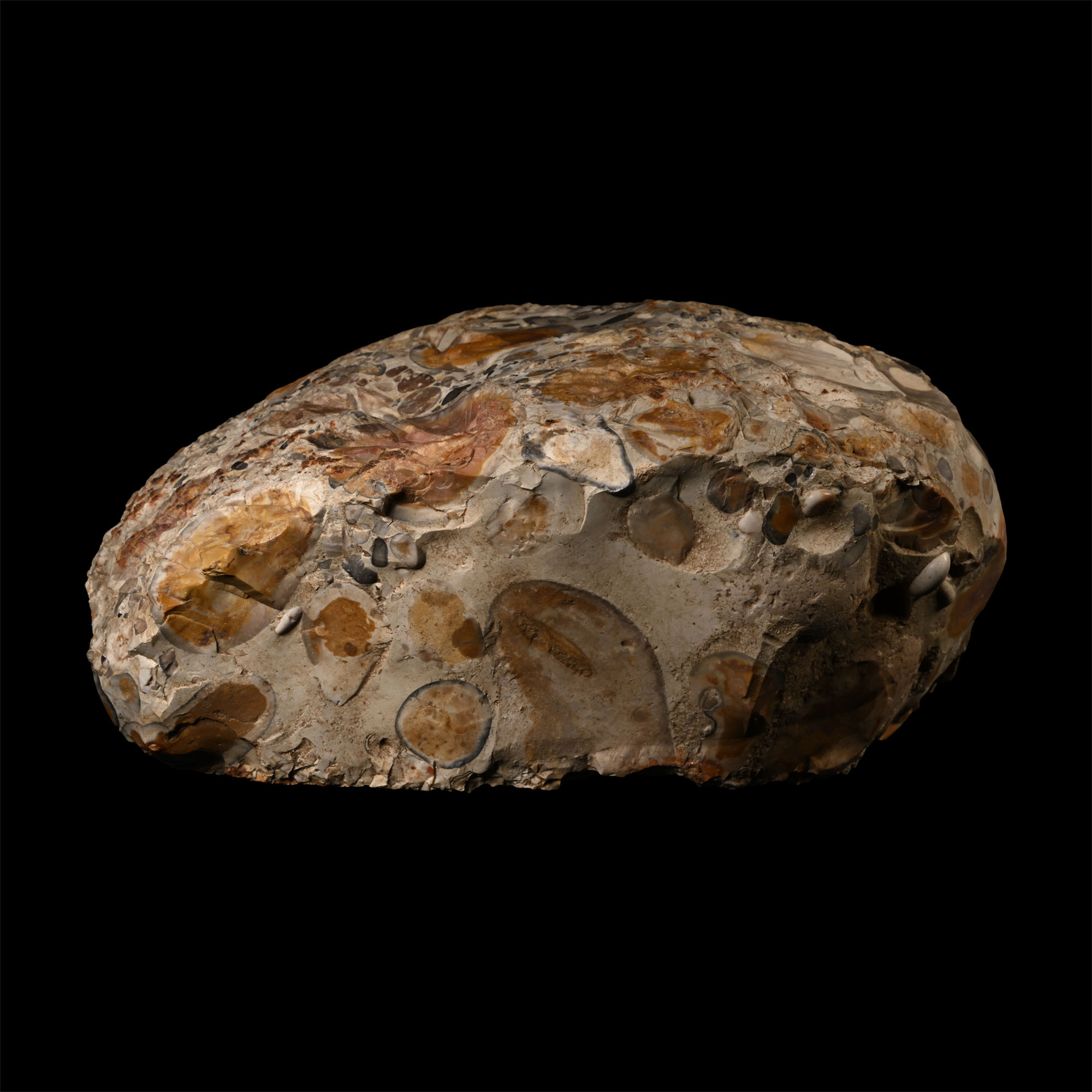
'The Great Horkesley' Late Iron Age Celtic to Early Roman Puddingstone Quern
BRITAIN, 10-160 A.D.
9 1/4 in. (4.6 kg, 23.5 cm).
Large fragment from a quern with ground conical hollow to the upper face; puddingstone matrix with many inclusions. [No Reserve]
ProvenanceFound Great Horkesley, Essex, UK, on Monday 1st April 2024.
Accompanied by a copy of the British Museum's Portable Antiquities Scheme (PAS) report no.SF-4DB848.
This lot is accompanied by an illustrated lot declaration signed by the Head of the Antiquities Department, Dr Raffaele D’Amato.
TimeLine Auctions follows a vetting process to ensure the authenticity and legality of all items, reinforcing our commitment to integrity and responsible trading. Each antiquity, antique, and coin lot undergoes thorough examination by a vetting committee of at least ten external specialists, professional trade association members, scientists, and archaeologists: Our Vetting Process
AUCTIONS:
TimeLine is a leading auction house specialising in antiquities, ancient art, collectables, natural history, coins, medals, and books. Our auctions offer museums, collectors, historians, and enthusiasts the opportunity to acquire unique and historically significant pieces.
LOT 1852
'The Great Horkesley' Late Iron Age Celtic to Early Roman Puddingstone Quern
Sold for (Inc. bp): £98
-

Iron Age Celtic Bronze Ribbed Bracelet or Proto-Money
La Tène B, 3rd century B.C.Sold for (Inc. bp): £78
D-shaped in section, segmented on the outer face into a series of convex knobs, each separated by a groove. 116 grams, 57 mm
with H.A.C.A.G., Basel, prior 1999. Accompanied by a copy of an Art Loss Register certificate no.S00103135. This lot is accompanied by an illustrated lot declaration signed by the Head of the Antiquities Department, Dr Raffaele D’Amato.
After the end of the Bronze Age, bronze was still extensively used for weapons and ornaments, which have usually survived far better than the rust-prone remains of early iron tools. From Celtic Europe, we have a great amount of small bracelets and bronze rings worn by people of modest means in the centuries leading up to the emergence of the classical period. -
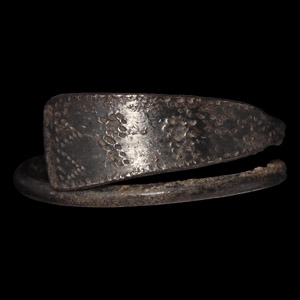
Iron Age Celtic Silver Decorated Ring
1st century B.C.-1st century A.D.Sold for (Inc. bp): £65
Comprising a round-section shank with spatulate finial, pointillé ornament. 2.21 grams, 22.38 mm overall, 18.30 mm internal diameter (approximate size British Q, USA 8, Europe 17.49, Japan 16)
Ex German art market, 2000s. Acquired from an EU collector living in London. From the collection of Surrey, UK, gentleman. This lot is accompanied by an illustrated lot declaration signed by the Head of the Antiquities Department, Dr Raffaele D’Amato. -
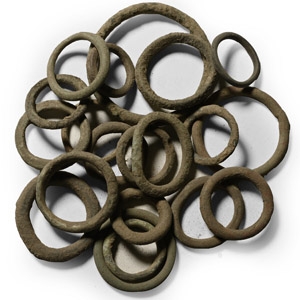
Iron Age Celtic Bronze Large Proto-Ring Money Collection
Circa 3rd-1st century B.C.Sold for (Inc. bp): £59
A 'proto-money' or harness ring group comprising round-section hoops. 147 grams total, 22-50 mm
From an English collection formed before 2000. This lot is accompanied by an illustrated lot declaration signed by the Head of the Antiquities Department, Dr Raffaele D’Amato.
