
Loading, please wait...




LOT 0188
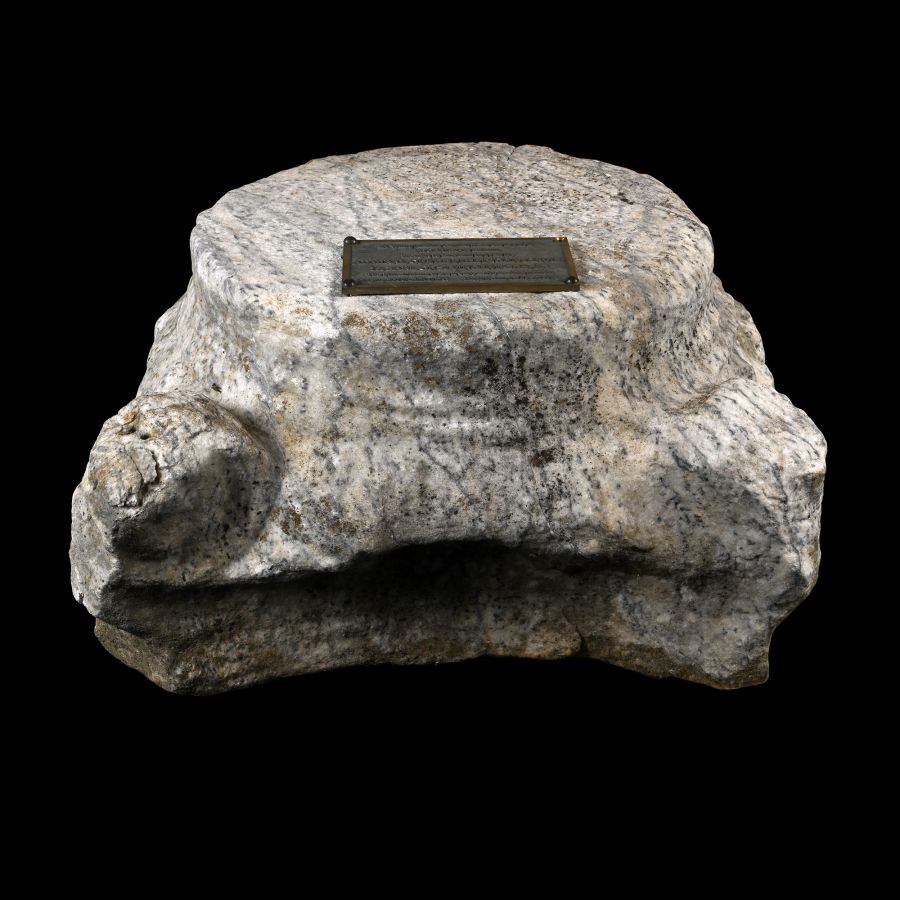
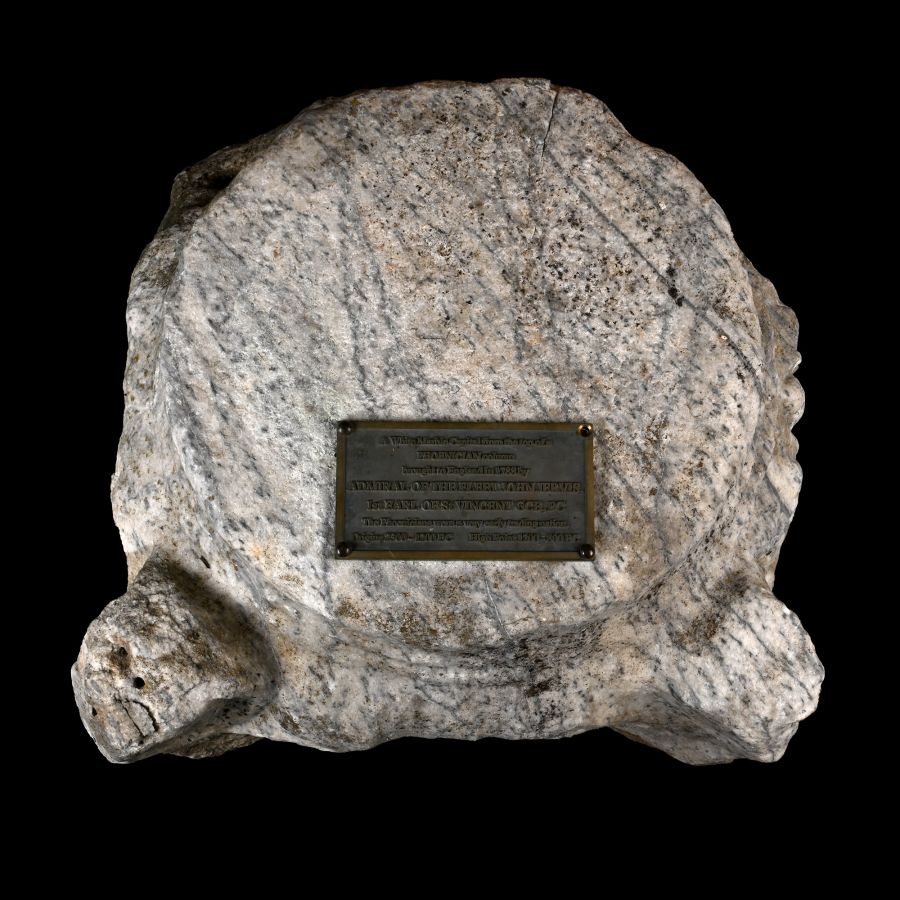
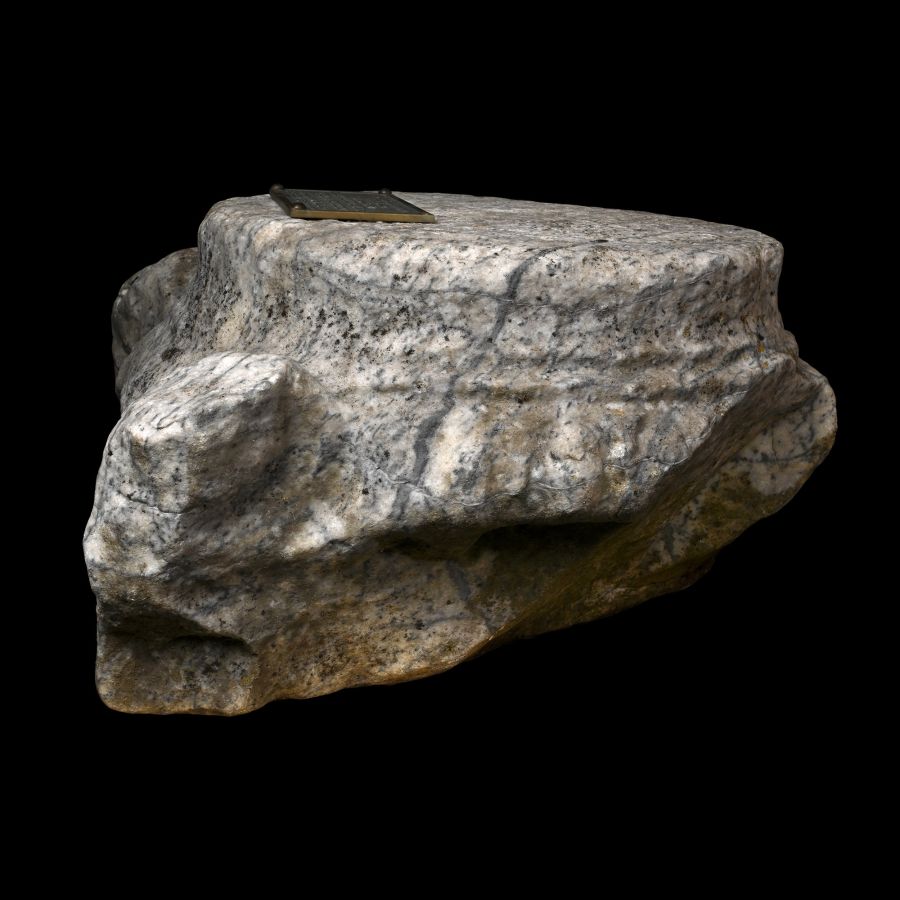
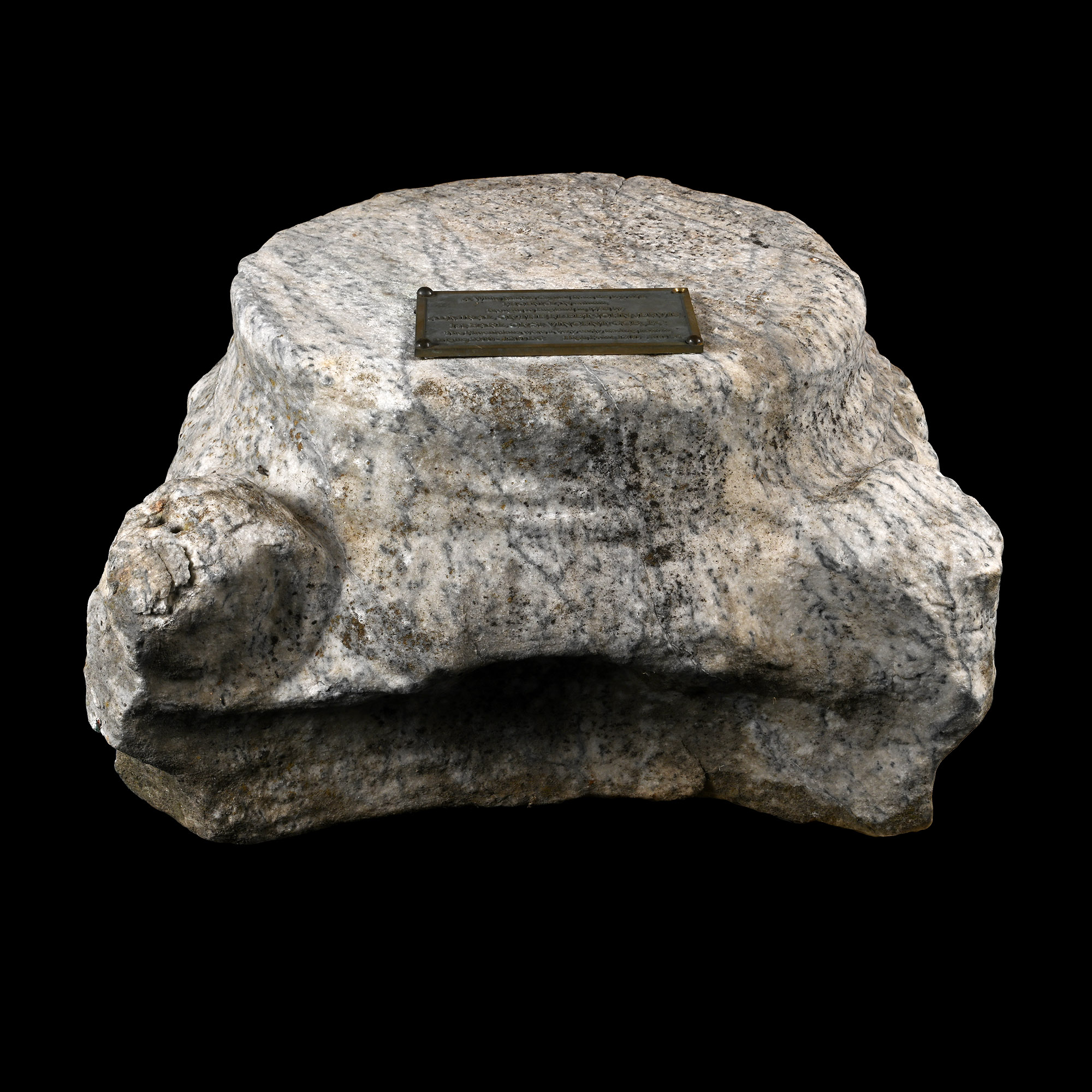
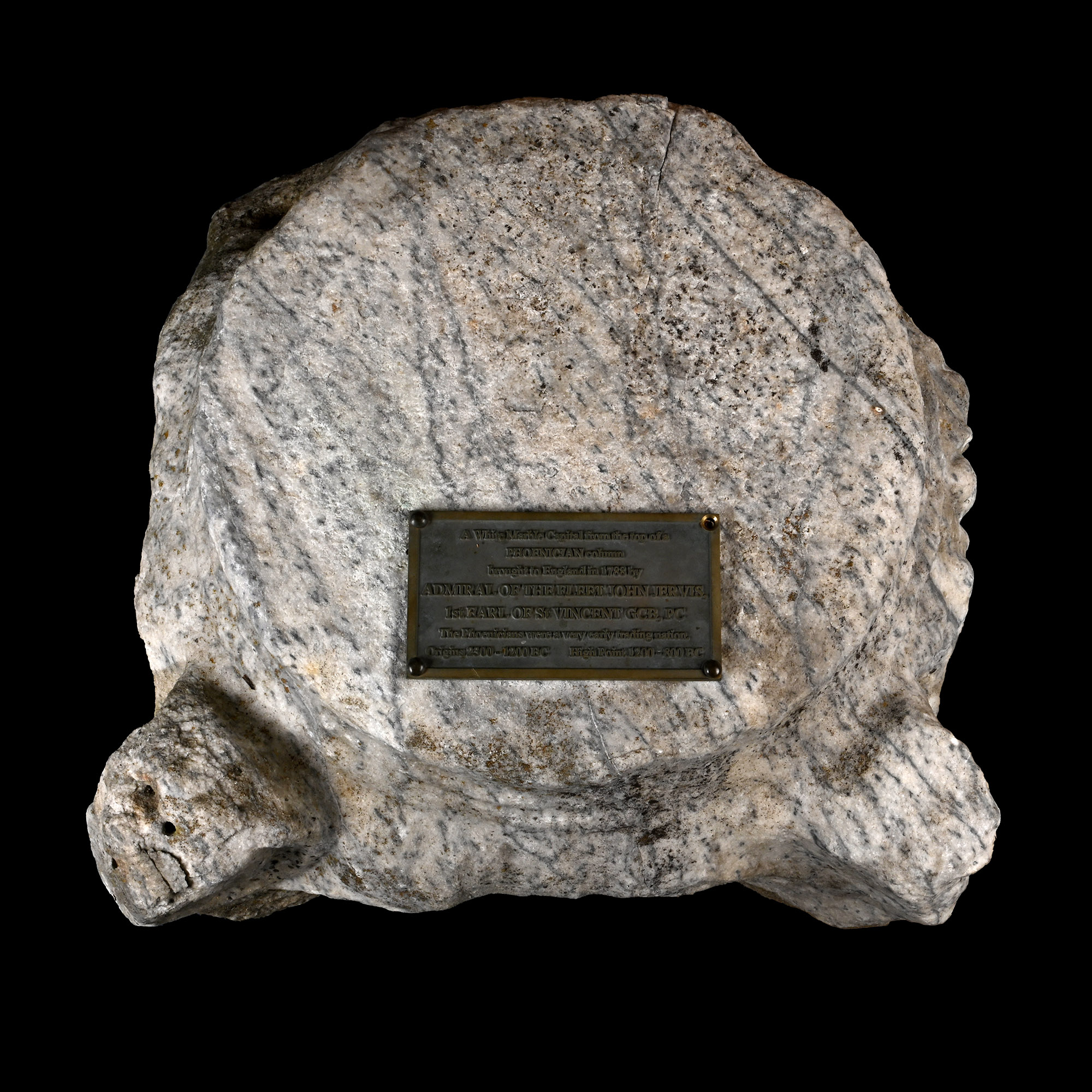
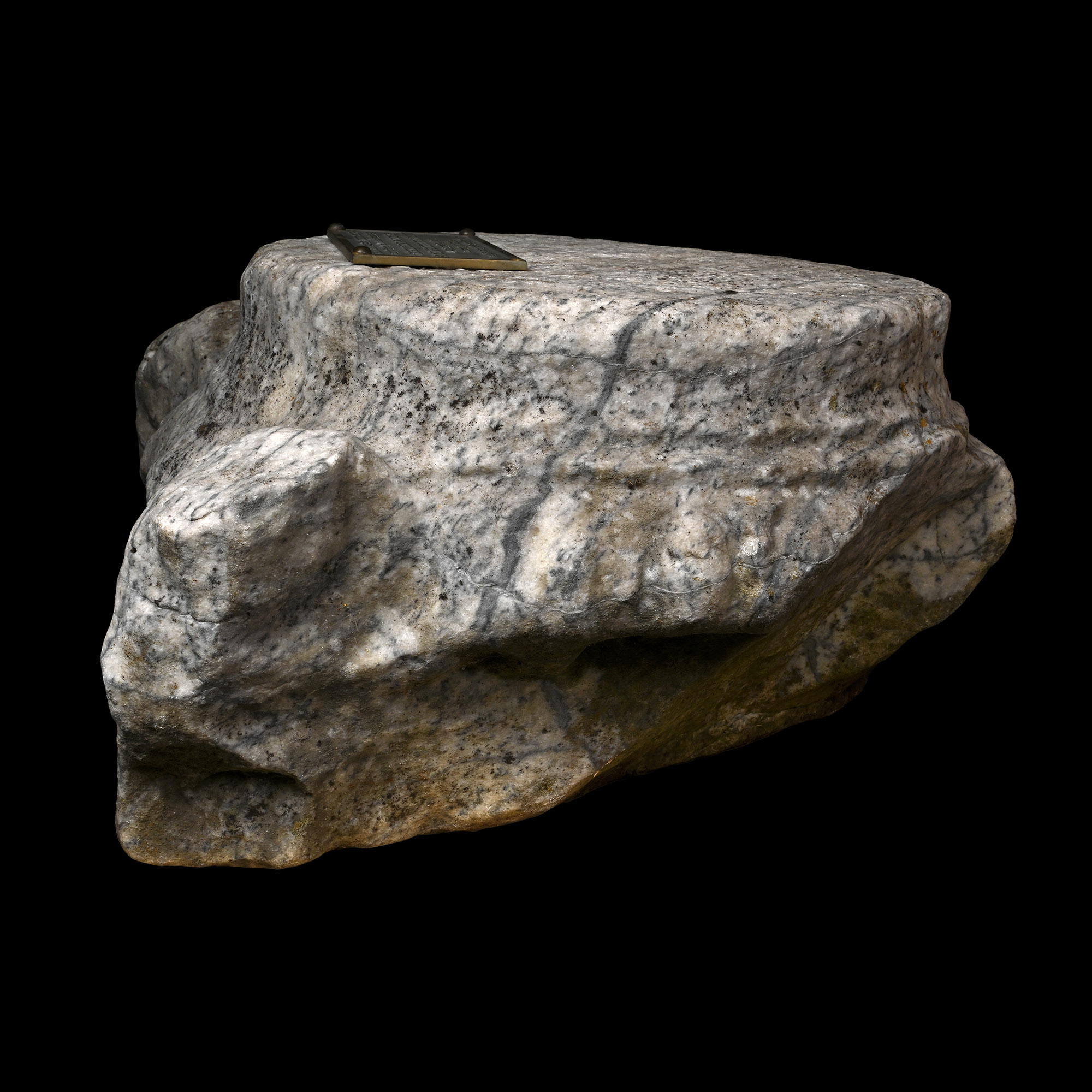
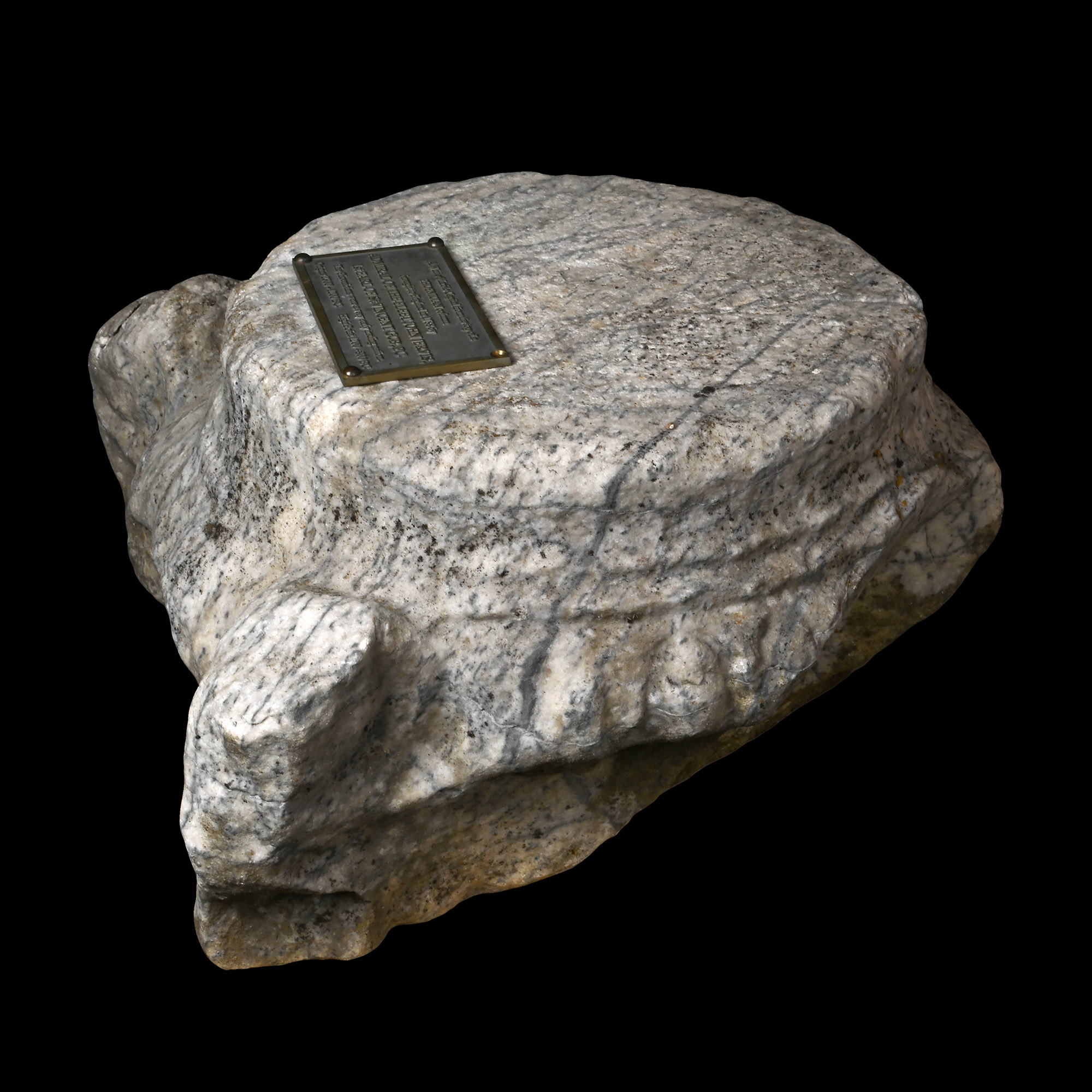
'The Earl of Vincent's' Marble Capital from the Provincia Phoenicia
CIRCA 2ND CENTURY A.D.
27 1/2 in. (approximately 400+ kg, 70 cm wide).
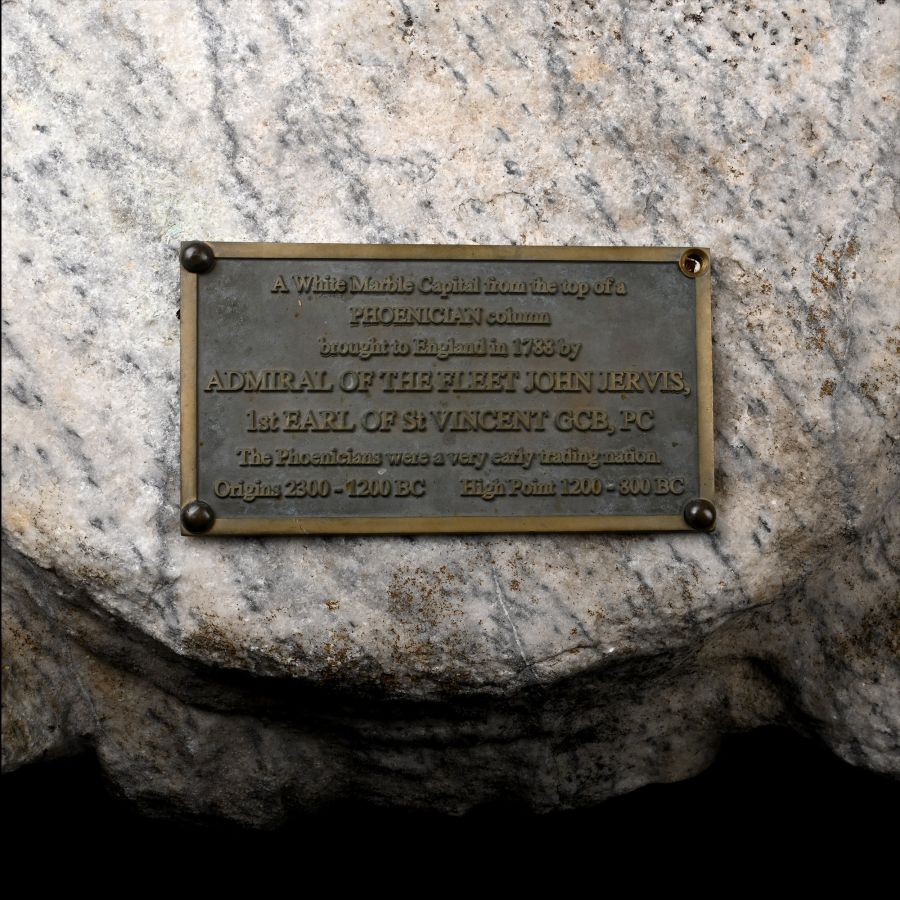
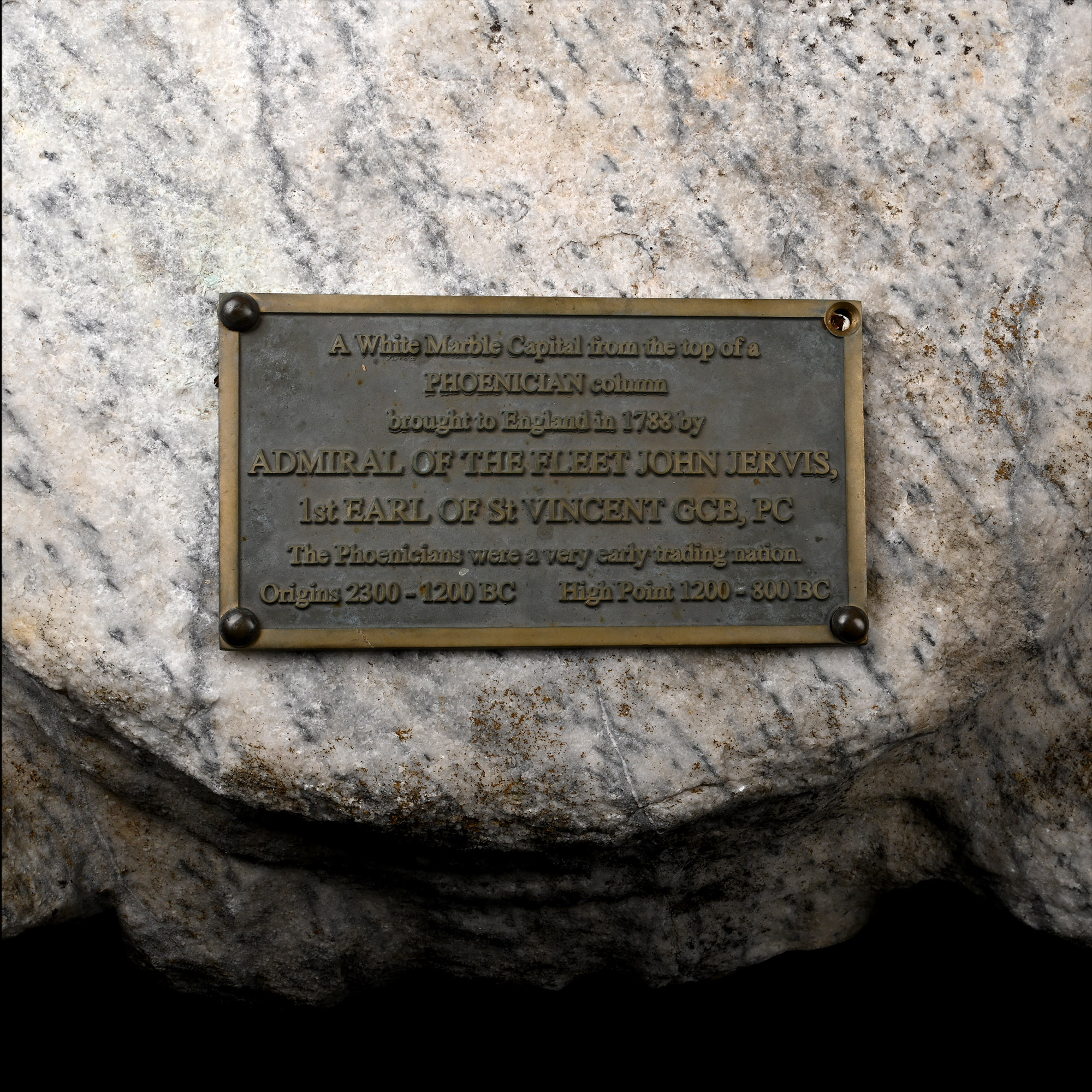
White marble capital of Ionic order, with slightly curved abacus, supporting the visible traces of the epistyle, and shallow volutes; in the lower part, between the volutes, the foliate base showing an egg-and-dart decoration on the cymation, supported by two further concentric ornamented strips (astragals), again decorated by shallow egg-shaped forms; three of the four volutes preserved, one of them with three holes for the fixing of the metal fastening staples; over the reversed part of the abacus, a bronze plate with an inscription: 'A white marble capital from the top of a Phoenician Column brought in England in 1733 by Admiral of the Fleet John Jervis 1st Earl of St.Vincent GCB, PC. The Phoenicians were a very early trading nation. Origins 2300-1200 BC. High point 1200-800 BC.' [No Reserve]
ProvenanceBrought to England in 1788 by Admiral of the Fleet John Jervis, 1st Earl of St Vincent, GCB, PC.
From the private collection of Admiral of the Fleet John Jervis, Rochetts, South Weald, Essex, UK.
Accompanied by an academic report by Dr Raffaele D'Amato.
This lot has been checked against the Interpol Database of stolen works of art and is accompanied by a search certificate number no.13411-259626.
Cf. similar capitals from Phoenicia and Levant in Mendel, G., Catalogue des sculptures grecques, romaines et byzantines, Constantinople, 1914, nos.1197-1198, vol.III, pp.438-439; Skeels, F. and Skeels L., A comprehensive guide, Highways and byways of Lebanon, Beirut, 2000, pp.205 (ionic capitals of the Roman temple of Hardine), 238 (ionic capitals of the Roman temple at Bziza).
FootnotesThe features of this capital are consistent with a particular type of Ionic style, which seems to have characterised the temples of Roman Phoenicia under Hadrian; the capital decoration is very similar to the capitals of the temple of Mercury, Hardine, and to the Roman temple at Bziza.
CONDITIONTimeLine Auctions follows a vetting process to ensure the authenticity and legality of all items, reinforcing our commitment to integrity and responsible trading. Each antiquity, antique, and coin lot undergoes thorough examination by a vetting committee of at least ten external specialists, professional trade association members, scientists, and archaeologists: Our Vetting Process
AUCTIONS:
TimeLine is a leading auction house specialising in antiquities, ancient art, collectables, natural history, coins, medals, and books. Our auctions offer museums, collectors, historians, and enthusiasts the opportunity to acquire unique and historically significant pieces.
LOT 0188
'The Earl of Vincent's' Marble Capital from the Provincia Phoenicia
Estimate £2,000 - 3,000€2,320 - 3,480 (for guidance only)$2,700 - 4,050 (for guidance only)
-
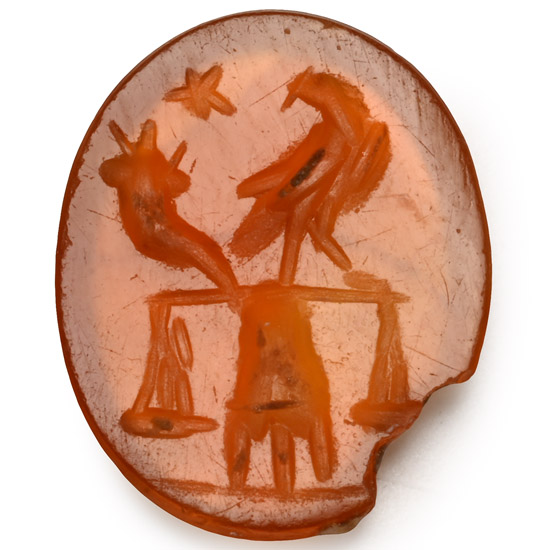
Roman Eagle on Scale and Mosius Beside Cornucopia and Star Carnelian Gemstone
2nd-3rd century A.D.Estimate: £100 - 140 (+bp*)
Opening Bid: £5
Ellipsoid in plan with incuse design of a weighing balance and scale pans, perched eagle to one side and a cornucopia to the other, star above; supplied with a museum-quality impression. 0.52 grams, 13 mm
From the private collection of a European gentleman (1942-2024), formed since the 1970s. -
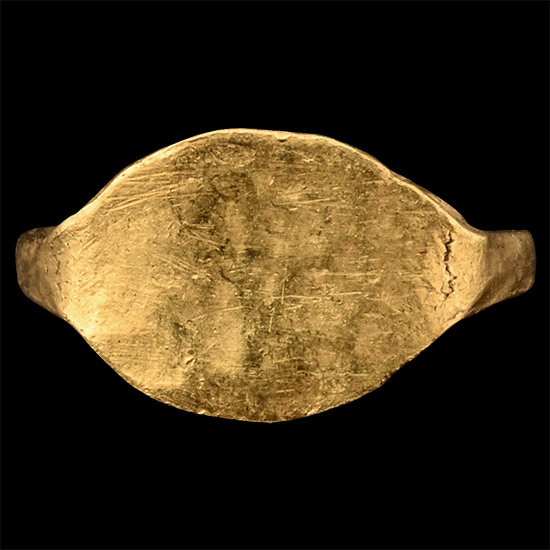
Roman Gold Child's Ring
1st-2nd century A.D.Estimate: £300 - 400 (‡+bp*)
Opening Bid: £160
Formed as a flat-section hoop with a tapering ovaloid bezel. 0.83 grams, 12.37 mm overall, 11.07 mm internal diameter
Ex Herbert A. Cahn, Basel, 1990s. -
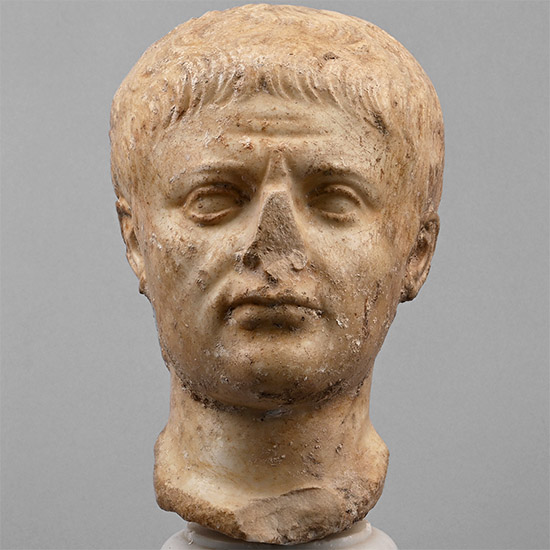
Roman Marble Head of the Emperor Tiberius
2nd century A.D.Estimate: £20,000 - 30,000 (‡+bp*)
Opening Bid: £10,000
Finely carved portrait head of a youthful, beardless male, characterised by short, softly modelled wavy locks, carefully defined eyes, and full lips; mounted on an antique white marble base. 11.5 kg, 34.5 cm
Private collection, South of France, formed between 1930 and 1960. with Galerie Saint-Honoré, Cannes, 1997. Bonnaz & Lecomte, Hôtel des Ventes Méditerranée, Marseille, 29 July 2018, lot 215. Artcurial, 29 April 2021, lot 89. Private collection, France, 2022. Accompanied by a printed copy of the Spanish cultural export licence no.1775-3178156. Accompanied by a copy of a French passport, no.228557. Accompanied by a copy of the Galerie Saint-Honore invoice, 9 July 1997. Accompanied by copies of the relevant Artcurial catalogue pages. Accompanied by an academic report by Dr Marina Mattei. This lot has been checked against the Interpol Database of stolen works of art and is accompanied by search certificate no.13458-260919.
The features display a restrained classicism and a composed expression typical of Roman Imperial portraiture inspired by earlier Julio-Claudian prototypes. The physiognomy and hairstyle closely relate to established portraits of Tiberius, suggesting a possible identification, although the work may represent an idealised or later reinterpretation of the imperial type.
