
Loading, please wait...
_900x900.jpg "'The Ceres Collection' Italic Agate Gemstone of a Boar in Silver Ring")
_200x200.jpg "'The Ceres Collection' Italic Agate Gemstone of a Boar in Silver Ring")
.jpg "'The Ceres Collection' Italic Agate Gemstone of a Boar in Silver Ring")
LOT 0183
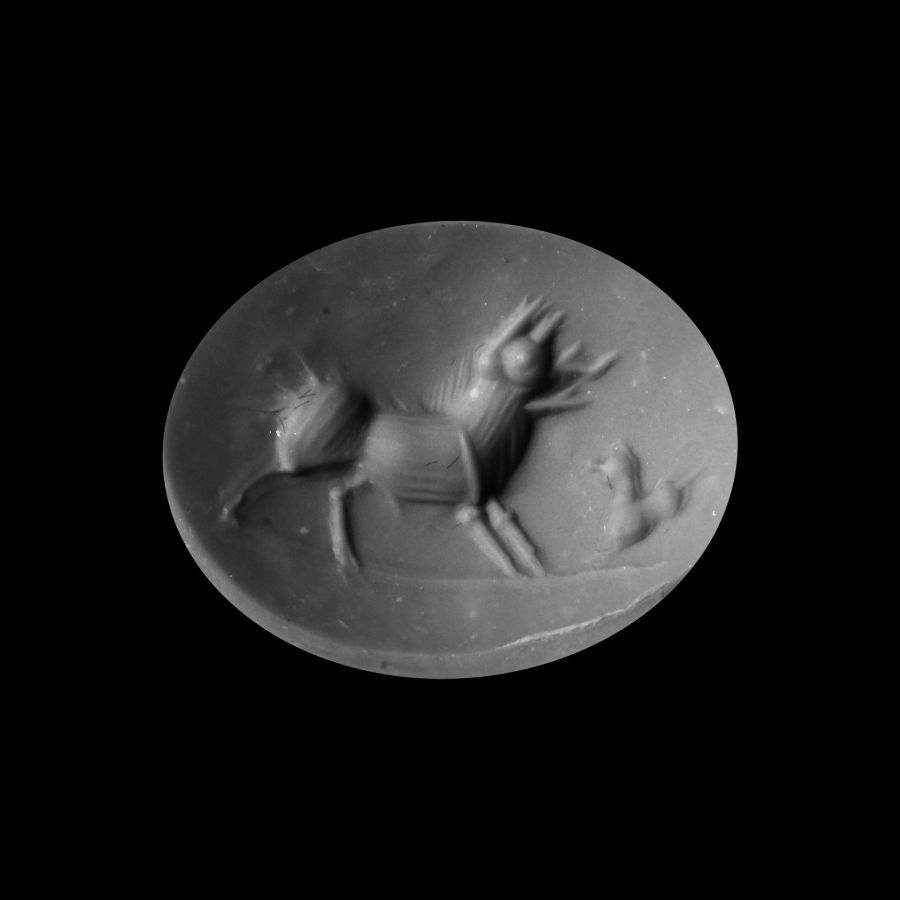
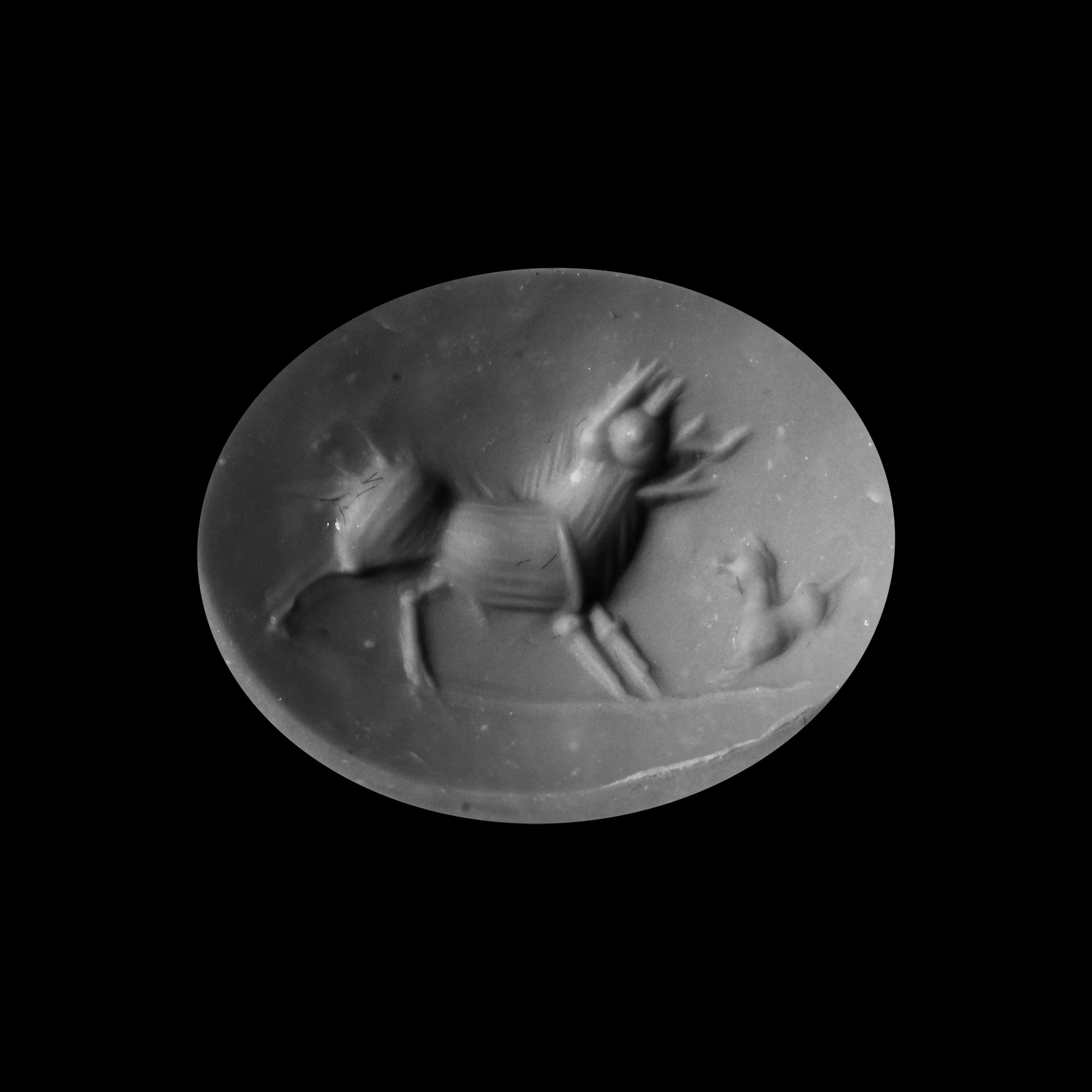
'The Ceres Collection' Italic Agate Gemstone of a Boar in Silver Ring
2ND-1ST CENTURY B.C.
1 in. (12.35 grams, 25.62 mm overall, 18.51 mm internal diameter (approximate size British N 1/2, USA 6 3/4, Europe 14.35, Japan 13)).
Oval in plan and plano-convex in section, depicting a boar at bay from a hound; set in a later heavy silver mount with French maker's mark and French assay mark; supplied with a museum-quality impression.
ProvenanceAmerican family collection, New York, formed 1930s-1990s.
with Bonhams, London, 17 September 2014, no.96.
Private collection, England.
TimeLine Auctions follows a vetting process to ensure the authenticity and legality of all items, reinforcing our commitment to integrity and responsible trading. Each antiquity, antique, and coin lot undergoes thorough examination by a vetting committee of at least ten external specialists, professional trade association members, scientists, and archaeologists: Our Vetting Process
AUCTIONS:
TimeLine is a leading auction house specialising in antiquities, ancient art, collectables, natural history, coins, medals, and books. Our auctions offer museums, collectors, historians, and enthusiasts the opportunity to acquire unique and historically significant pieces.
LOT 0183
'The Ceres Collection' Italic Agate Gemstone of a Boar in Silver Ring
Sold for (Inc. bp): £572
-
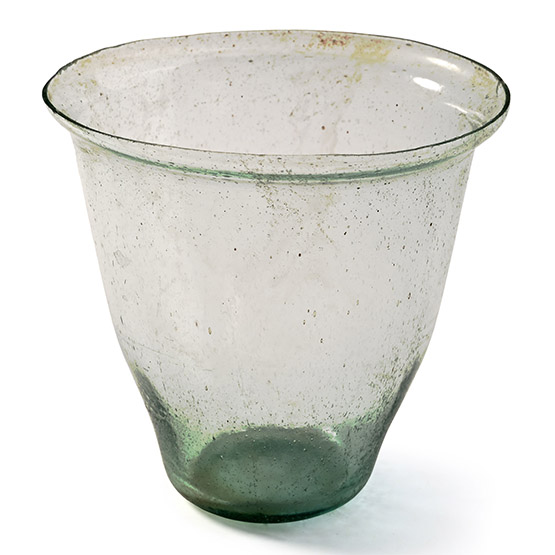
Roman Light Green Glass Lamp
Circa 4th century A.D.Estimate: £250 - 350 (+bp*)
Opening Bid: £139
Tapering body with pontil base, slightly everted rim; traces of iridescence. 41 grams, 80 mm
From an important collection of glass, London, UK, 1990s. -
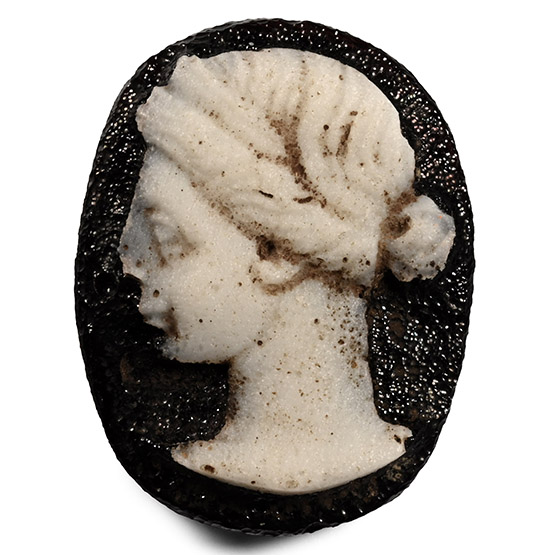
Roman Glass Cameo with Female Bust
1st century A.D.Estimate: £400 - 600 (‡+bp*)
Opening Bid: £200
Ellipsoid black glass plaque with profile female bust, hair dressed in a chignon. 1.82 grams, 18.58 mm
Acquired in the mid 1980s-1990s. Private collection, Switzerland, thence by descent. Private collection, since the late 1990s. Accompanied by a copy of an Art Loss Register certificate, no.S00011371. -
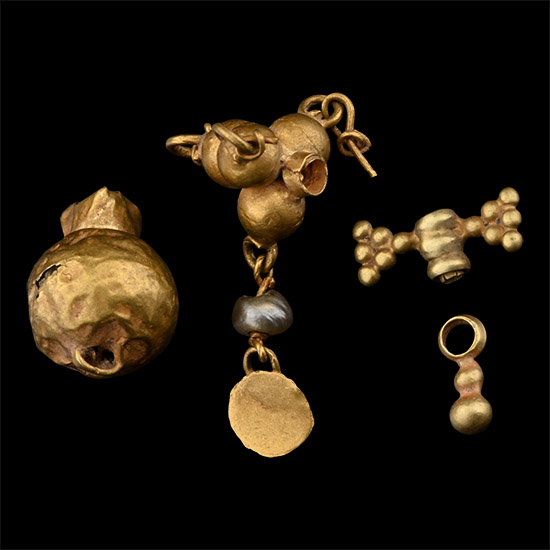
Roman Gold Artefact Collection
Circa 1st-4th century A.D.Sold for (Inc. bp): £182
Including a pendant bulb, granulated spacer bead and other items. 2.3 grams total, 7-21 mm
From an old English collection, 1980s.
