
Loading, please wait...
LOT 1777
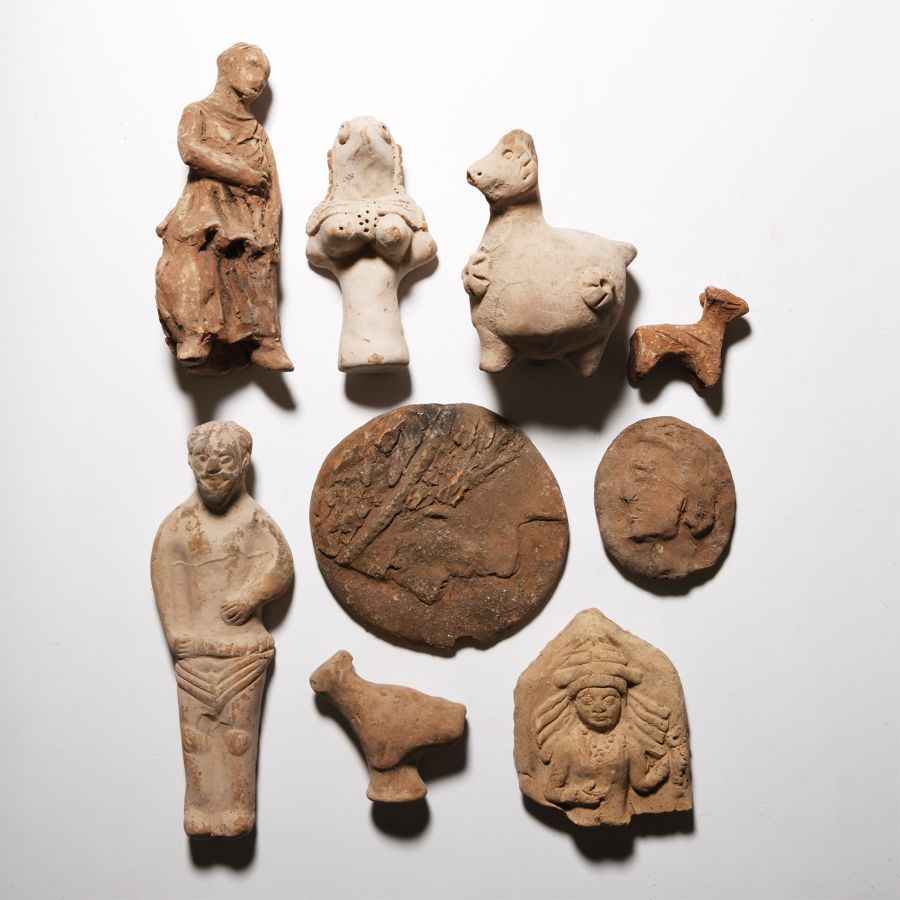
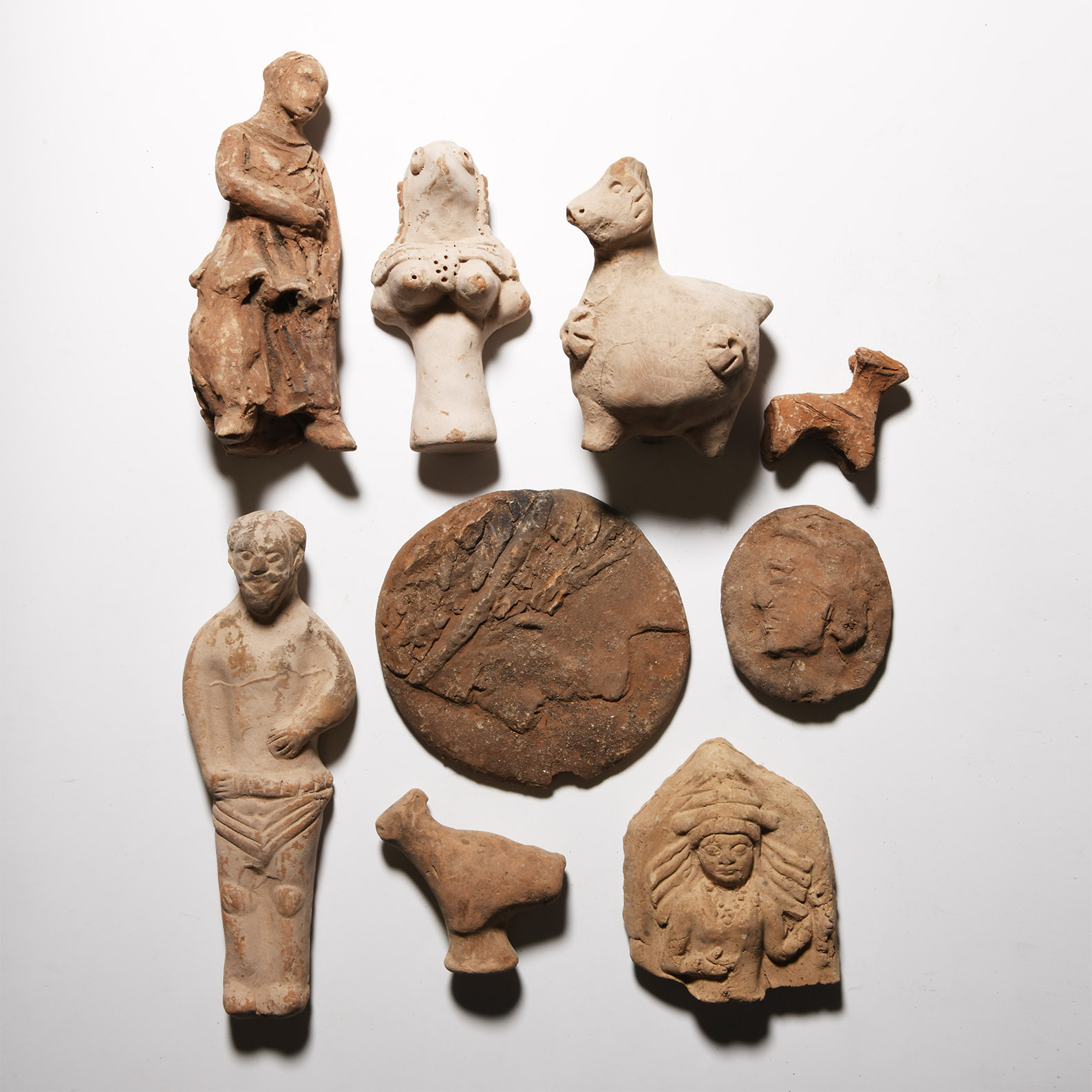
Terracotta Replica Group
20TH CENTURY A.D.
1 3/4 - 6 7/8 in. (1.05 kg total, 4.6-17.5 cm).
Replicating ancient artefacts from various time periods and cultures, including: Indus Valley fertility figure; Greek figures and animal votives; together with other items. [9, No Reserve]
ProvenanceAcquired on the UK art market.
Property of a Ruislip, UK, gentleman, by inheritance.
TimeLine Auctions follows a vetting process to ensure the authenticity and legality of all items, reinforcing our commitment to integrity and responsible trading. Each antiquity, antique, and coin lot undergoes thorough examination by a vetting committee of at least ten external specialists, professional trade association members, scientists, and archaeologists: Our Vetting Process
AUCTIONS:
TimeLine is a leading auction house specialising in antiquities, ancient art, collectables, natural history, coins, medals, and books. Our auctions offer museums, collectors, historians, and enthusiasts the opportunity to acquire unique and historically significant pieces.
-
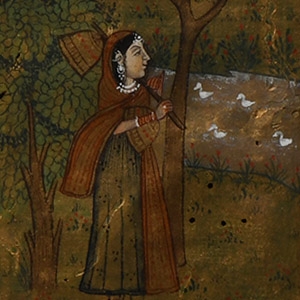
Framed Watercolour Painting
India, early 20th century A.D.Estimate: £60 - 80 (+bp*)
Opening Bid: £30
A rectangular manuscript page with panel depicting a female figure standing in a landscape with trees, water and birds, holding an instrument over her shoulder; set in a reveal within a glazed wooden frame. 559 grams, 27.5 x 20 cm
Fine condition, some worm holes.
Acquired on the UK art market, 1980s-1990s. The Woodbridge collection of Indo-Persian art. -
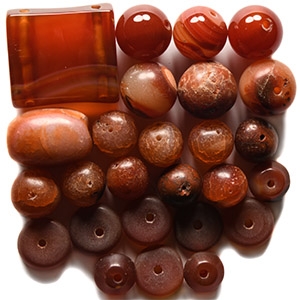
Carnelian Necklace Bead Group
20th century A.D.Sold for (Inc. bp): £26
Comprising a small group of red carnelian beads of various form and size; each pierced for stringing 113 grams total, 10-31 mm
UK gallery, early 2000s. -
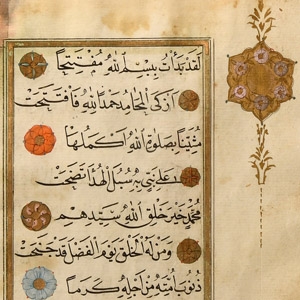
Framed Ottoman Qur'an Page
Circa 1800 A.D.Estimate: £80 - 100 (+bp*)
Opening Bid: £40
Adorned with stylised flower heads in polychrome and gold leaf, framed by a gold leaf border; mounted in a reveal and a glazed wooden frame. 412 grams, 24.5 x 20.4 cm
Fine condition.
Acquired on the UK art market, 1980s-1990s. The Woodbridge collection of Indo-Persian art.
