
Loading, please wait...
LOT 2396
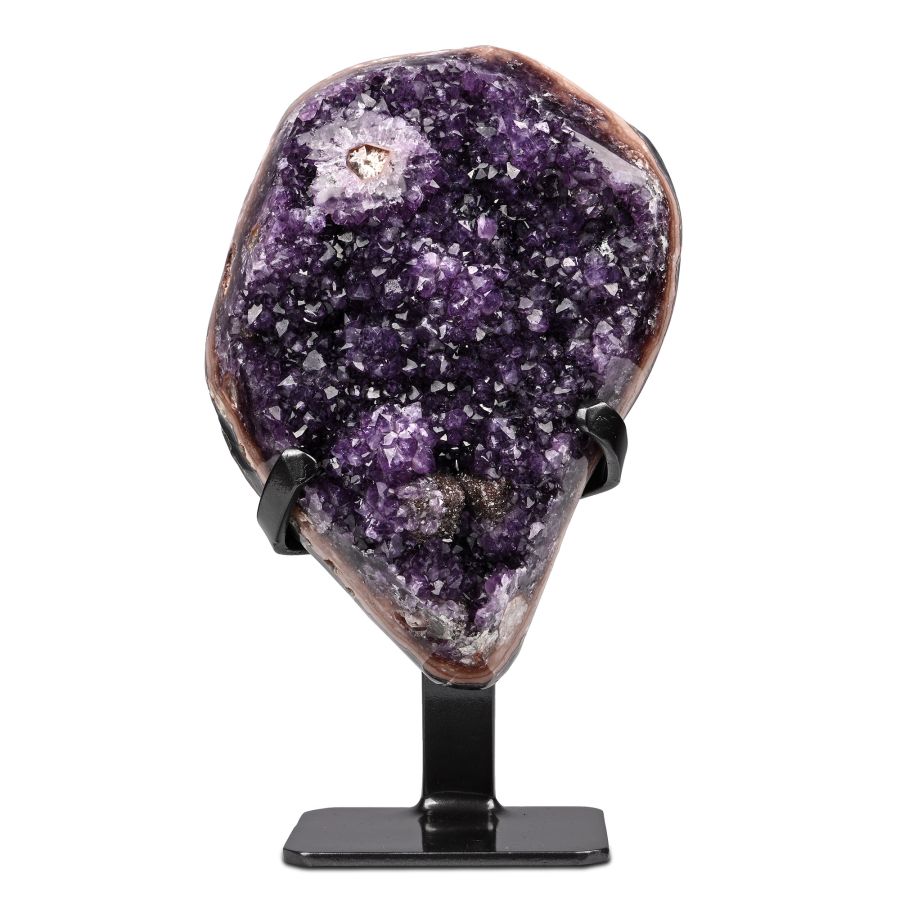
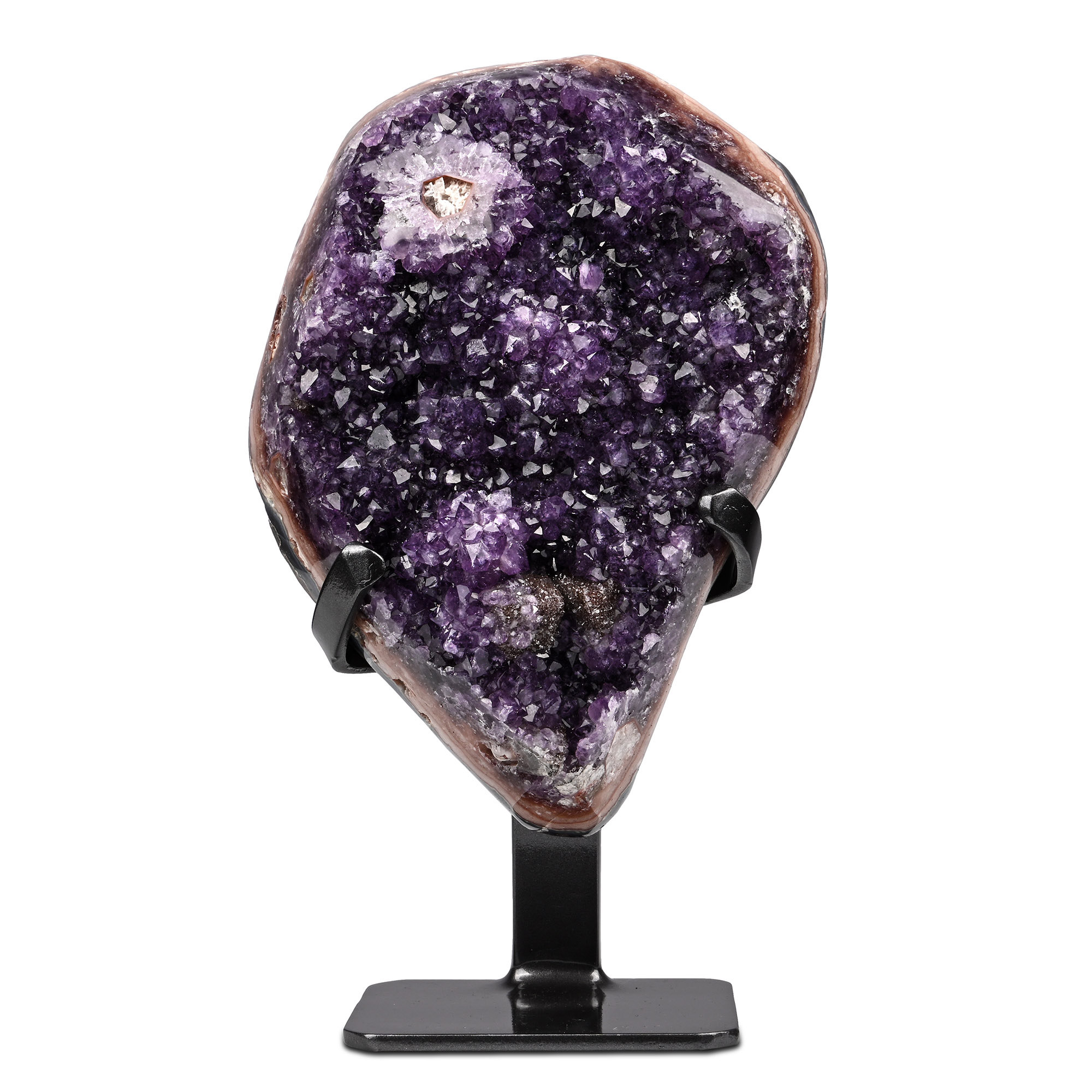
Teardrop-Shaped Amethyst Crystal Geode Display
CIRCA 140-120 MILLION YEARS B.P.
7 7/8 x 6 1/4 x 4, 11 3/8 in. (4.14 kg, 20 x 16 x 10 cm, 29 cm including stand).
The inner surface lined with vibrant dark purple amethyst crystals and an area of brown-orange druzy quartz, the polished edges of the geode displaying vibrant banding; mounted on a custom-made display stand.
ProvenanceFrom Artigas, Uruguay.
Property of a London lady.
TimeLine Auctions follows a vetting process to ensure the authenticity and legality of all items, reinforcing our commitment to integrity and responsible trading. Each antiquity, antique, and coin lot undergoes thorough examination by a vetting committee of at least ten external specialists, professional trade association members, scientists, and archaeologists: Our Vetting Process
AUCTIONS:
TimeLine is a leading auction house specialising in antiquities, ancient art, collectables, natural history, coins, medals, and books. Our auctions offer museums, collectors, historians, and enthusiasts the opportunity to acquire unique and historically significant pieces.
LOT 2396
Teardrop-Shaped Amethyst Crystal Geode Display
Estimate £1,000 - 1,400€1,160 - 1,620 (for guidance only)$1,350 - 1,890 (for guidance only)
-
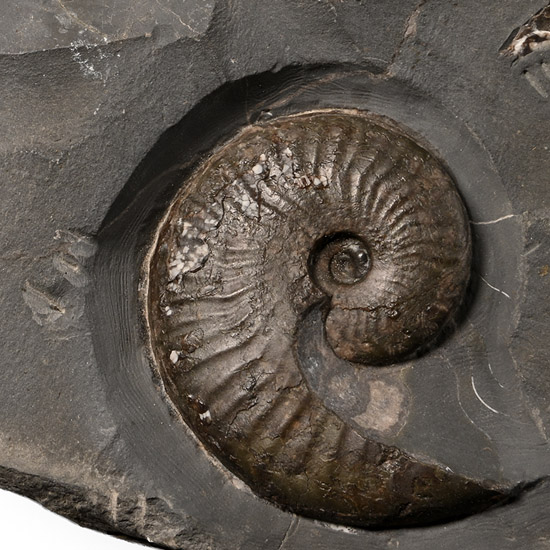
Fossil Ammonite on Matrix
Jurassic Period, Toarcian Stage, circa 180 million years B.P.Sold for (Inc. bp): £39
Large nodule with a fossilised Eleganticeras ammonite specimen. 1.22 kg, 13 cm
From a Lincolnshire, UK, collection. -
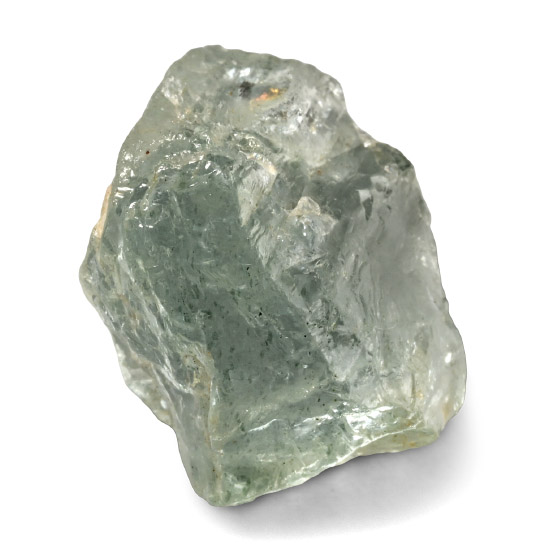
29 Carat Rough Natural Uncut Aquamarine Crystal
Sold for (Inc. bp): £104
Pale blue specimen exhibiting vitreous lustre. 5.82 grams, 22 mm
Ex Mineral Imports, London, UK. Gregory, Bottley & Lloyd (Gregory's), Harwich, UK. -
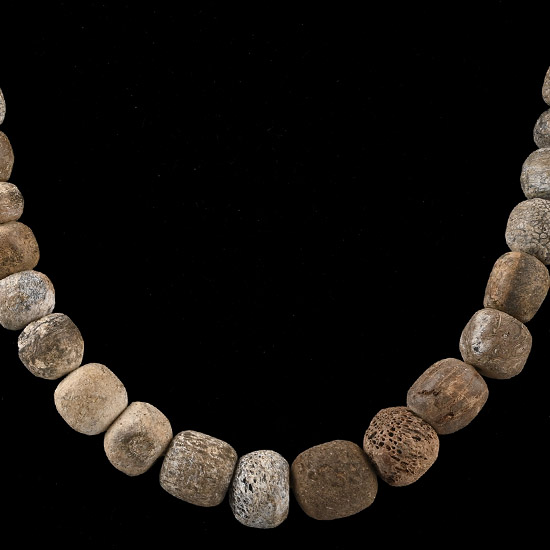
Woolly Mammoth Bone Bead Necklace String
Pleistocene Epoch, 2.6 million-11,700 years B.P.Sold for (Inc. bp): £46
Restrung, using recently polished Mammuthus primigenius spherical bone beads. 150 grams, 59 cm
Ex Ancient Art Shop, Windsor, UK, 1990s. Ex private West County, UK, collection.
The mammoth lineage branched from the Asian elephant around 6 million years ago, and later on, the Woolly Mammoth, Mammuthus primigenius, evolved in eastern Siberia. Woolly mammoths, being slightly smaller than living African elephants, were foragers and ate grass, as well as small, nutritious flowering plants that flourished in the environment where they lived. They may also have used their curved tusks to dig through snow and eat plants that other foragers were unable to reach.
