
Loading, please wait...
LOT 1337
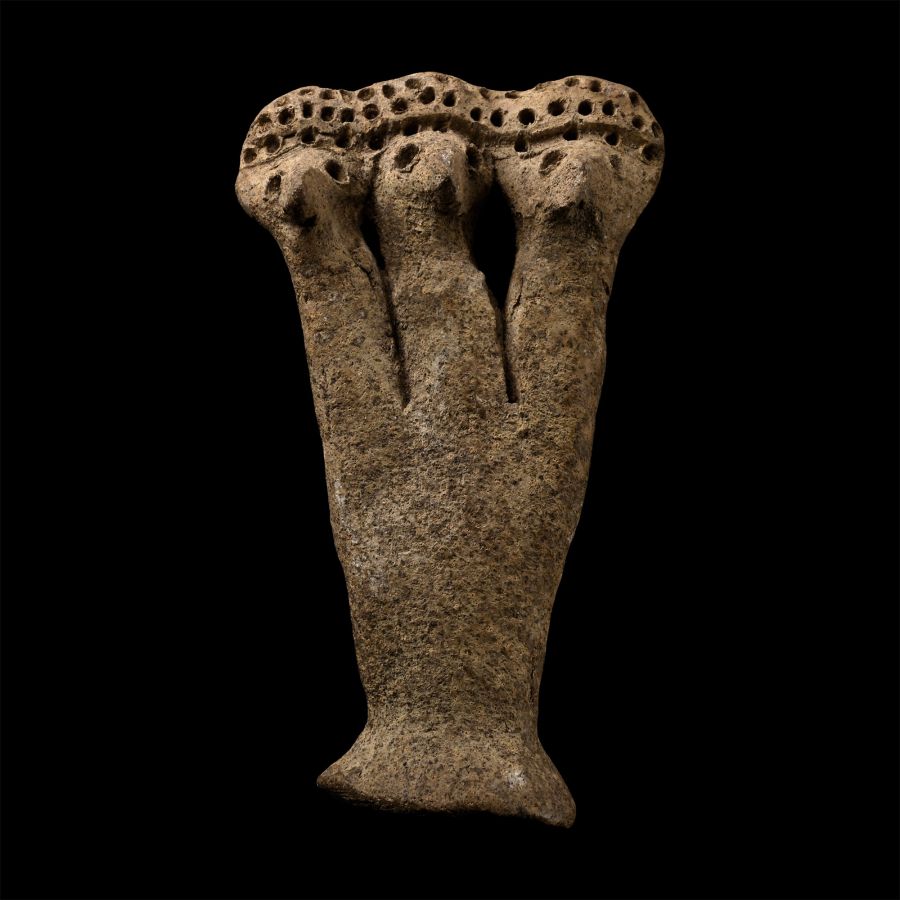
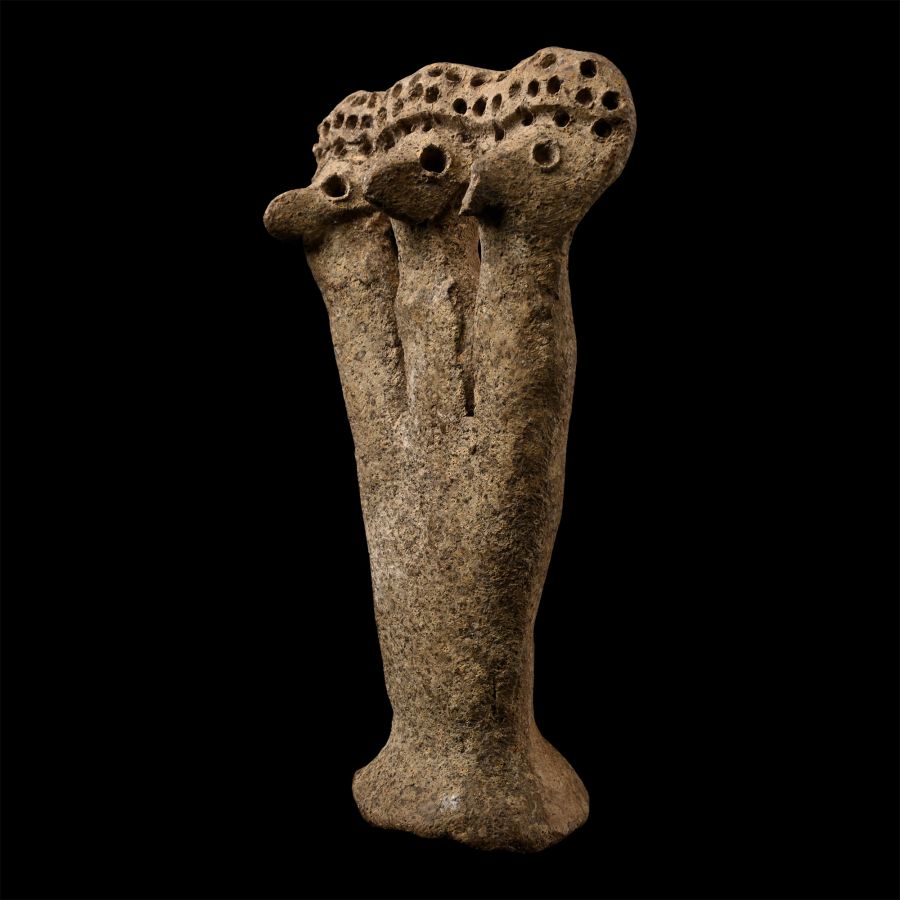
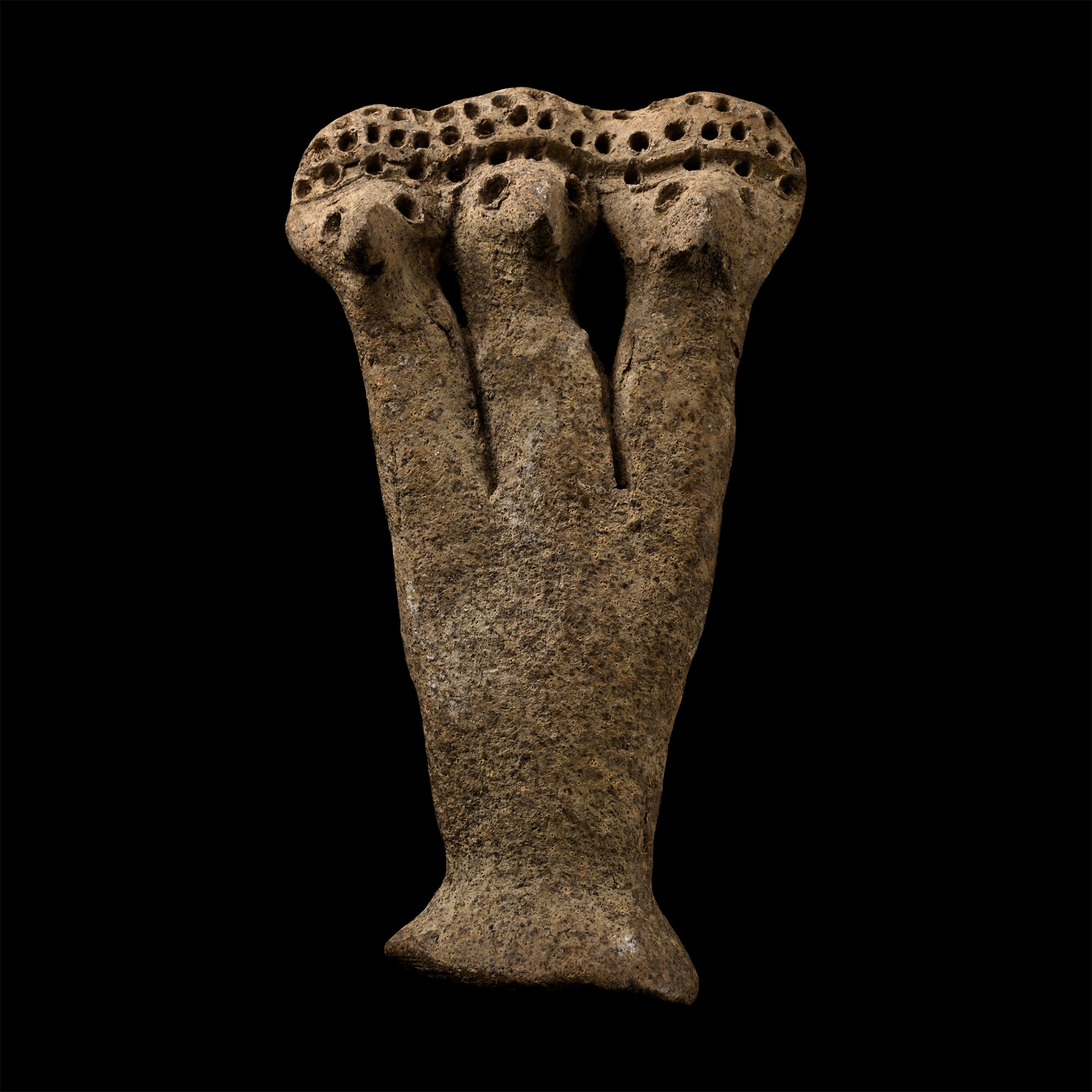
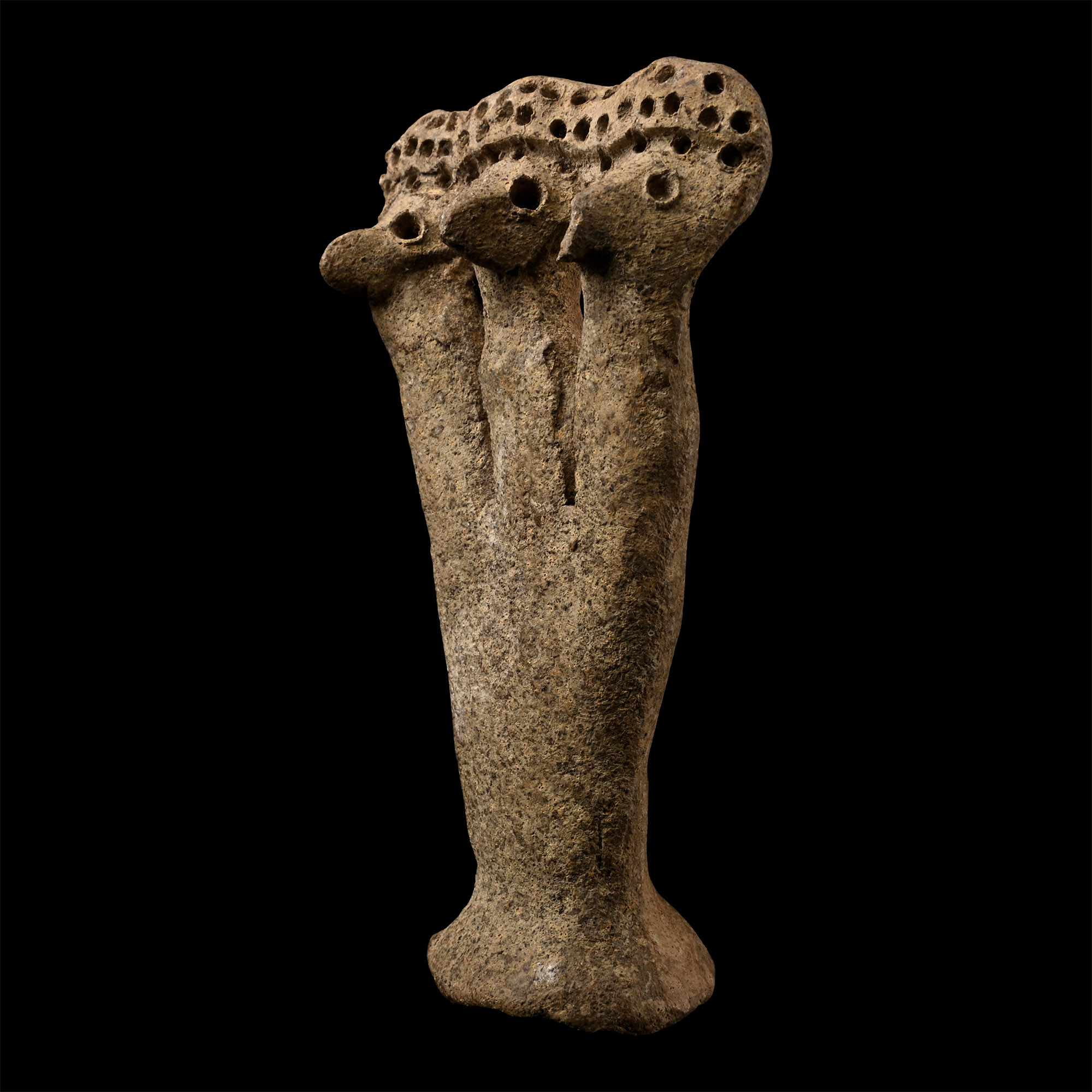
Syro-Hittite Terracotta Fertility Figure Group
EARLY 1ST MILLENNIUM B.C.
3 1/4 in. (37.2 grams, 84 mm).
Modelled in the half-round on a low conical base, three stylised beaked heads with pointillé headdresses.
ProvenanceEx private collection, London, UK, 1969-1999.
CONDITIONTimeLine Auctions follows a vetting process to ensure the authenticity and legality of all items, reinforcing our commitment to integrity and responsible trading. Each antiquity, antique, and coin lot undergoes thorough examination by a vetting committee of at least ten external specialists, professional trade association members, scientists, and archaeologists: Our Vetting Process
AUCTIONS:
TimeLine is a leading auction house specialising in antiquities, ancient art, collectables, natural history, coins, medals, and books. Our auctions offer museums, collectors, historians, and enthusiasts the opportunity to acquire unique and historically significant pieces.
-
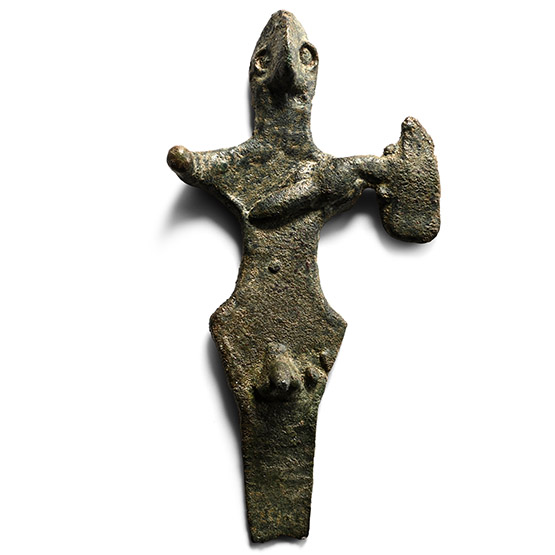
Syro-Hittite Bronze Male Idol
2nd millennium B.C.Sold for (Inc. bp): £182
Flat-section casting with pinched nose and impressed-point etes, right arm extended, left hand supporting an axe, prominent phallus. 23 grams, 72 mm
Previously the property of an Islington, London, UK, dealer. From a London, UK, private collector since circa 1990. -
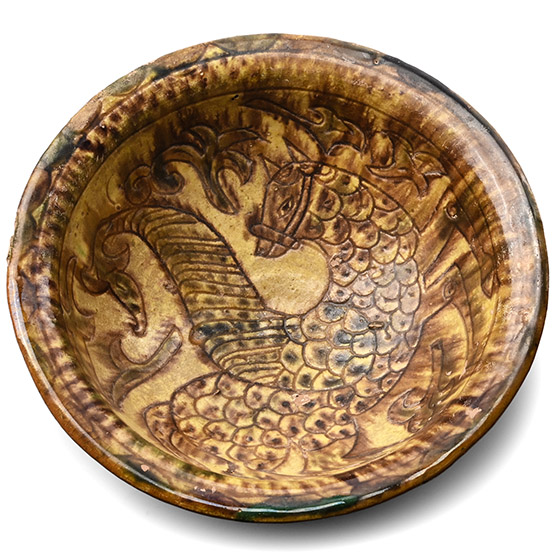
Large Western Asiatic Style Ceramic Bowl with Mythical Beast
Late 20th-21st century A.D.Sold for (Inc. bp): £46
Bell-shaped in profile with polychrome rim. incised advancing winged feline among fronds. 577 grams, 21.7 cm wide
Private collection, UK. -
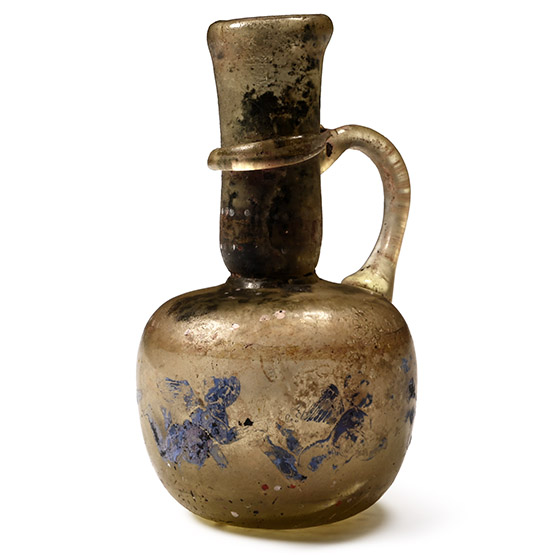
Western Asiatic Single-Handled Flask
12th-14th century A.D.Estimate: £180 - 240 (+bp*)
Opening Bid: £100
With wheel-cut frieze of animals to the body, traces of pigment remaining. 33.59 grams, 72 mm
Ex Parisian gallery, France, 1980s.
