
Loading, please wait...
LOT 0868
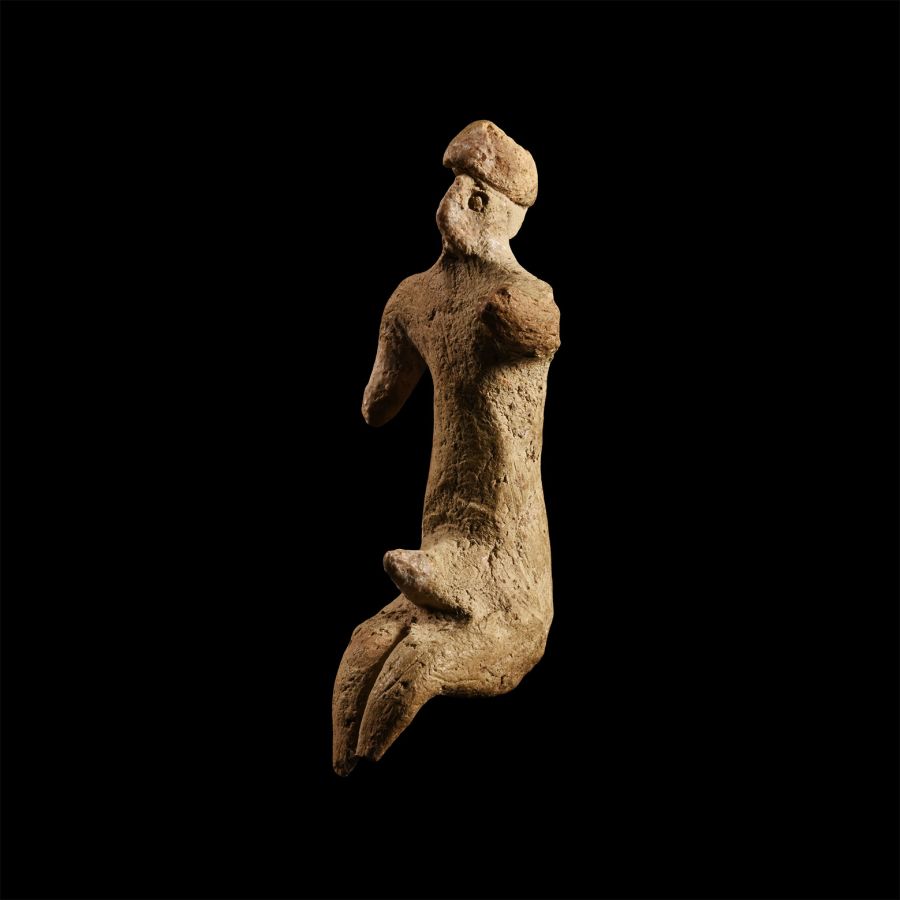
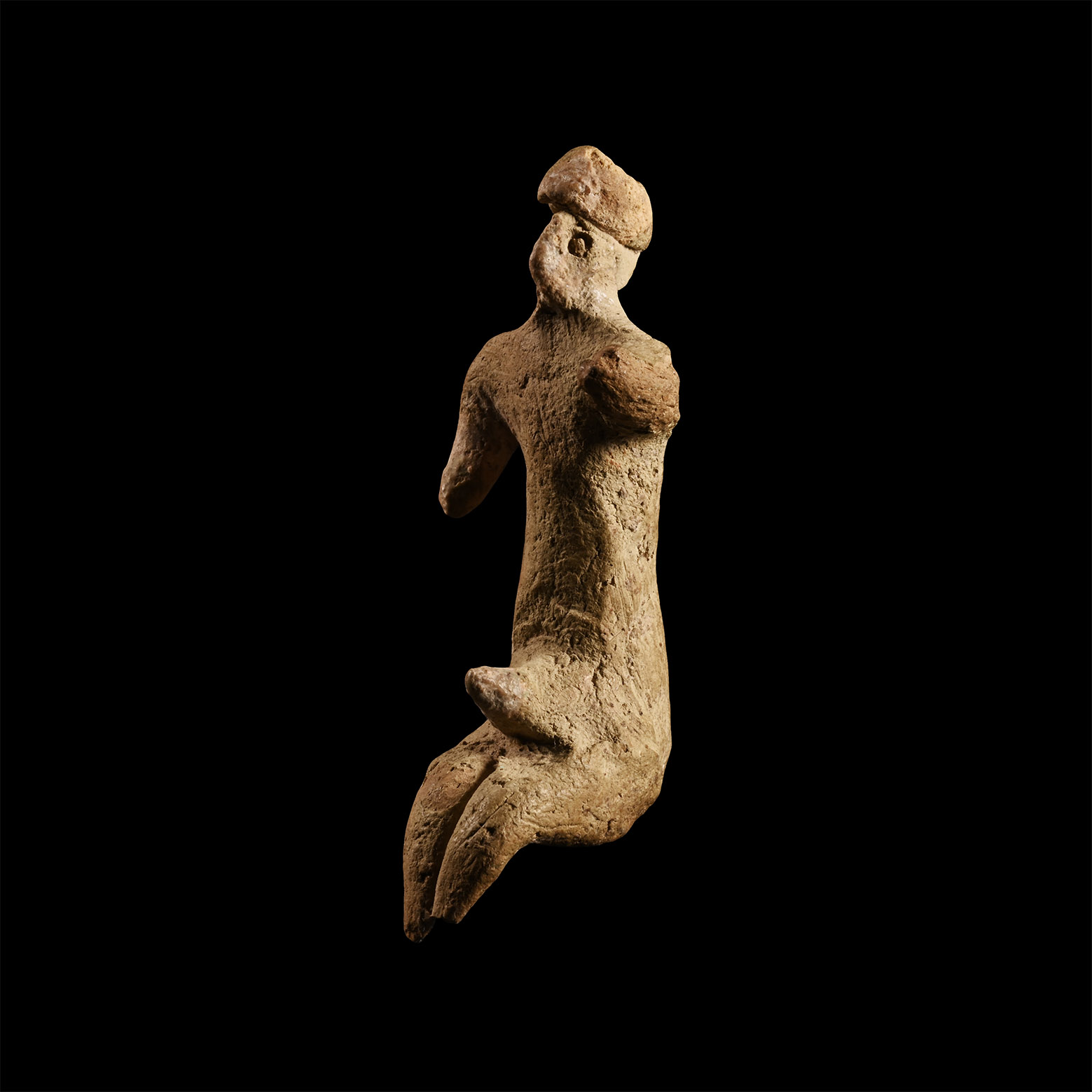
Syro-Hittite Male Seated Fertility Figure
1ST MILLENNIUM B.C.
2 1/4 in. (9.54 grams, 58 mm).
A stylised clay fertility figure modelled seated with a pinched head and face with circular eye detailing, stub arms and erect penis, wearing a head covering. [No Reserve]
ProvenanceAcquired 1990s.
English private collection.
Property of an Essex gentleman.
TimeLine Auctions follows a vetting process to ensure the authenticity and legality of all items, reinforcing our commitment to integrity and responsible trading. Each antiquity, antique, and coin lot undergoes thorough examination by a vetting committee of at least ten external specialists, professional trade association members, scientists, and archaeologists: Our Vetting Process
AUCTIONS:
TimeLine is a leading auction house specialising in antiquities, ancient art, collectables, natural history, coins, medals, and books. Our auctions offer museums, collectors, historians, and enthusiasts the opportunity to acquire unique and historically significant pieces.
-
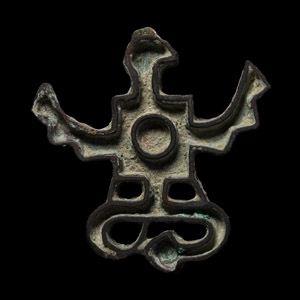
Central Asian Eagle and Snake Compartmented Seal Pendant
23rd-20th century B.C.Sold for (Inc. bp): £195
A copper-alloy compartmented stamp seal formed as a geometric style eagle with spread wings, a coiled snake gripped in its talons; suspension loop to reverse. 17.6 grams, 47 mm
1980s-early 1990s collection, UK. -
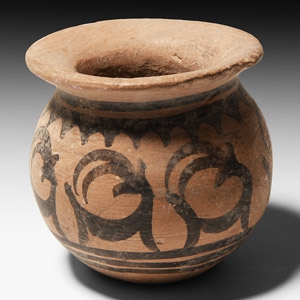
Western Asiatic Terracotta Pot with Ibexes
1st millennium B.C.Sold for (Inc. bp): £117
A terracotta jar with everted rim, painted with a frieze of ibexes between plain bands and arcading. 134 grams, 59 mm high
Acquired before 2000. Property of a London, UK, gentleman. Property of an Essex, UK, gentleman. -
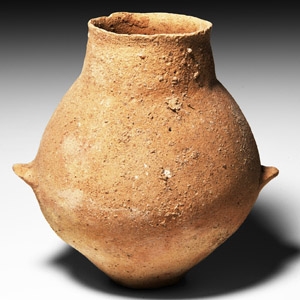
Western Asiatic Trans Jordan Redware Burnished Jar
Circa 3000 B.C.Sold for (Inc. bp): £46
An early Bronze Age terracotta jar with flat base and rounded upper body, two ledge handles to the equator, broad neck with band of impressed dots beneath the rim. 378 grams, 14 cm high
Acquired 1970s. From an important deceased family collection by descent.
