
Loading, please wait...


LOT 1187
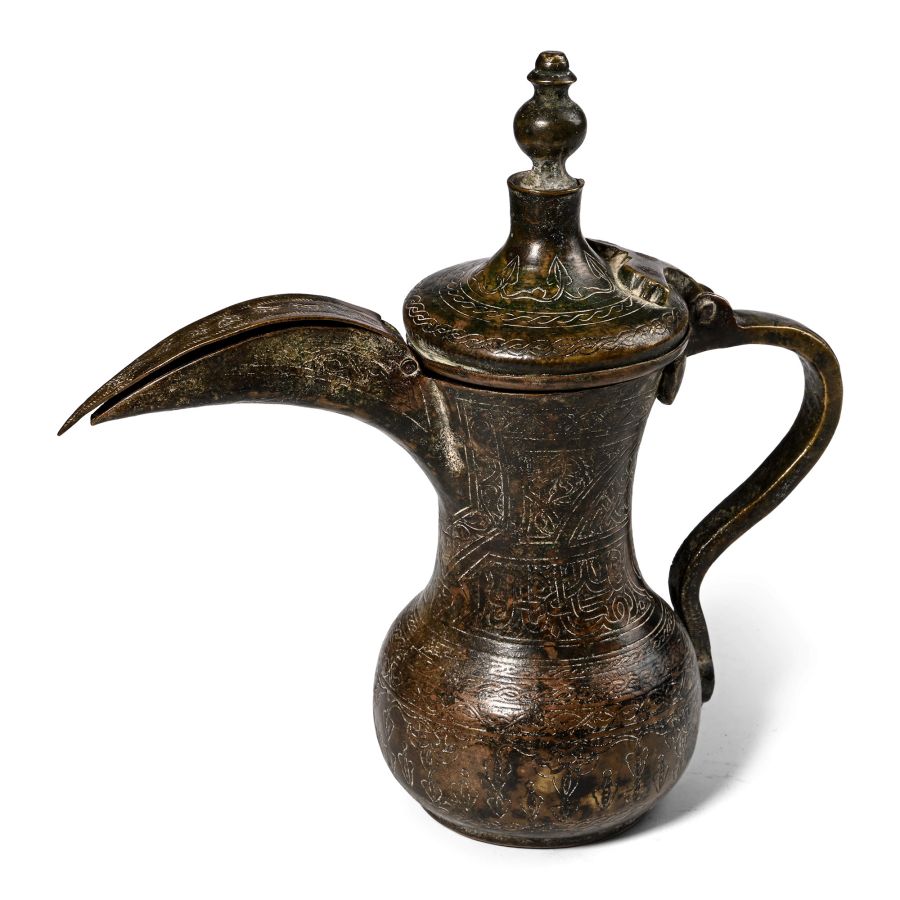
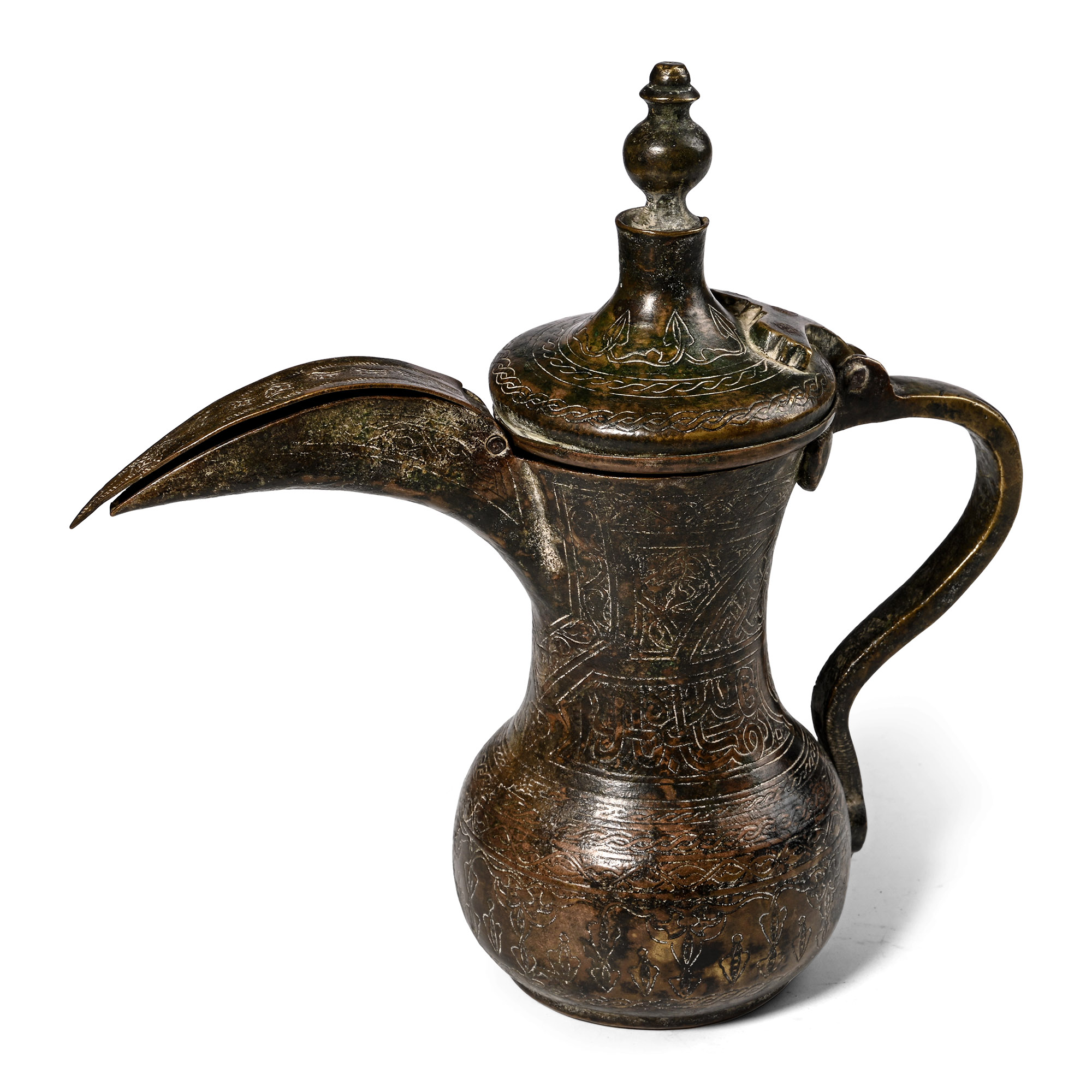
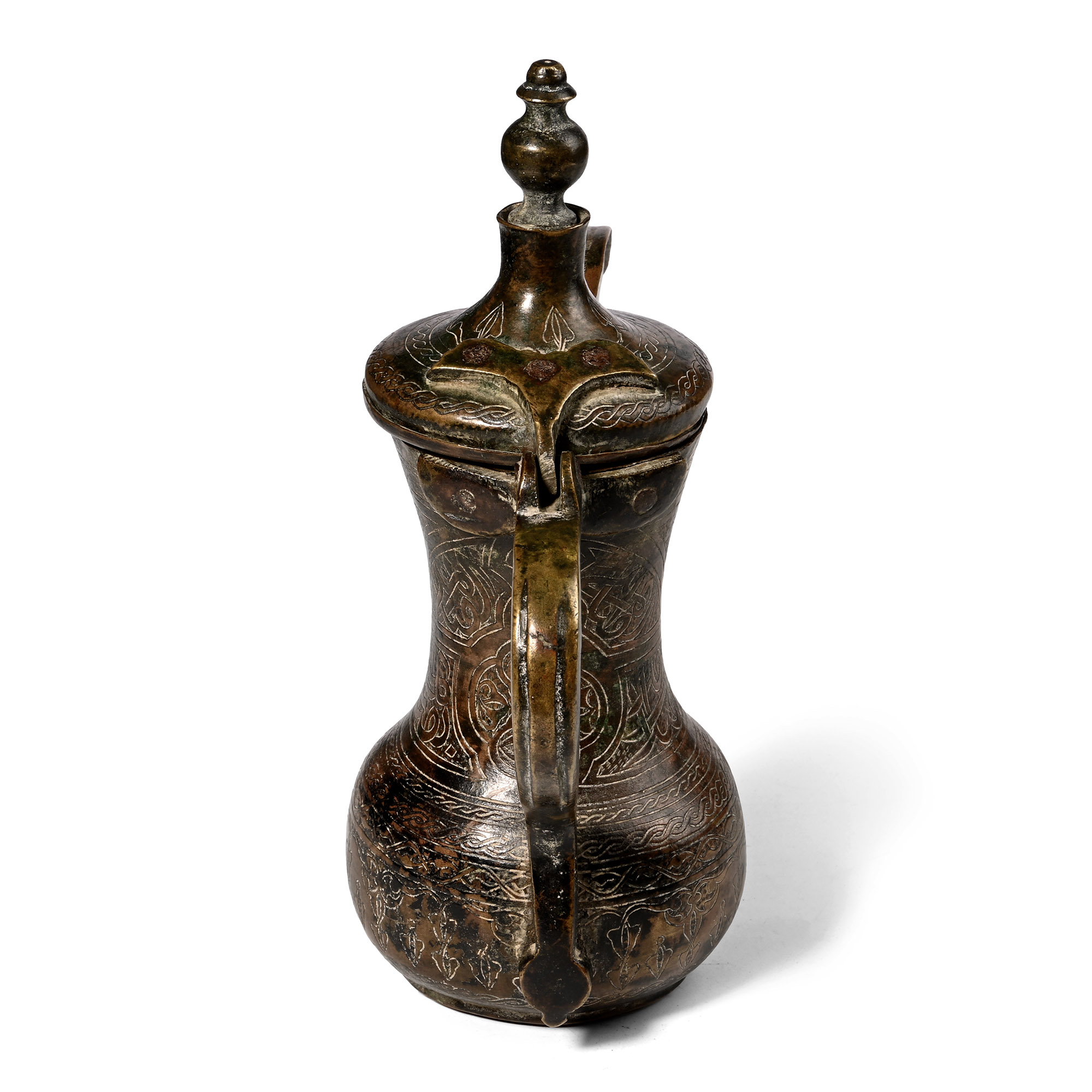
Syrian or Turkish Copper Ewer with Calligraphic Inscription
17TH-18TH CENTURY A.D.
8 1/4 in. (621 grams, 21 cm).
Comprising a bulbous body with basal ring, tubular body with flared upper end, deeply curved spout with hinged cover, strap handle attached at the shoulder, hinged lid with knop handle; stamped and incised bands of guilloche, ropework, tendrils and other motifs.
Provenancewith Roseberys, 22 October 2020, no.204.
Private collection, London, UK.
TimeLine Auctions follows a vetting process to ensure the authenticity and legality of all items, reinforcing our commitment to integrity and responsible trading. Each antiquity, antique, and coin lot undergoes thorough examination by a vetting committee of at least ten external specialists, professional trade association members, scientists, and archaeologists: Our Vetting Process
AUCTIONS:
TimeLine is a leading auction house specialising in antiquities, ancient art, collectables, natural history, coins, medals, and books. Our auctions offer museums, collectors, historians, and enthusiasts the opportunity to acquire unique and historically significant pieces.
LOT 1187
Syrian or Turkish Copper Ewer with Calligraphic Inscription
Sold for (Inc. bp): £338
-
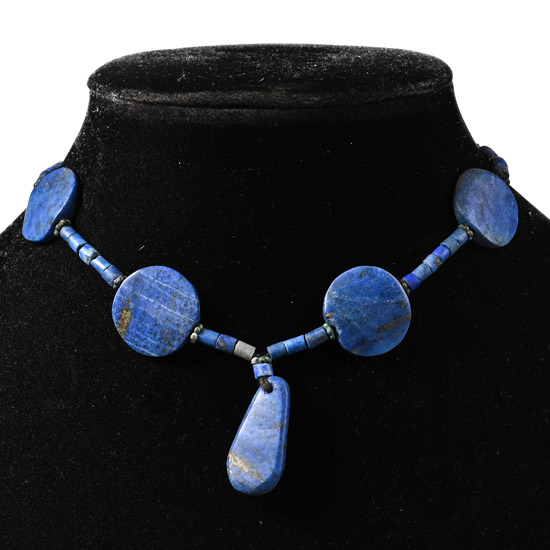
Bactrian Style Lapis Lazuli Bead Necklace String
20th century A.D.Sold for (Inc. bp): £39
Composed of tubular and coin-shaped beads with a teardrop-shaped pendant, restrung. 30.7 grams, 34.3 cm
Acquired in the 1990s-early 2000s. Ex London, UK, collection. -
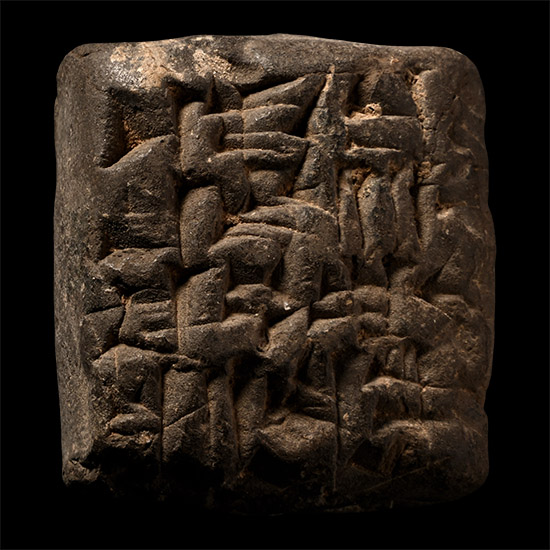
Old Babylonian Cuneiform Tablet with Legal Text
Circa 2000-1600 B.C.Sold for (Inc. bp): £1,300
Small rectangular tablet with cuneiform text on all but one side. 31.67 grams, 35 mm
Private collection, 1980s. UK private collection before 2000. Acquired on the UK art market. Private collection, London, UK. Academically researched and catalogued by the late Professor Lambert. Accompanied by an original handwritten slip written by Professor Wilfrid George Lambert. -
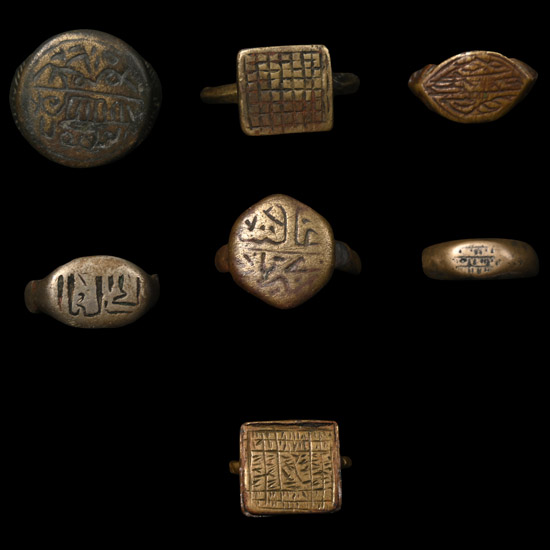
Western Asiatic Bronze Ring Collection
Circa 16th-18th century A.D.Sold for (Inc. bp): £111
Comprising seven rings, each with a decorative bezel, one fragmentary. 43.3 grams total, 18-27 mm
Acquired in the late 1980s-early 1990s. Private collection, London, UK
