
Loading, please wait...
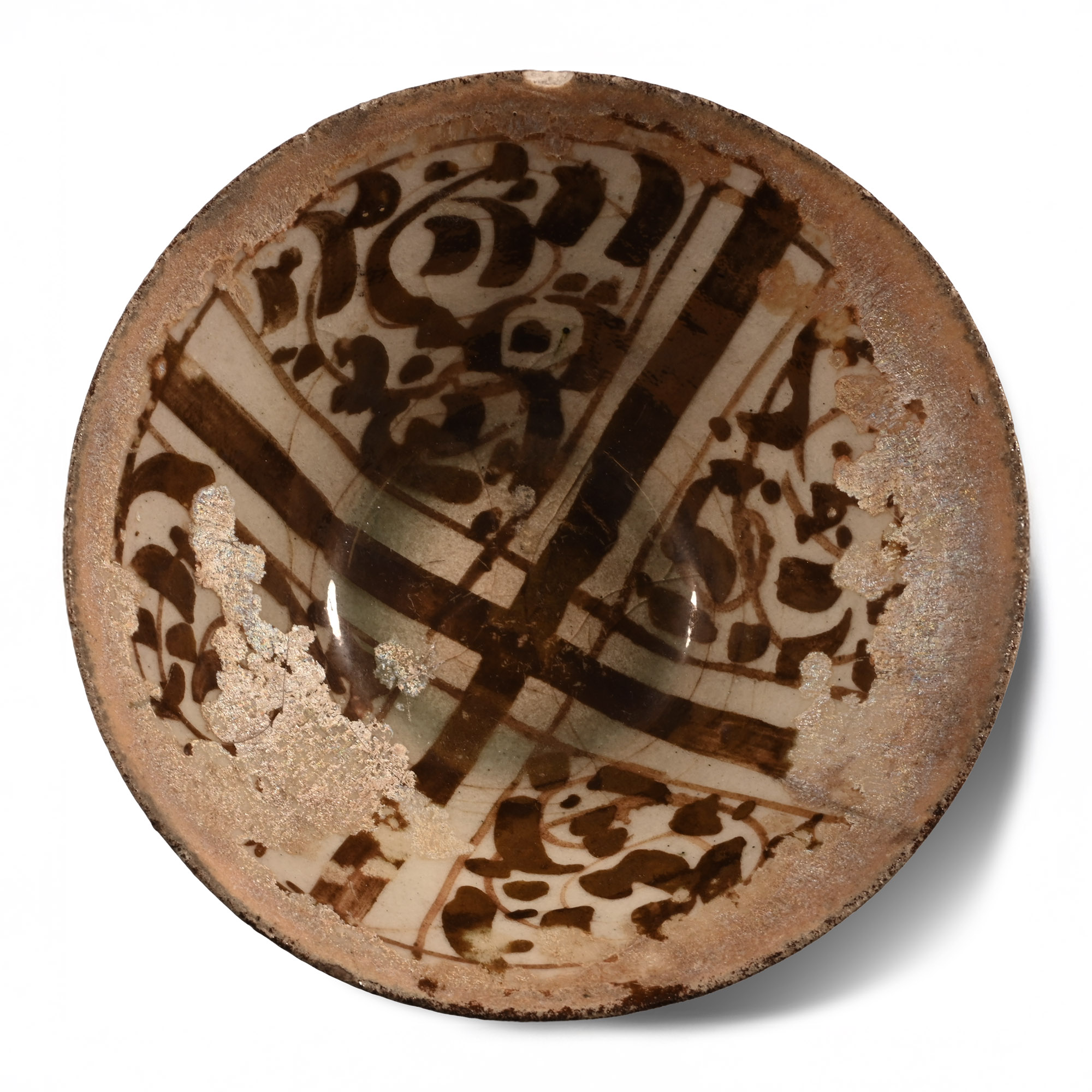
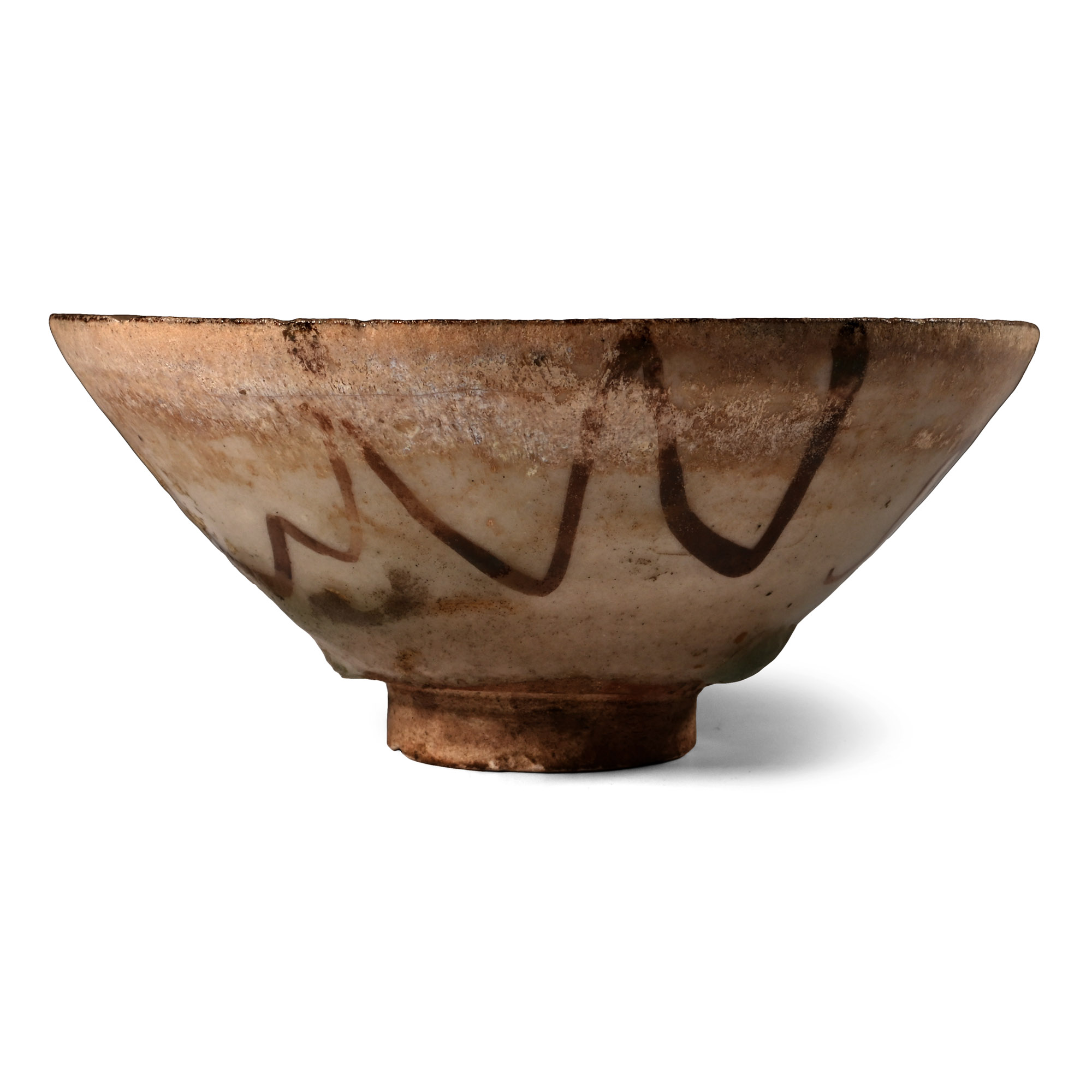
LOT 0237
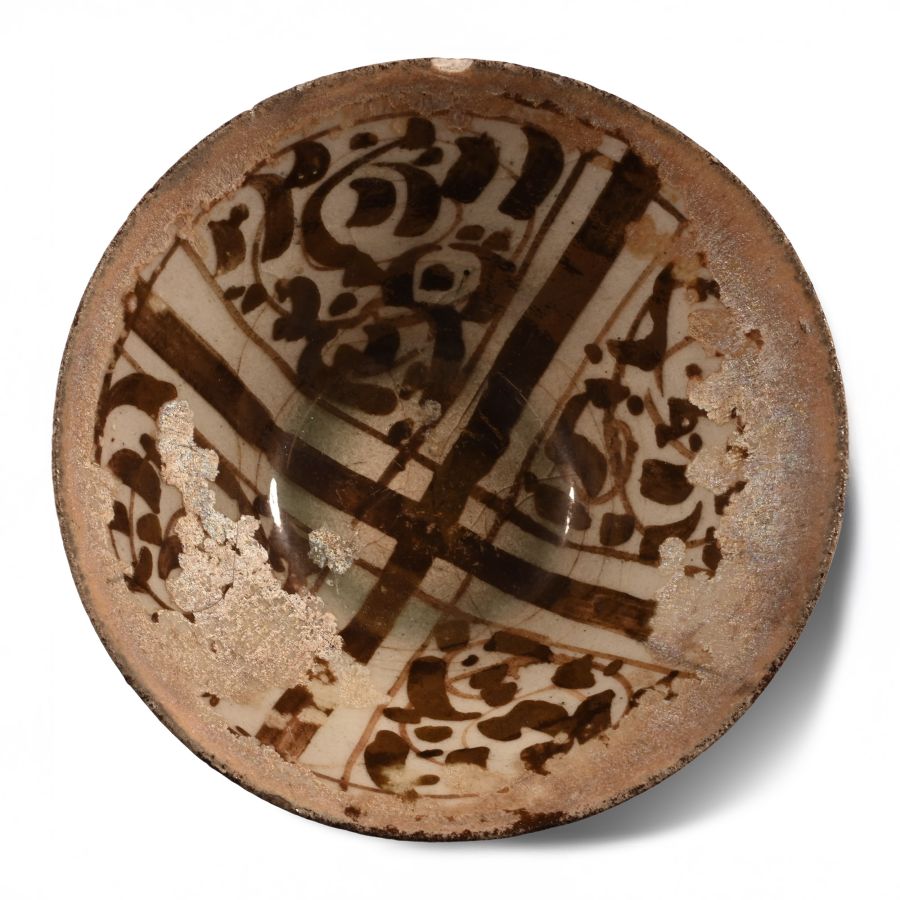
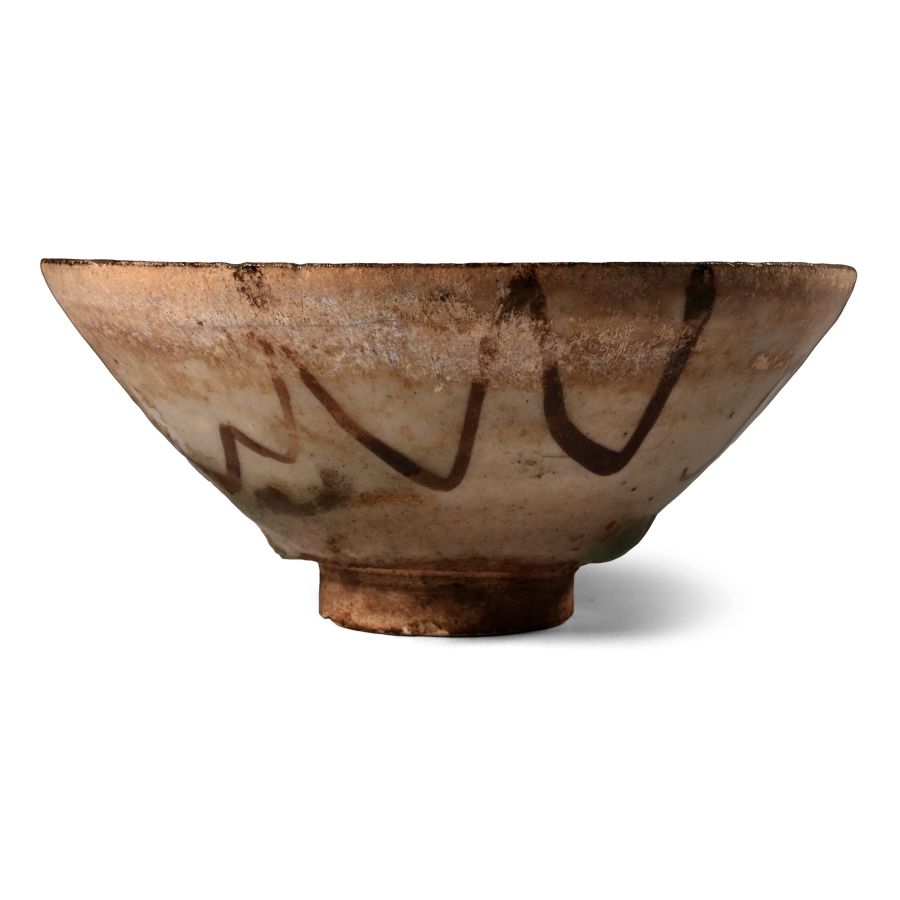
Syrian Lustre Pottery Bowl
13TH CENTURY A.D.
5 3/8 in. (142 grams, 13.8 cm).
Conical in profile with ring foot; glazed inner face with reserved cross and panels of calligraphic text; text to underside inside foot; old collectors' labels to sidewall.
Provenancewith Christie's, London, Islamic Manuscripts, Miniatures, and Works of Art, 10 October 1989, no.485.
Private collection, London.
TimeLine Auctions follows a vetting process to ensure the authenticity and legality of all items, reinforcing our commitment to integrity and responsible trading. Each antiquity, antique, and coin lot undergoes thorough examination by a vetting committee of at least ten external specialists, professional trade association members, scientists, and archaeologists: Our Vetting Process
AUCTIONS:
TimeLine is a leading auction house specialising in antiquities, ancient art, collectables, natural history, coins, medals, and books. Our auctions offer museums, collectors, historians, and enthusiasts the opportunity to acquire unique and historically significant pieces.
-
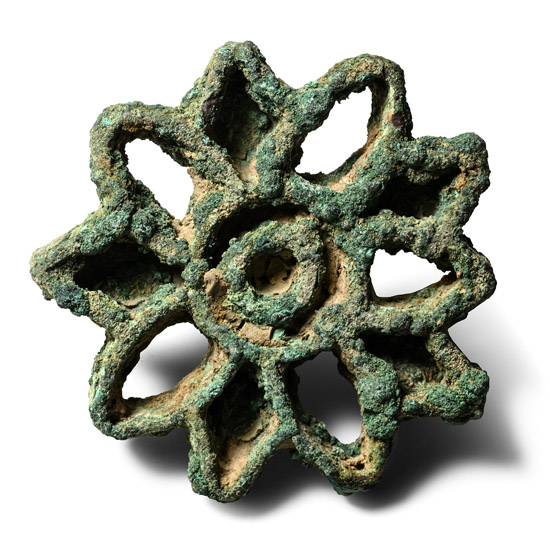
Large West Central Asian Bronze Star-Shaped Rosette Seal Matrix
Circa 2300-2000 B.C.Sold for (Inc. bp): £130
Openwork seal with a triangular loop on the reverse, accompanied by an old scholarly note, typed and signed by W.G. Lambert, late Professor of Assyriology, University of Birmingham, 1970-1993, which states: 'Stamp Seal of Bronze, 52 x 51 x 22 mm. This is round, with flat face and flat back, on which a large handle of inverted V-shape is mounted. The design is both compartmented and open-work. It consists of a rosette, with inner circle, band around that, and ten 'petals' from this circle, giving the shape of the piece. This comes from west central Asia and dates to c. 2300-2000 B.C. It is covered with incrustation, which could be removed. The metal beneath appears to be in good condition, as is the piece generally.' 42.3 grams, 51 mm
Acquired in the late 1980s-early 1990s. Ex property of a West London businessman. Academically researched and catalogued by the late Professor Lambert in the early 1990s. Accompanied by a copy of a scholarly report, numbered R-517, typed and signed by Professor Wilfrid George Lambert. -
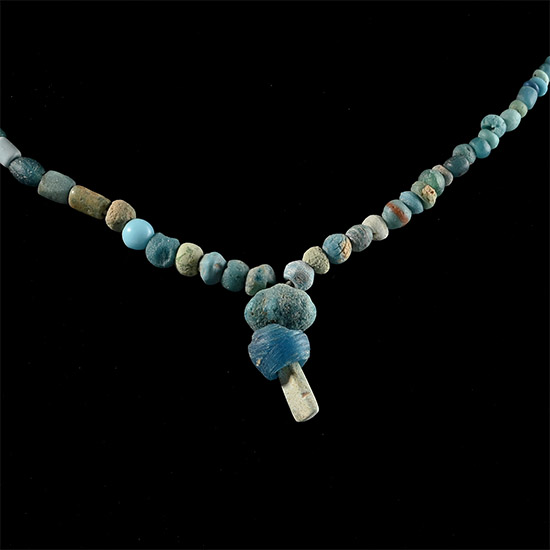
Achaemenid Turquoise Glass and Other Bead Necklace String
Mid 1st millennium B.C. and laterSold for (Inc. bp): £130
Composed mainly of graduated oblate beads with larger beads as the central feature, restrung. 10.5 grams, 38 cm
Acquired in the 1990s. Ex London, UK, collection. -
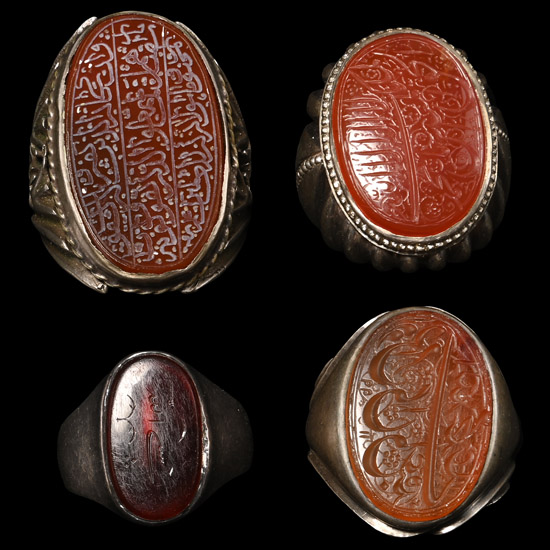
Western Asiatic Silver-Coloured Metal Rings with Calligraphic Gemstones
20th century A.D.Sold for (Inc. bp): £2,470
Comprising four rings set with engraved carnelian gemstones and two rings with openwork hoops. 45.8 grams total, 22-30 mm
Acquired in the late 1980s-early 1990s. Private collection, London, UK.
