
Loading, please wait...
LOT 1191
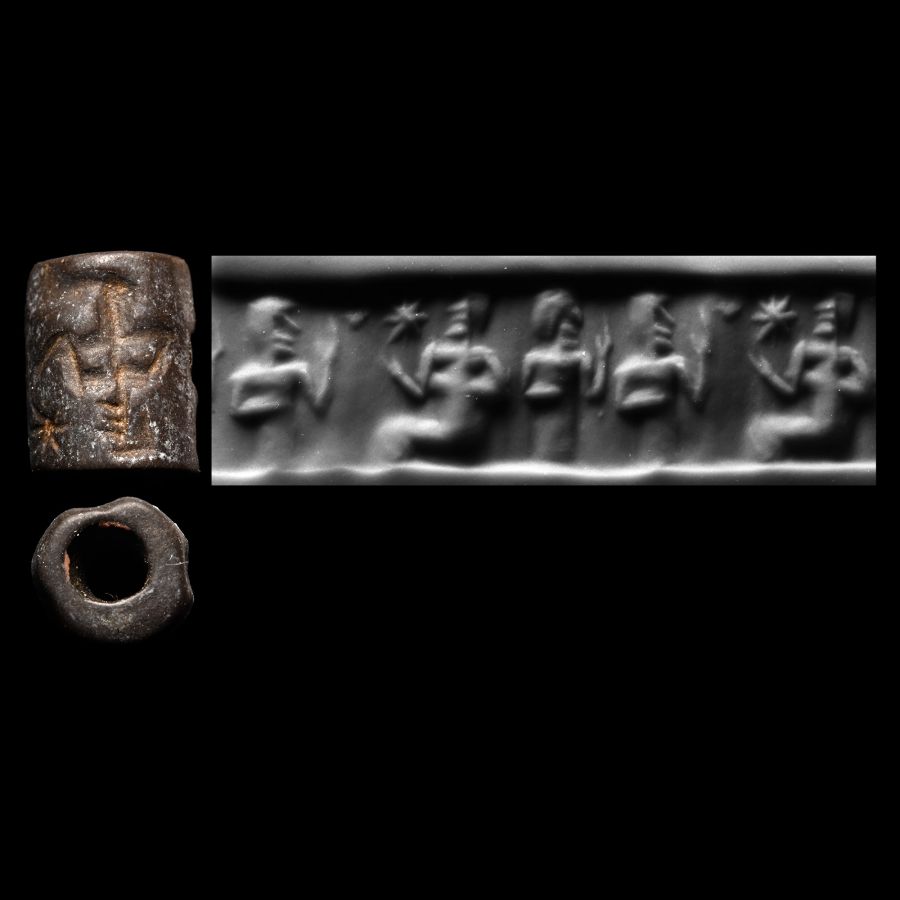
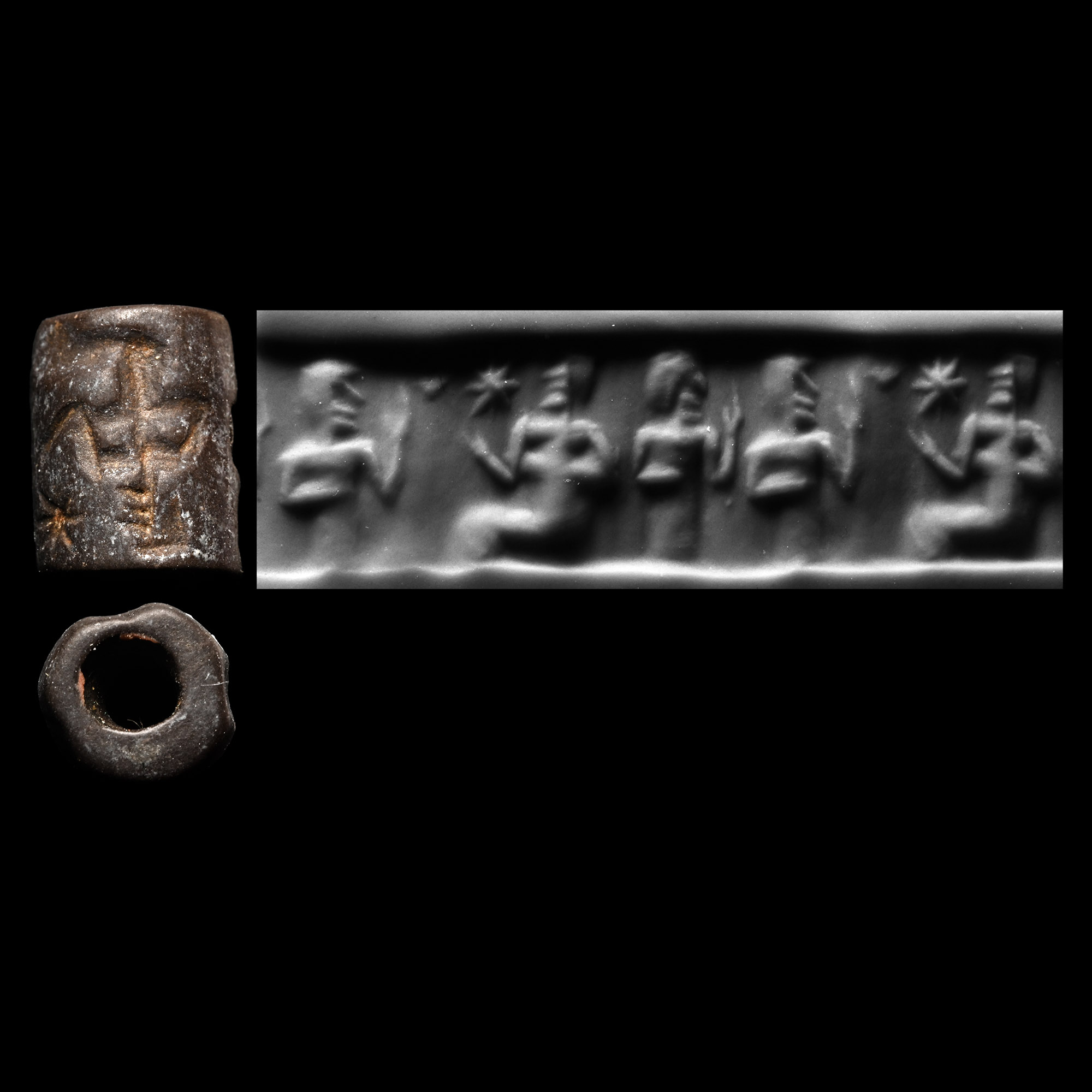
Syrian Haematite Cylinder Seal with Deity
CIRCA 2500-1800 B.C.
3/8 in. (0.83 grams, 10 mm).
A small seal with a deity on a throne, two worshippers before and a star as a filler motif; supplied with a museum-quality impression. [No Reserve]
ProvenanceFrom the private collection of a European gentleman (1942-2024), formed since the 1970s.
Accompanied by a previous typed catalogue slip with collection no.30.
Cf. similar seals n Wilson, J.A., Allen, T.G., Ancient Oriental Cylinder and Other Seals, with a description of the collection of Mrs. William H.Moore, Chicago, 1940, figs.25-26.
CONDITIONTimeLine Auctions follows a vetting process to ensure the authenticity and legality of all items, reinforcing our commitment to integrity and responsible trading. Each antiquity, antique, and coin lot undergoes thorough examination by a vetting committee of at least ten external specialists, professional trade association members, scientists, and archaeologists: Our Vetting Process
AUCTIONS:
TimeLine is a leading auction house specialising in antiquities, ancient art, collectables, natural history, coins, medals, and books. Our auctions offer museums, collectors, historians, and enthusiasts the opportunity to acquire unique and historically significant pieces.
-
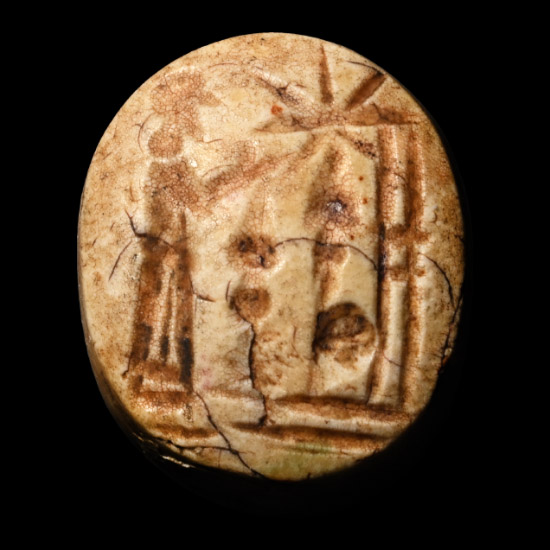
Neo-Babylonian Burnt Stone Stamp Seal with Cultic Scene
8th-6th century B.C.Sold for (Inc. bp): £351
Conical body pierced at the top, the underside with a standing robed figure before an altar with his arms raised in adoration. 7.23 grams, 23 mm
UK private collection, acquired on the English market in the 2000s. -
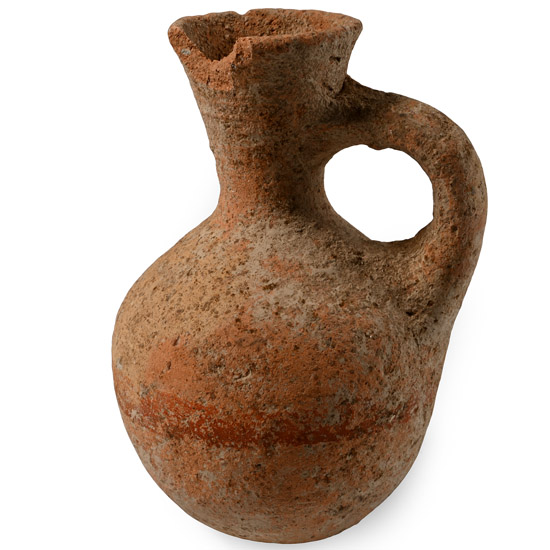
Holy Land Terracotta Juglet
Bronze Age, circa 2nd millennium B.C.Sold for (Inc. bp): £59
Spherical body with trumpet-shaped neck and strap handle, painted circumferential band on the body. 12.8 grams, 97 mm
From the collection of a Cambridge, UK, gentleman, by direct descent from his father, who acquired the items in London in circa 1960. -
.jpg)
Old Babylonian Haematite Cylinder Seal Fragment
Circa 2000-1750 B.C.Sold for (Inc. bp): £221
Fragment with incuse frieze depicting a presentation scene with bull-man facing, gripping a rampant lion, storm-god in conical hat holding a calf towards a standing figure in tiered robes; supplied with impressions. 10.9 grams, 19 mm
From the S. Negev desert, Israel. From the private collection of Mr Brian Edwards, New Malden, Surrey, UK, formed from the late 1970s-early 1980s; thence by descent. Accompanied by an old handwritten information card.
