
Loading, please wait...
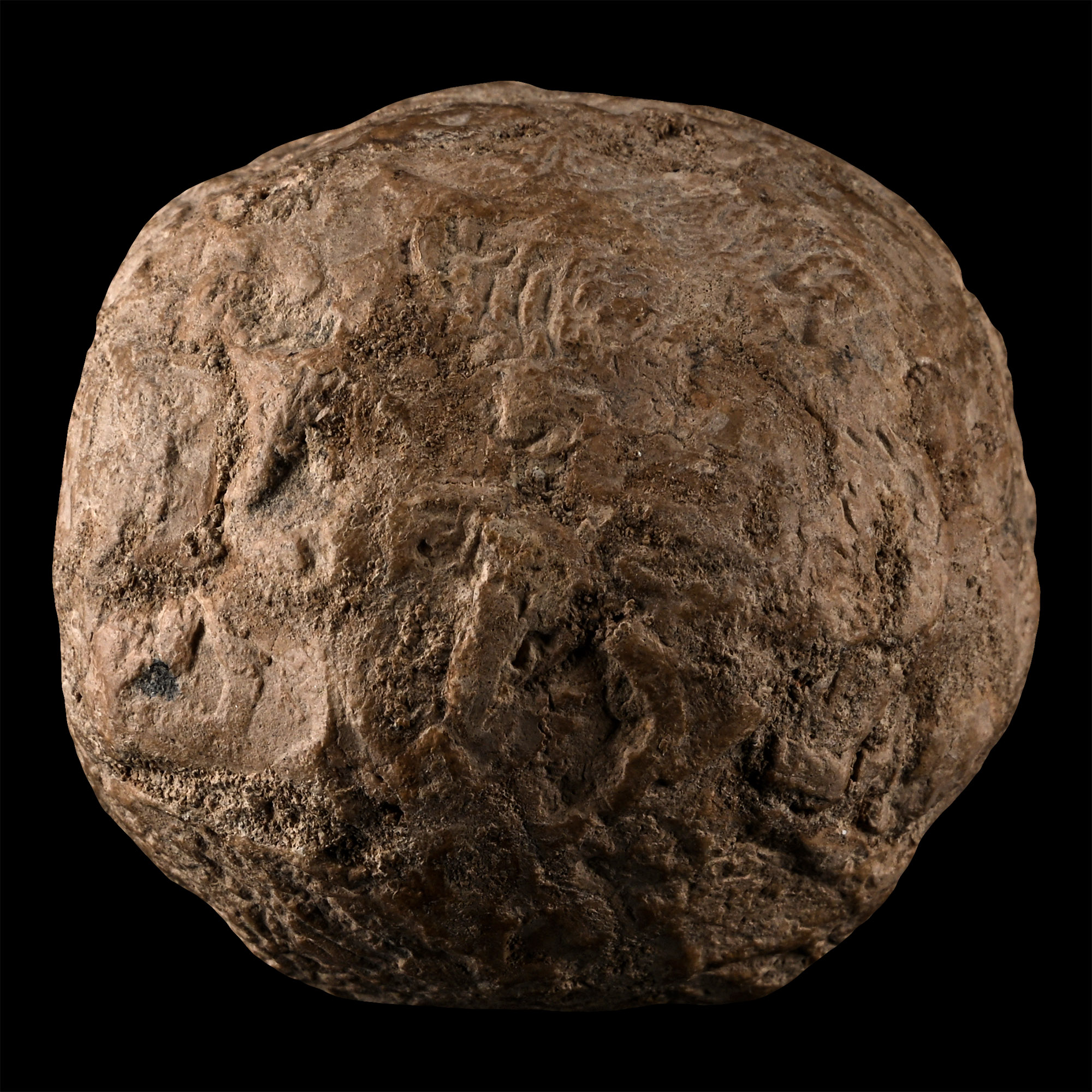
LOT 0275
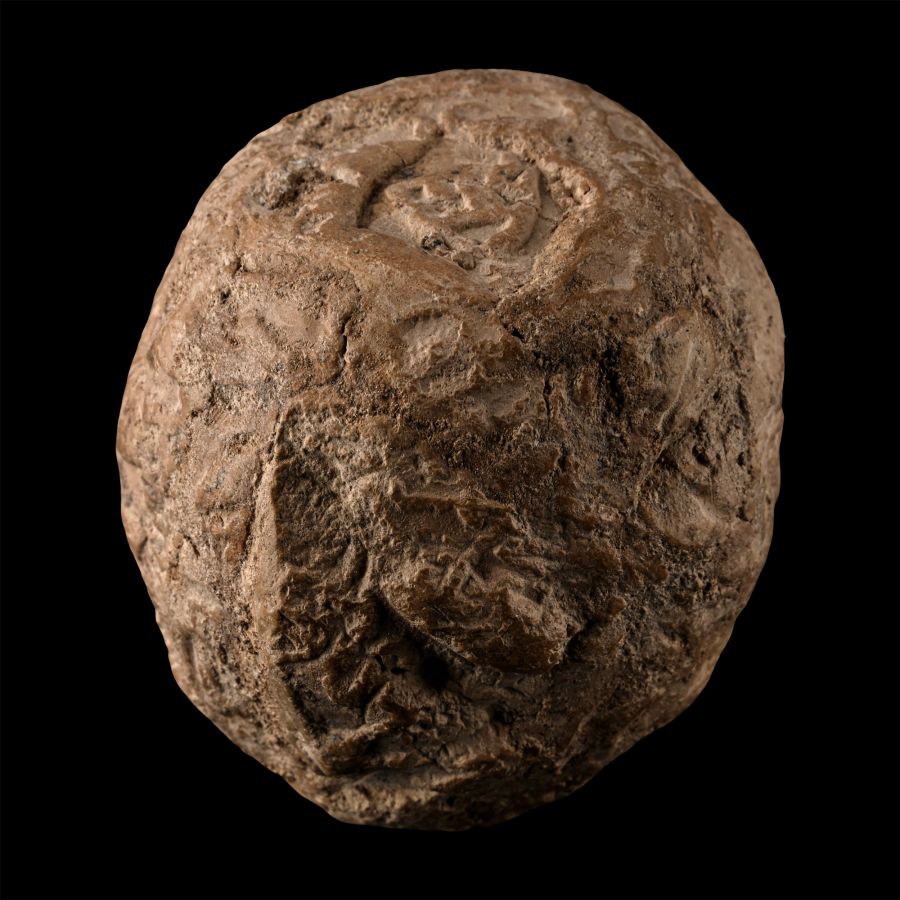
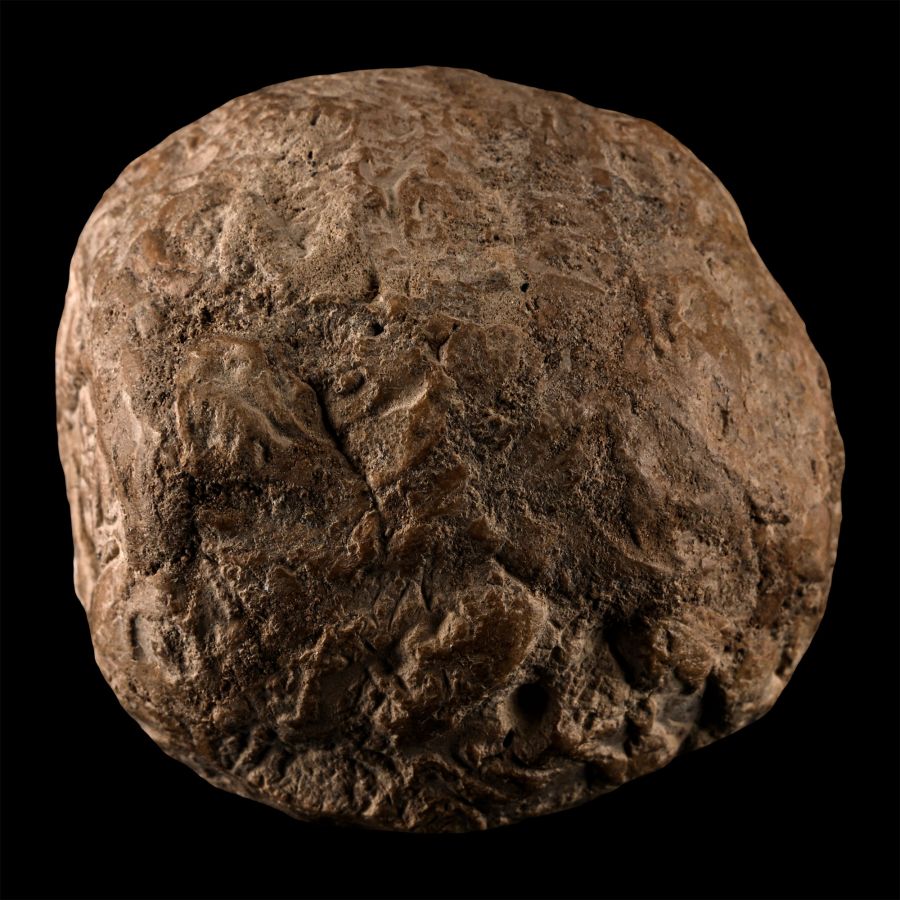
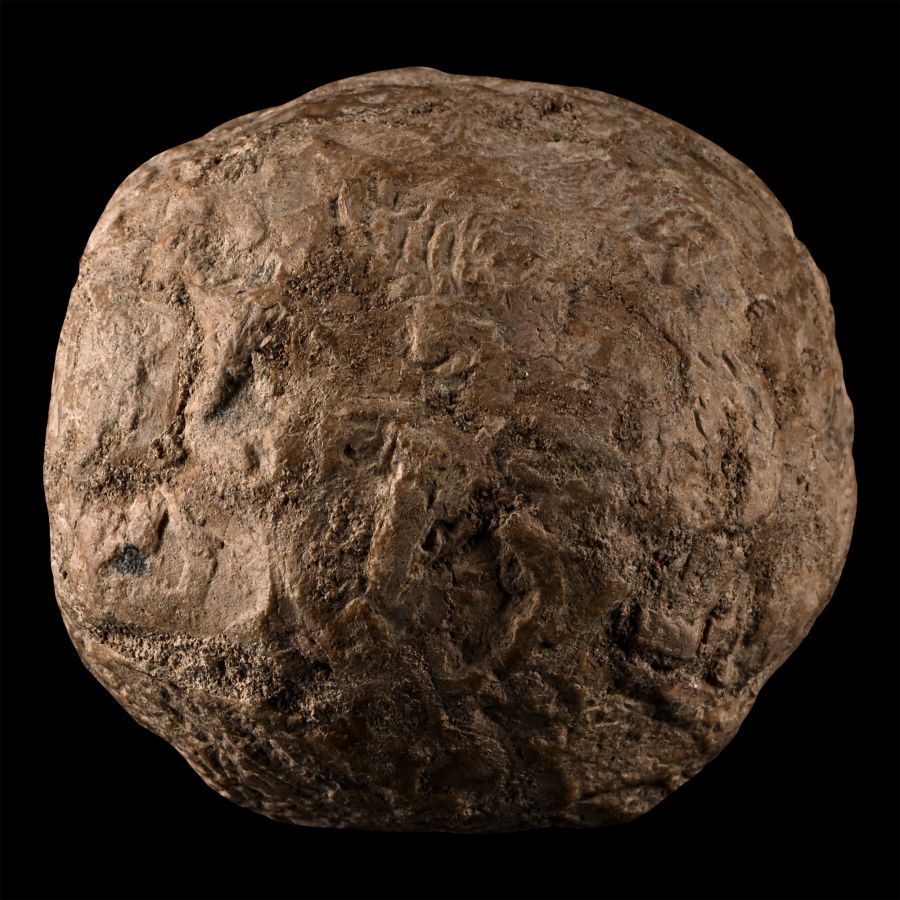
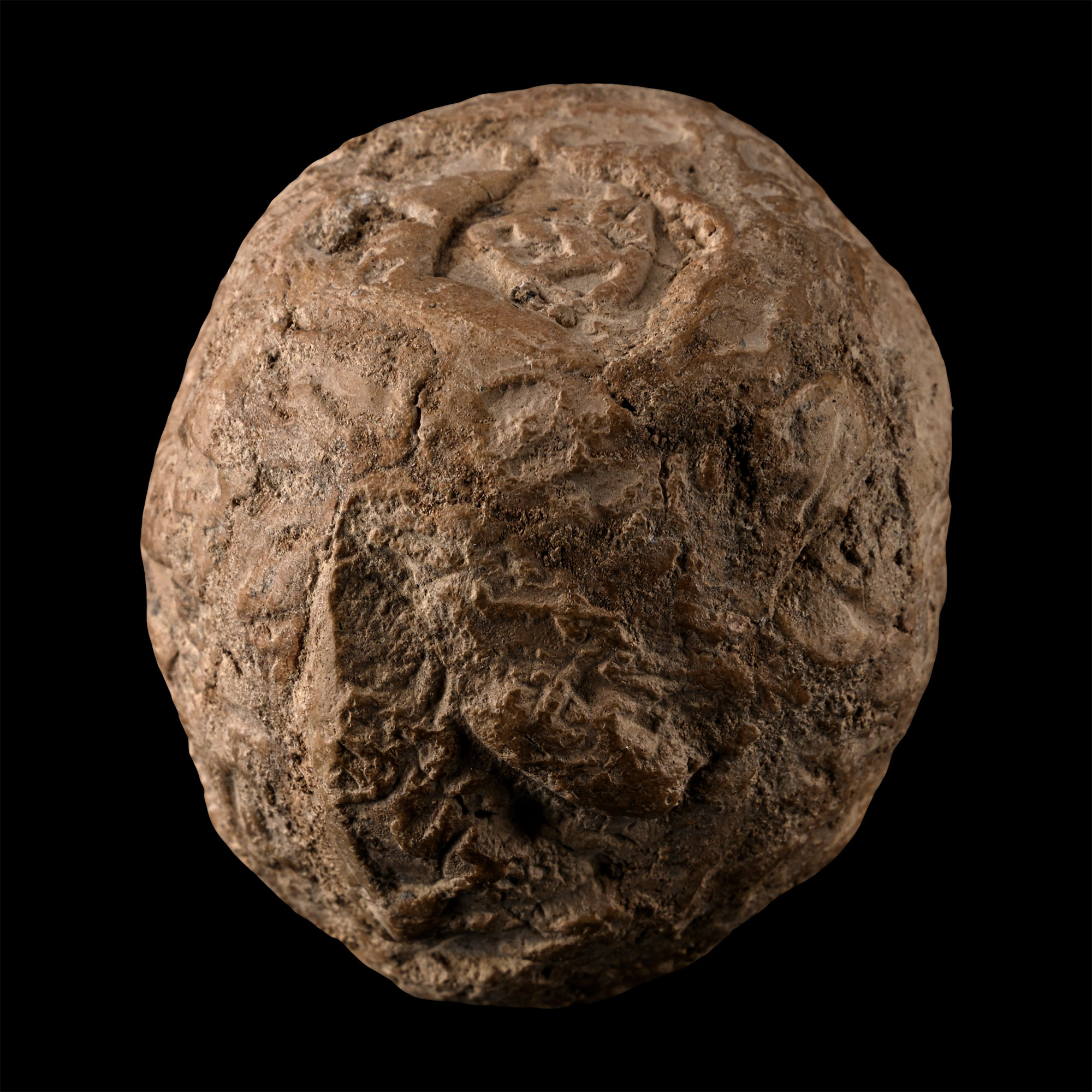
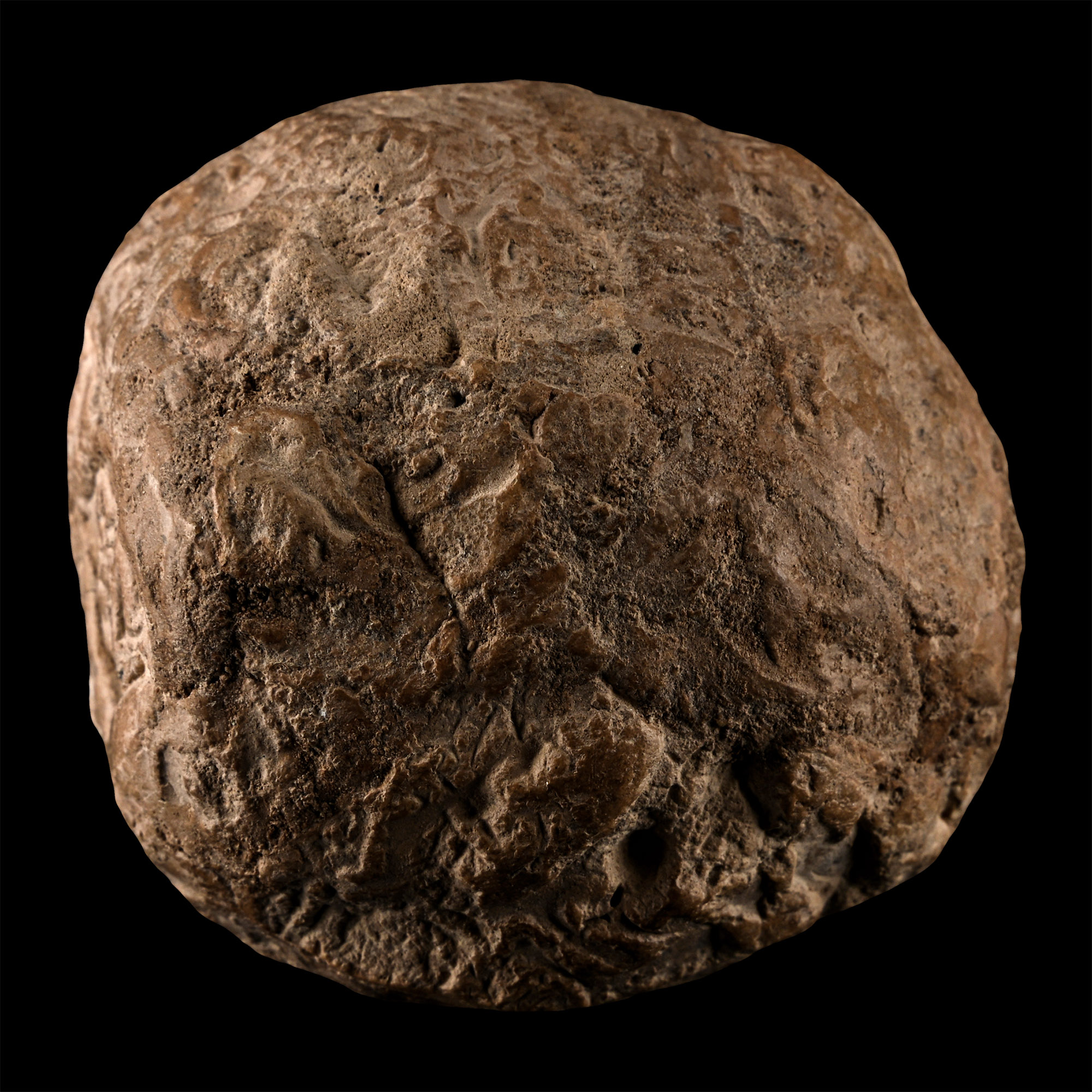
Sumerian Terracotta Bulla
4TH MILLENNIUM B.C.
2 3/8 in. (147 grams, 60 mm).
A bulla with oval stamped impression of two animals.
ProvenanceSpecialised collection of cuneiform texts, the property of a London gentleman and housed in London before 1988.
Thence by descent to family members.
Examined by Professor Wilfrid George Lambert FBA (1926-2011), historian, archaeologist, and specialist in Assyriology and Near Eastern archaeology, in the late 1980s and early 1990s.
The collection is exceptional for the variety of types, including some very rare and well preserved examples.
Accompanied by a copy of a previous catalogue page.
Small globular and hollowed clay balls are defined as 'bulla'. They are also known as ‘bulla-envelopes', some of which are plain and some displaying epigraphic, zoomorphic and/or figural decoration, impressed by either cylinder or stamp seals. Bulla first emerged in Mesopotamia and their earliest occurrence can be traced to circa 8000 B.C. Most know decorated bullae come from the Uruk area and offer an insight into its culture. This bulla represents a religious scene, indicated by the combination of the pyramid-shaped byre and the 'sacred herd', which are seen on the early Uruk seals. The symbol of the Mother-Goddess, presented in conjunction with the representations of sheep herd and byre, gave such imagery symbolic significance. The impression with two sheep depicted under the byre, might have been impressed by a stamp seal of the early Uruk period.
CONDITIONTimeLine Auctions follows a vetting process to ensure the authenticity and legality of all items, reinforcing our commitment to integrity and responsible trading. Each antiquity, antique, and coin lot undergoes thorough examination by a vetting committee of at least ten external specialists, professional trade association members, scientists, and archaeologists: Our Vetting Process
AUCTIONS:
TimeLine is a leading auction house specialising in antiquities, ancient art, collectables, natural history, coins, medals, and books. Our auctions offer museums, collectors, historians, and enthusiasts the opportunity to acquire unique and historically significant pieces.
-
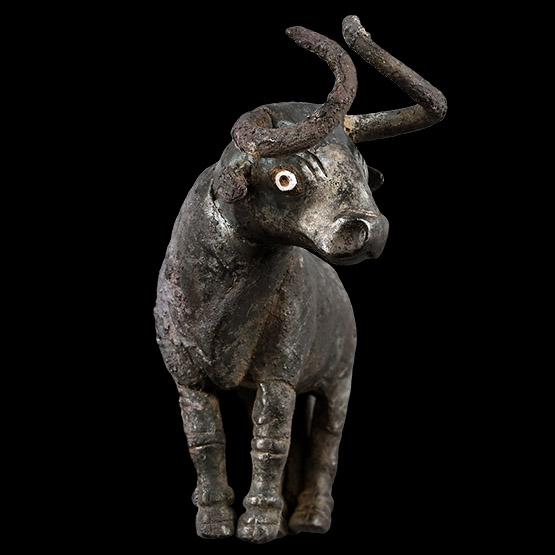
Early Proto-Elamite Silver Horned Bull Pendant
3100-2900 B.C.Estimate: £20,000 - 30,000 (+bp*)
Opening Bid: £10,000
Representing an exquisite bull figure standing with his head turned dramatically to the left, depicted with large curled horns and inlaid white stone eyes, formed from thin hammered silver sheet in repoussé, depicting the bull as a hollow pendant, with the interior filled with natural bitumen; traces of an original suspension loop on the shoulder. 54.5 grams, 70 mm wide
with Mahboubian Gallery, New York, acquired prior to 1969. Accompanied by an academic report by Dr Raffaele D’Amato. This lot has been checked against the Interpol Database of stolen works of art and is accompanied by search certificate number no.13140-249434.
Objects of this type are understood to be ritual or votive pendants, produced not for everyday wear but primarily for dedication in temple contexts. Bulls, goats, rams and other herd animals with horns were thematically abundant in the Ancient Near East, especially around the Iranian plateau circumscribed by the Zagros and Elbruz Mountains and multiple deserts. There are representations of bulls as pendants or votive statuettes (Mahboubian,1997, pp.59, 213, 224, 225, 225, 235, 240), vessel stands (Mahboubian, 1997, pp.40-41), vessel protomes and rhytons from Mesopotamia to Caucasus. -

Western Asiatic Bronze Bowl
Late 1st millennium B.C.Sold for (Inc. bp): £85
Broad and squat with ring to the centre of the inner face. 168 grams, 13.3 cm
Ex 1990s collection and with a central London gallery. -
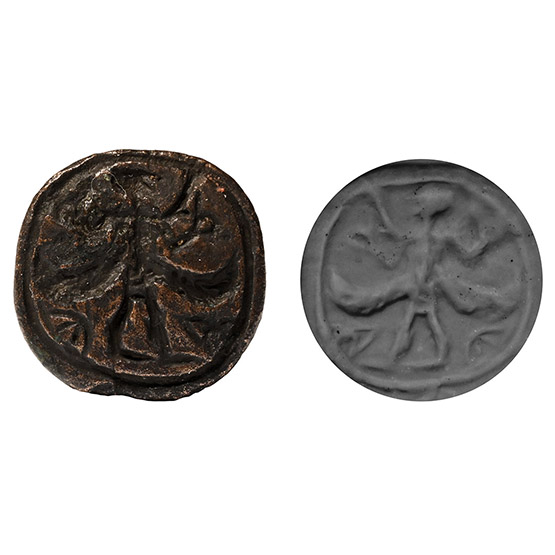
Western Asiatic Stamp Seal with Winged God
Circa 800 B.C.Estimate: £180 - 240 (+bp*)
Opening Bid: £95
Conical body with ribbed collar and loop, raised plaque to the underside with incuse image of winged figure; supplied with a museum-quality impression. 6.8 grams, 16 mm
From the collection of a gentleman, acquired on the London art market in the 1990s.
