
Loading, please wait...
LOT 0197
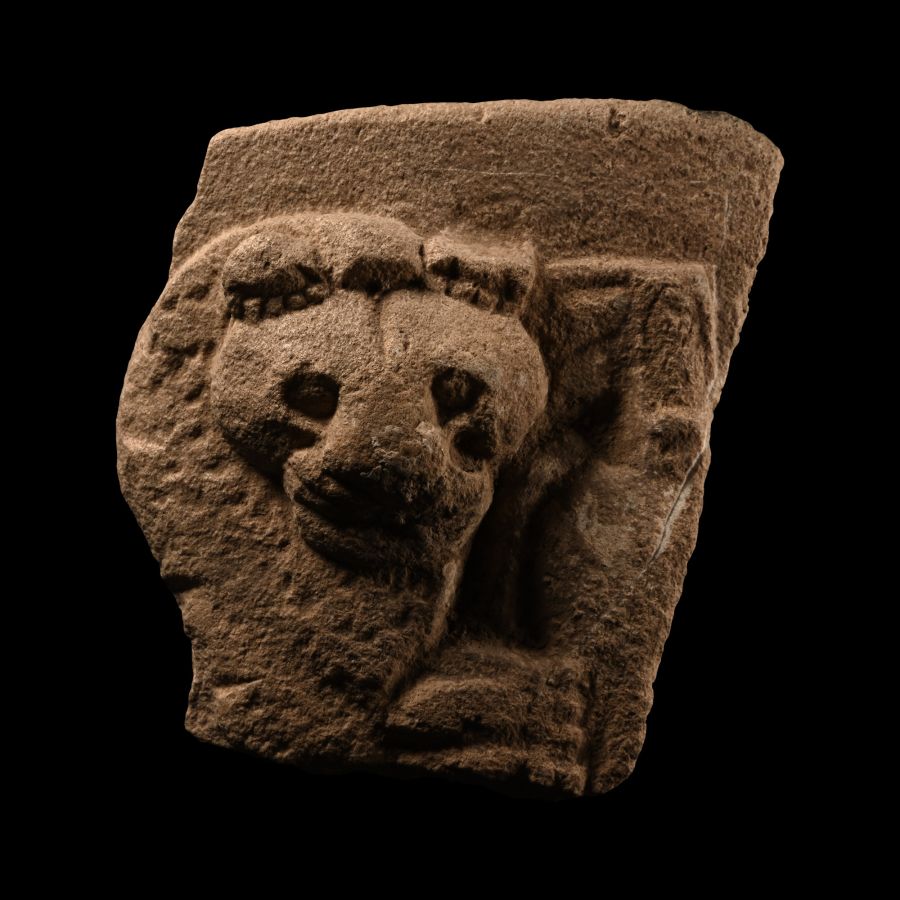
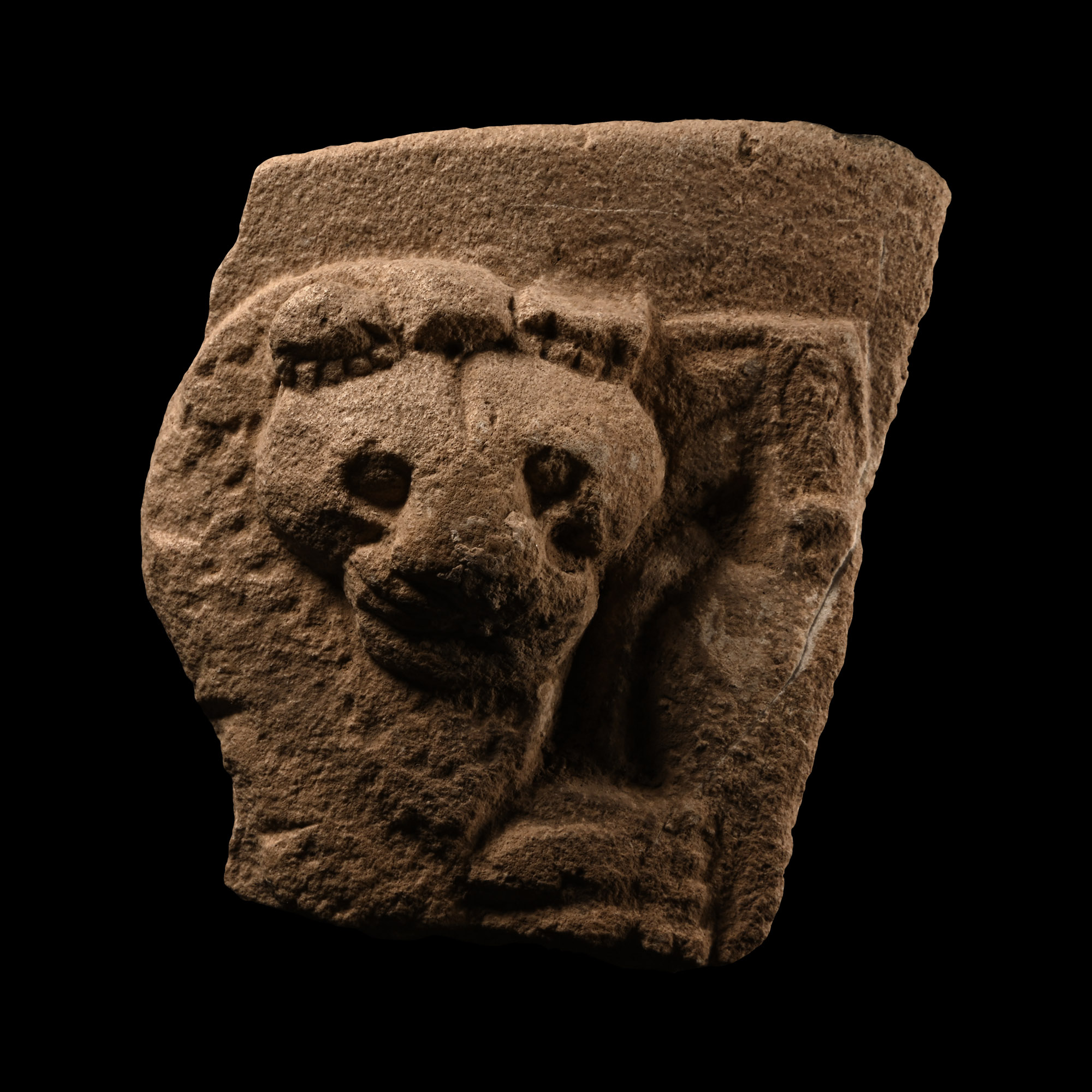
Sumerian Limestone Plaque with Lion
3RD MILLENNIUM B.C.
3 3/4 in. (246 grams, 96 mm).
Fragment from a plaque or large bowl with high-relief head and foreparts of a lion with broad piriform face and sunken eyes; rounded rim above.
ProvenanceEx Mr J.K. Maryland, USA.
Private collection.
Acquired in 1999.
Cf. Woolley, L., Medio Oriente (Near East), Milano, 1961, p.48, for near identical lions on the sacrificial vessel coming from Uruk with images of bulls and lions in relief.
FootnotesFrom a technical point of view, the sculpture, in low relief, belonged to a ritual element with profile figures highlighted by an extremely delicate internal modelling, with space between the various decorative bands that admirably preserves the figure of the lion, giving it full value, according to an artistic principle also found in the seals of the Jemdet Nasr period (2800-2600 BC).
CONDITIONTimeLine Auctions follows a vetting process to ensure the authenticity and legality of all items, reinforcing our commitment to integrity and responsible trading. Each antiquity, antique, and coin lot undergoes thorough examination by a vetting committee of at least ten external specialists, professional trade association members, scientists, and archaeologists: Our Vetting Process
AUCTIONS:
TimeLine is a leading auction house specialising in antiquities, ancient art, collectables, natural history, coins, medals, and books. Our auctions offer museums, collectors, historians, and enthusiasts the opportunity to acquire unique and historically significant pieces.
-
Eastern Mediterranean Terracotta Handled Vase with Engraved Zig-Zag Panels
1st millennium B.C.Sold for (Inc. bp): £260
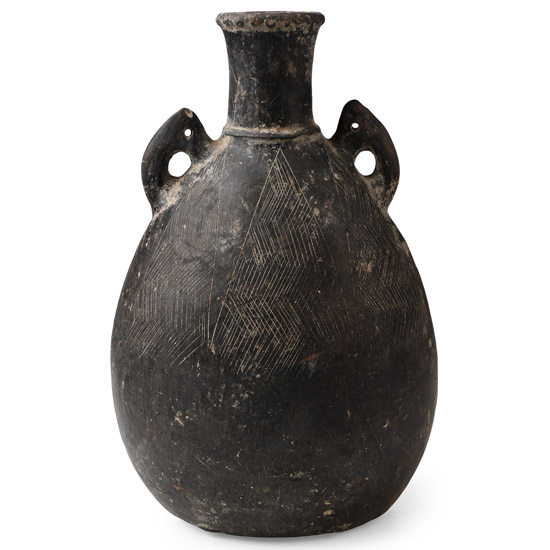
Ovoid body with tall tubular neck with rolled rim, two pierced handles on the shoulder, and a raised collar beneath the neck, the upper body decorated with triangular panels with hatched decoration, and a vertical band of herringbone design beneath one of the handles. 1.31 kg, 27.5 cm
Ex Abelita collection, 1990s. -
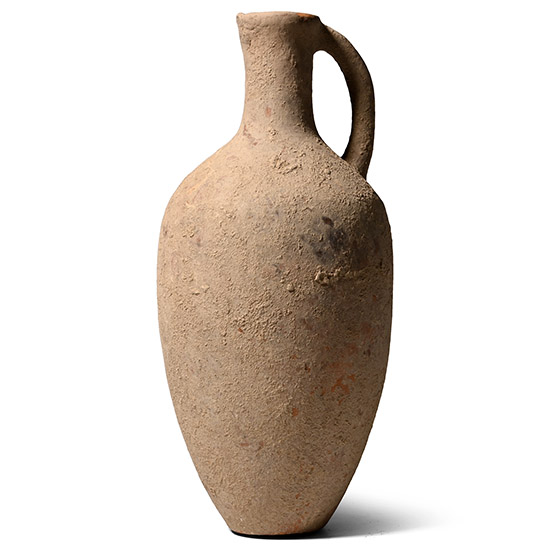
Western Asiatic Pottery Vessel with Handle
1st millennium B.C.Sold for (Inc. bp): £124
Ovoid body with flat base and narrow neck, a round-section handle to the rear. 360 grams, 22.5 cm
From an important specialist collection, London, UK, 1990s. -
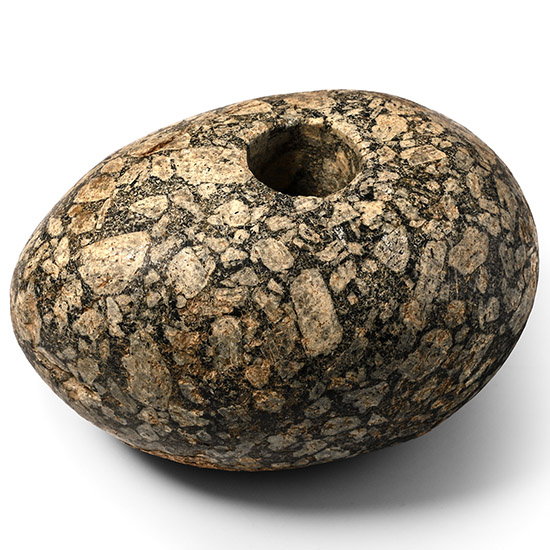
Western Asiatic Stone Macehead
4th millennium B.C.Estimate: £400 - 600 (‡+bp*)
Opening Bid: £200
Oval in plan with a tapering drilled central socket. 360 grams, 81 mm
Ex private collection, Contessa L.G., since the 1980s. Private collection, acquired in 1999.
The mace was a close-combat weapon consisting of a short handle and a massive striking element—the head, a striking weapon capable of inflicting severe contusions and internal fractures. Although a very archaic and rather primitive weapon, the mace was nevertheless widely used in the ancient East. Its sacred and representative role was particularly significant. Due to its shape, it symbolised the owner's masculinity and was therefore one of the primary insignia of power, symbolising the inseparability of its civil, military, and sacred-magical essences—ensuring the functioning and reproduction of the collective and the conditions for its existence. This is why we so often encounter ‘ceremonial’ maces, especially those made of stone—in this case, undoubtedly a ritual material. However, it must be said that stone, as a material for a mace head, was in no way inferior to metal in terms of combat qualities, while being much more labour-intensive to manufacture, which was precisely what appealed to the ritual, symbolic role of this weapon.
