
Loading, please wait...
LOT 0237
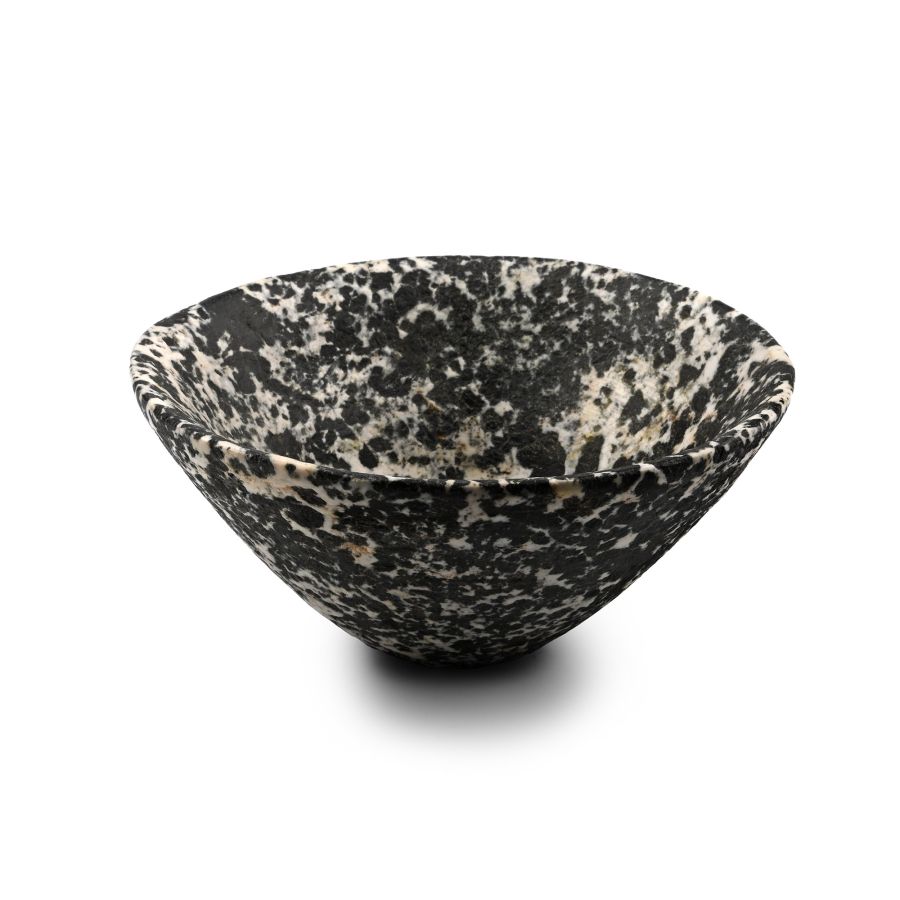
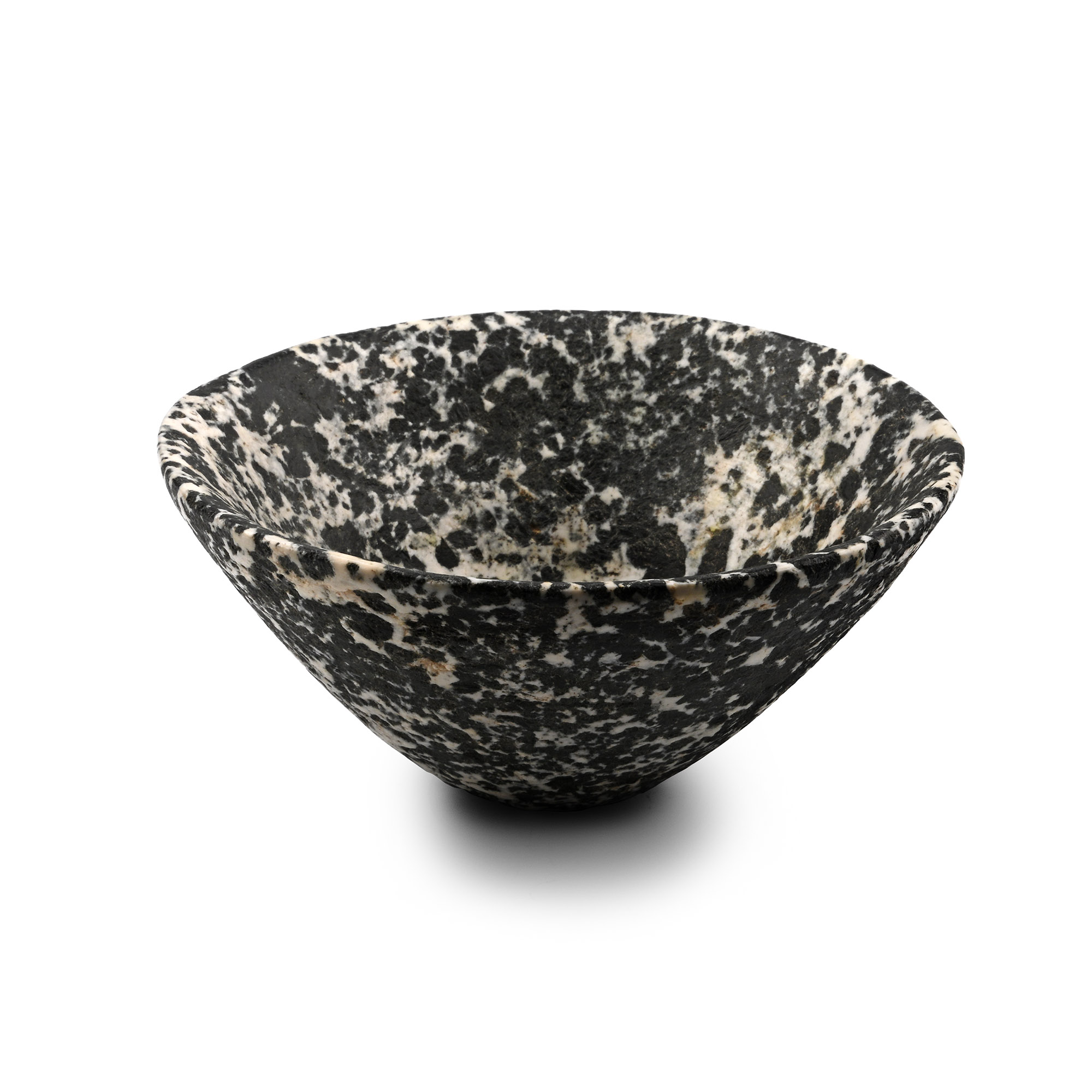
Sumerian Diorite Bowl
4TH-3RD MILLENNIUM B.C.
4 1/2 in. (362 grams, 11.6 cm wide).
Conical in profile with narrow base and rounded rim.
ProvenanceEx private collection, Contessa L.J., since the 1980s.
Private collection, Switzerland, 2001.
This lot has been cleared against the Art Loss Register database, and is accompanied by an illustrated lot declaration signed by the Head of the Antiquities Department, Dr Raffaele D'Amato.
TimeLine Auctions follows a vetting process to ensure the authenticity and legality of all items, reinforcing our commitment to integrity and responsible trading. Each antiquity, antique, and coin lot undergoes thorough examination by a vetting committee of at least ten external specialists, professional trade association members, scientists, and archaeologists: Our Vetting Process
AUCTIONS:
TimeLine is a leading auction house specialising in antiquities, ancient art, collectables, natural history, coins, medals, and books. Our auctions offer museums, collectors, historians, and enthusiasts the opportunity to acquire unique and historically significant pieces.
-
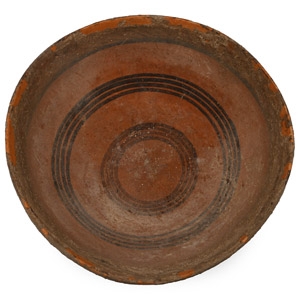
Bronze Age Bichrome Terracotta Bowl
2nd-1st millennium B.C.Sold for (Inc. bp): £91
Broad and squat with concentric painted rings in two bands to the inner face. 625 grams, 22.5 cm wide
Ex property of a London, UK, gentleman, 1990s. This lot has been cleared against the Art Loss Register database, and is accompanied by an illustrated lot declaration signed by the Head of the Antiquities Department, Dr Raffaele D'Amato. -
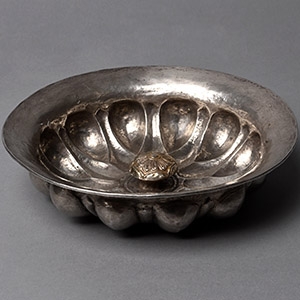
Achaemenid Silver Phiale with Central Rosette
5th century B.C.Sold for (Inc. bp): £4,680
Squat lotiform bowl with wide everted rim, central domed mesomphalos with rosette detailing, traces of gilding. 283 grams, 20.7 cm wide
English private collection, formed 1940s. Private collection, UK. This lot has been checked against the Interpol Database of stolen works of art and is accompanied by a search certificate number no.12795-241325. This lot has been cleared against the Art Loss Register database, and is accompanied by an illustrated lot declaration signed by the Head of the Antiquities Department, Dr Raffaele D'Amato.
This bowl is possibly part of a set of nearly identical vessels, probably used at the table of royal Satrapes. Persian governors used banquets to display their wealth and power by imitating the royal banquets. It was a greater honour for them to receive a drinking vessel such as this as a gift from the King of the Kings – establishing one’s status as a royal dinner guest. No doubt it took practice to drink adeptly from a vessel like this: however the omphalos in the base would have made it easier to hold with one hand, with the middle finger hooked inside the indentation and the thumb stretched out to grip the vessel at or near the rim. -
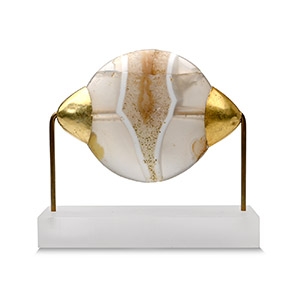
Western Asiatic Banded Agate Bead
2nd-1st millennium B.C.Estimate: £3,000 - 4,000 (‡+bp*)
Opening Bid: £1,500
Discoid in plan and pierced transversely with later D-shaped later gold cap to each end; mounted on a custom-made stand. 88 grams total, 84 mm wide including stand
Private collection, acquired on the UK art market, 2000. Private collection, Switzerland. This lot has been checked against the Interpol Database of stolen works of art and is accompanied by a search certificate number no.12877-241681. This lot has been cleared against the Art Loss Register database, and is accompanied by an illustrated lot declaration signed by the Head of the Antiquities Department, Dr Raffaele D'Amato.
