
Loading, please wait...
LOT 1081
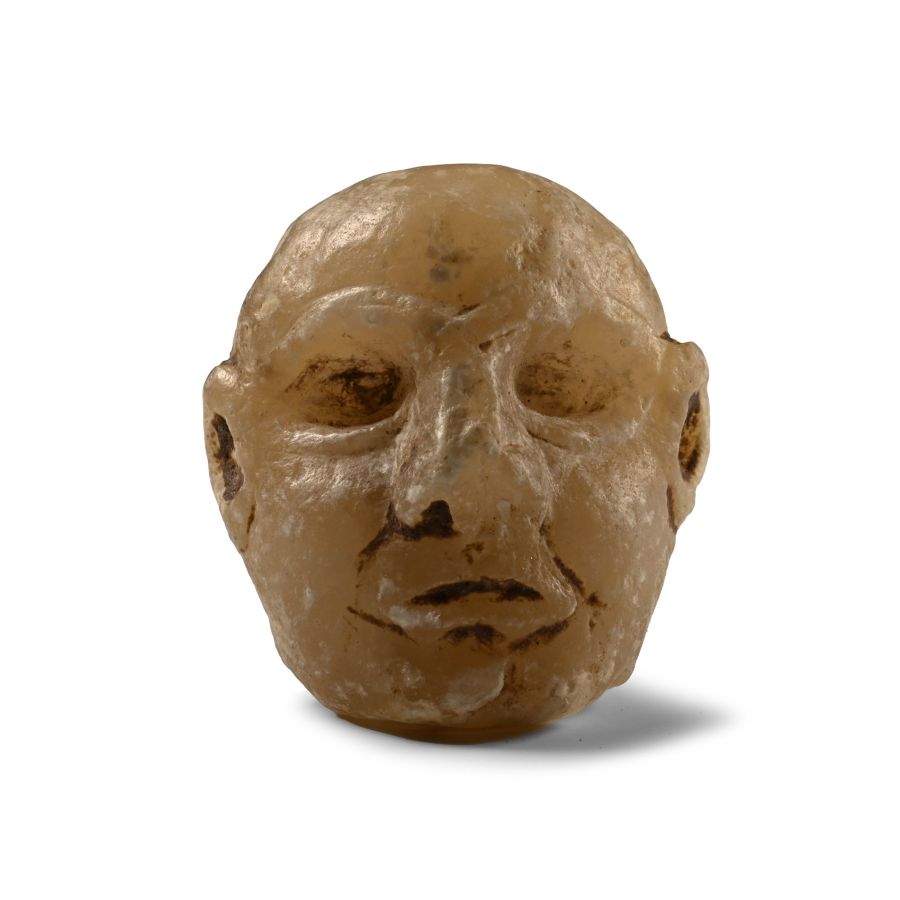
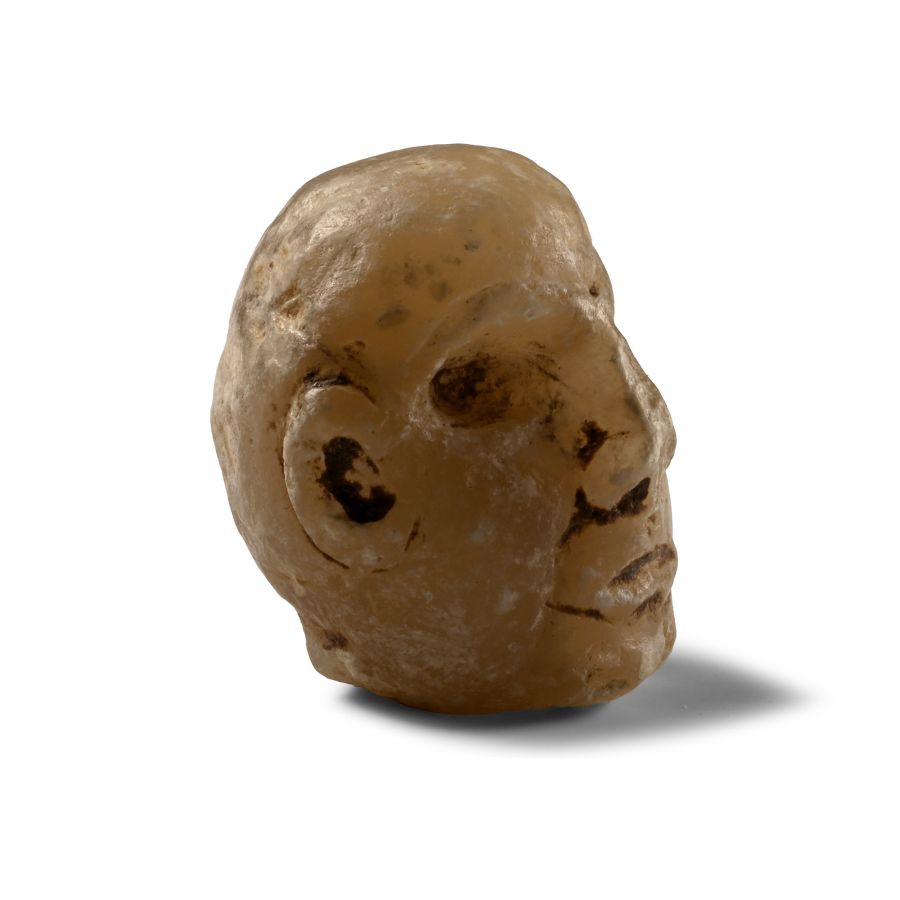
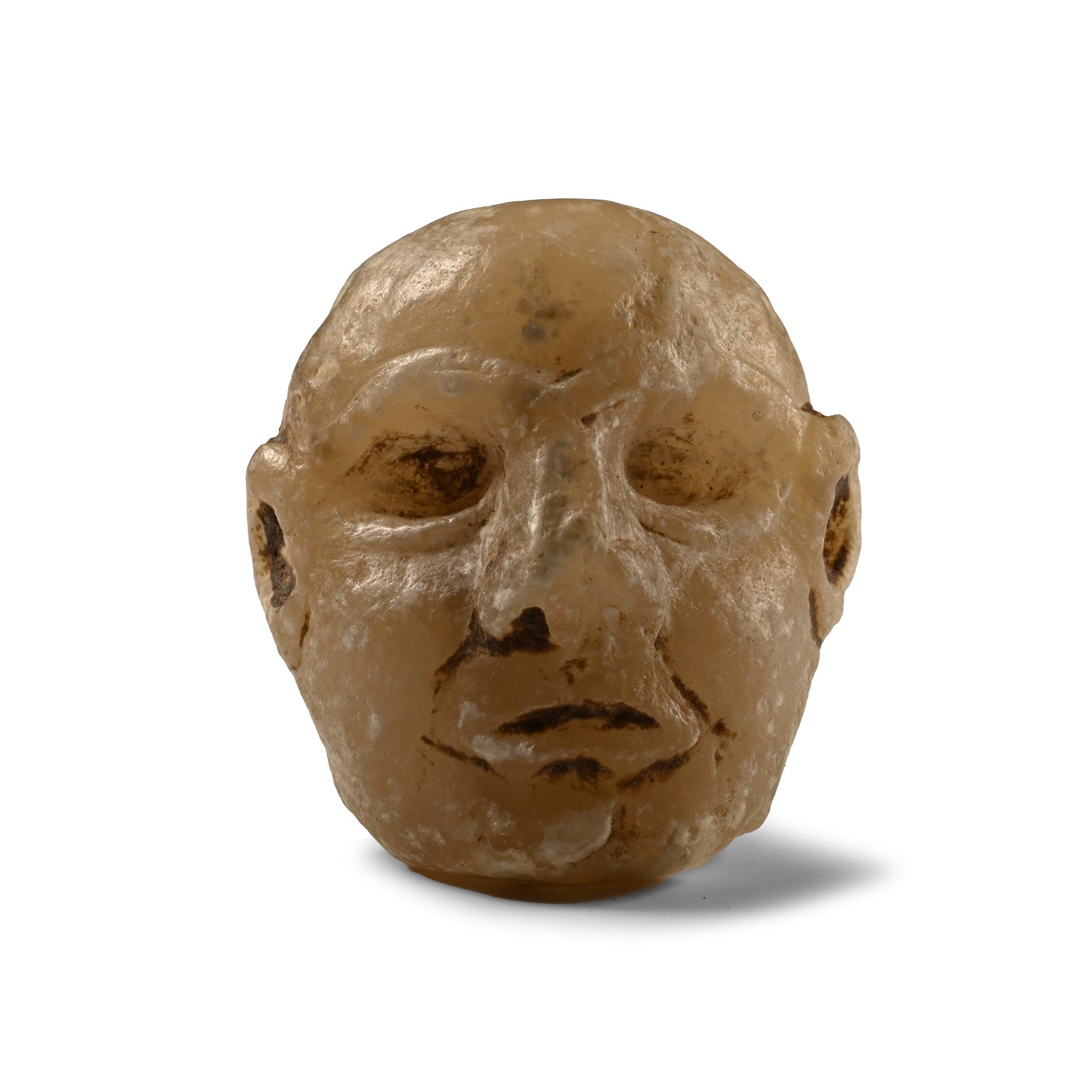
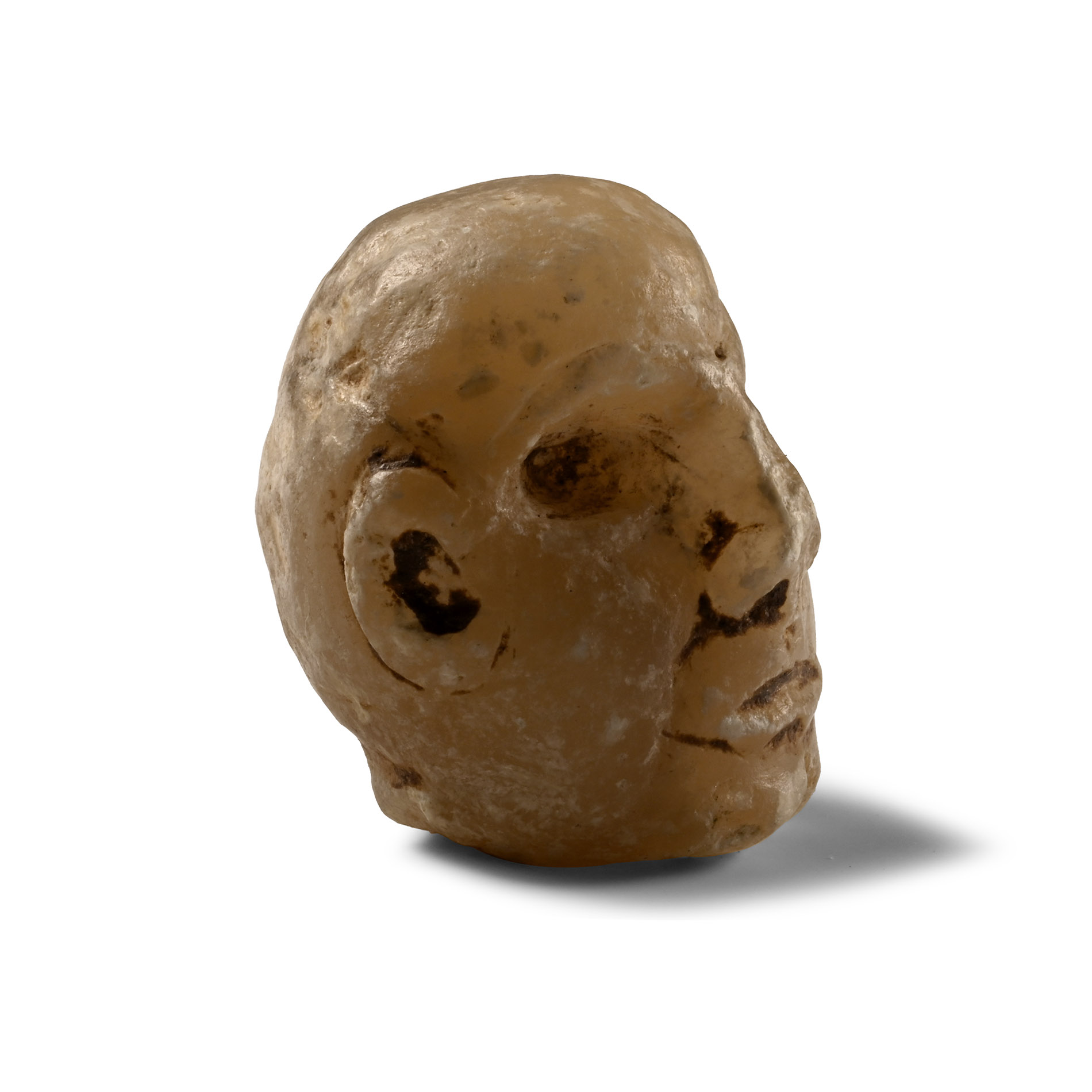
Sumerian Alabaster Head
3RD-2ND MILLENNIUM B.C.
1 1/4 in. (17.14 grams, 31 mm).
Exquisitely carved in a naturalistic manner with sculpted nose and ears, rounded cheeks, forehead and chin; hollowed eyes probably to accept inserts, delicate incisions enhancing the facial features and adding wrinkles to the face; a hollowed tubular shaft to the base of the head.
ProvenanceFrom a major London, UK, collection of Mr S.M., formed from 1970-1999.
Accompanied by a previous typed cataloguing card.
TimeLine Auctions follows a vetting process to ensure the authenticity and legality of all items, reinforcing our commitment to integrity and responsible trading. Each antiquity, antique, and coin lot undergoes thorough examination by a vetting committee of at least ten external specialists, professional trade association members, scientists, and archaeologists: Our Vetting Process
AUCTIONS:
TimeLine is a leading auction house specialising in antiquities, ancient art, collectables, natural history, coins, medals, and books. Our auctions offer museums, collectors, historians, and enthusiasts the opportunity to acquire unique and historically significant pieces.
-
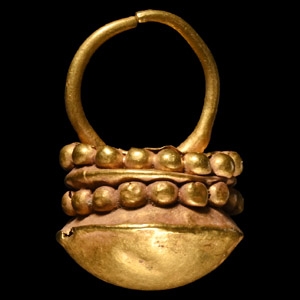
Western Asiatic Gold Bucket-Shaped Earring
Late 1st millennium B.C.Sold for (Inc. bp): £169
Sheet gold drum-shaped body with domed lower face, two rows of repoussé pellets, short loop. 3.1 grams, 23 mm
Private collection formed since the 1940s. UK art market. Property of an Essex, UK, gentleman. -
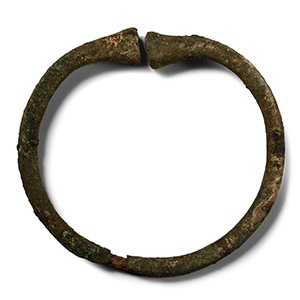
Western Asiatic Bronze Bracelet
Late Bronze Age, 1st millennium B.C.Sold for (Inc. bp): £13
Round-section shank with opposed trumpet-shaped finials. 37 grams, 72 mm
Acquired 1980-2015. Ex Abelita family collection. -
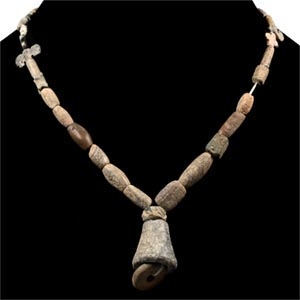
Western Asiatic Stone and Glass Bead Necklace String
1st millennium B.C. and laterSold for (Inc. bp): £52
Composed mainly of graduated cylindrical beads with some amuletic beads, central feature a large conical bead with a discoid bead below, restrung. 38 grams, 60 cm long
Ex property of a late Japanese collector, 1970-2000s.
